
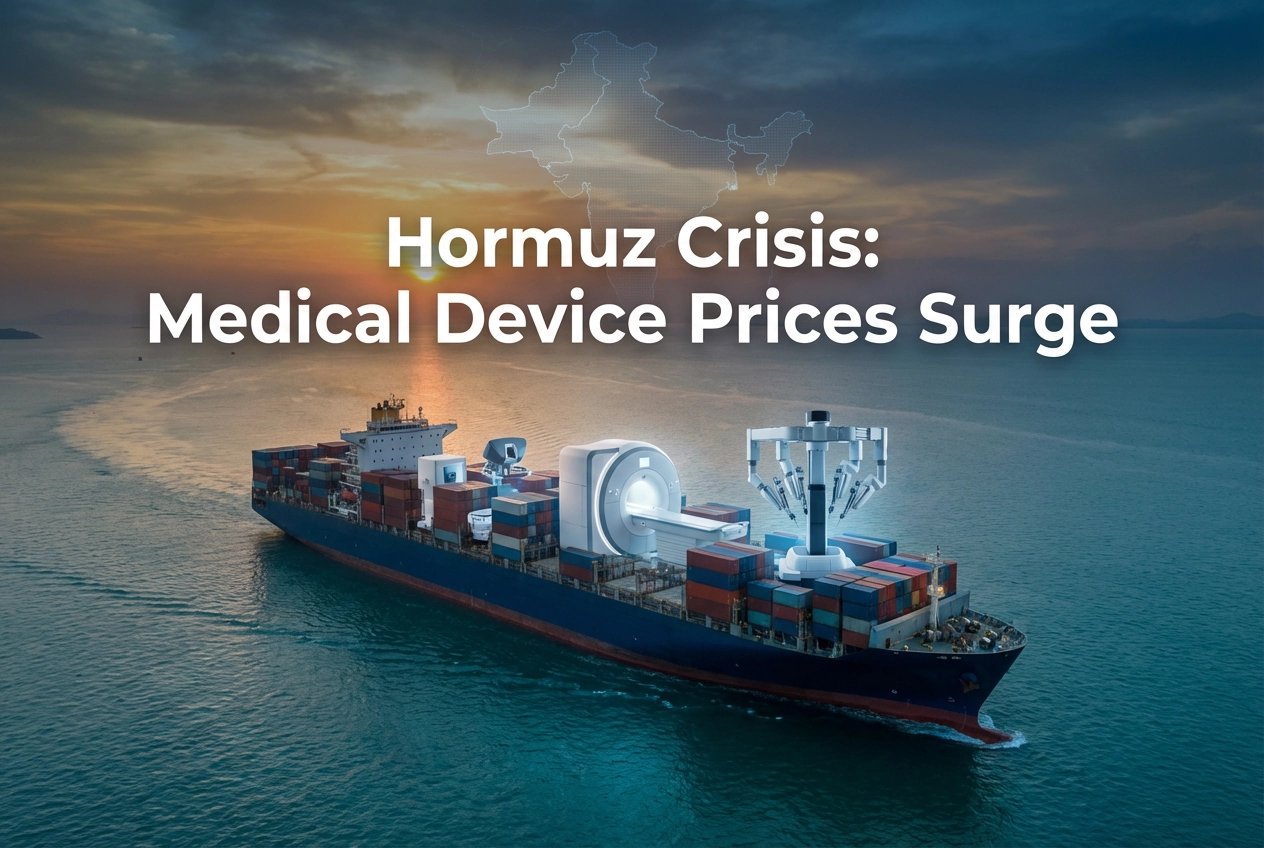
The medical device cost surge is currently impacting the healthcare landscape across India. Geopolitical tensions in the Strait of Hormuz have disrupted major logistics corridors. Consequently, the medical devices industry is flagging a sharp rise in raw material prices. Manufacturers warn of potential shortages if these disruptions persist for much longer.
Root Causes of the Medical Device Cost Surge
According to the Association of Indian Medical Device Industry, input costs for plastics have jumped by nearly 50 percent. Meanwhile, gas prices for power generation and process heating have doubled in recent weeks. These spikes significantly erode the thin margins on essential items like syringes and catheters. Furthermore, domestic polymer suppliers like Reliance Industries have implemented frequent and steep price hikes.
Since early March, prices for polypropylene and polyethylene have seen multiple upward revisions. Specifically, these increases have run into tens of thousands of rupees per metric tonne. Industry players describe this volatility as \”opportunistic price gouging\” that inflates healthcare costs. Because of these pressures, some manufacturers are relying on lower-cost inventory to cushion the immediate impact.
Supply Chain Bottlenecks and Manufacturing Strain
Short-term shipment delays of one to three weeks are currently manageable through inventory buffers. However, prolonged disruptions could eventually halt production and lead to critical hospital shortages. While some companies choose not to pass costs to patients immediately, this strategy remains unsustainable. Moreover, the sector is struggling with an inverted GST structure that creates significant working capital stress.
Manufacturers pay 18 percent tax on inputs but charge only 5 percent on finished products. This mismatch leads to a massive buildup of unutilised input tax credits. Therefore, industry leaders have urged the government to expedite GST refunds within seven days. Additionally, they are calling for immediate liquidity support to prevent the potential loss of over five lakh jobs. Professionals seeking to understand the financial and supply chain dynamics affecting equipment provision might find value in the Certification Course In General Practice, or explore broader management topics via Foundation Comprehensive Training For New Doctor.
Frequently Asked Questions
Q1: Why are medical device costs rising in India?
Costs are rising primarily due to geopolitical tensions in the Strait of Hormuz, which have spiked raw material and energy prices.
Q2: Will patients immediately face higher prices for syringes and catheters?
Some manufacturers are currently absorbing costs using existing inventory, but they may eventually pass these increases to patients if disruptions continue.
Q3: What is the impact of the inverted GST structure on device makers?
The structure forces manufacturers to pay higher taxes on raw materials than they collect on products, leading to locked-up capital and financial strain.
References
- Hormuz Tensions Push Device Costs Up 50%, Shortage Fears Rise – ETHealthworld
- Medical device makers face cost squeeze as gas curbs and polymer prices surge – Business Today
- India medical device shortage: Polypropylene price surge threatens syringes, IV bags amid Iran war – The Economic Times
Disclaimer: This article was automatically generated from publicly available sources and is provided for informational and educational purposes only. OC Academy does not exercise editorial control or claim authorship over this content. It is not a substitute for professional medical advice, diagnosis, or treatment. Always consult a qualified healthcare provider and refer to current local and national clinical guidelines.