Can Reprocessing Cut Angioplasty Costs Safely in India?
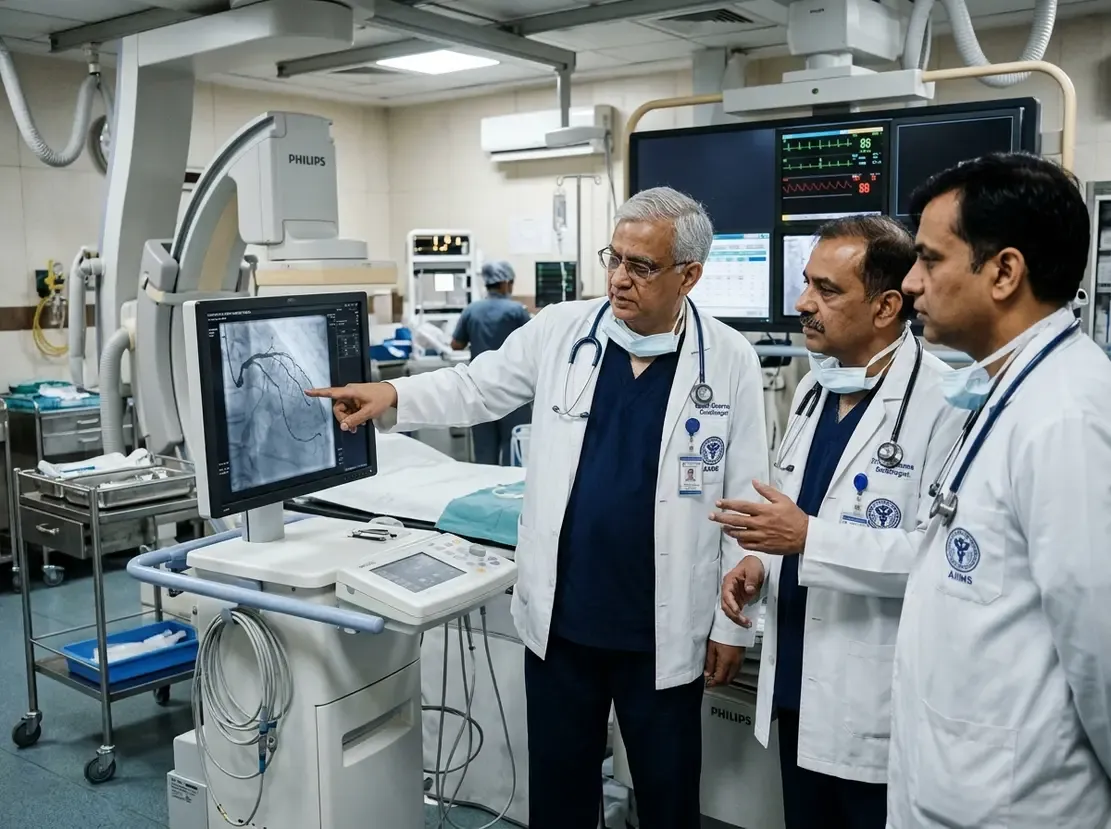
Advanced coronary interventions require sophisticated hardware, but rising procedural expenses pose significant barriers for patients. Recently, the Cardiological Society of India (CSI) Kerala Chapter called for a formal regulatory review of restrictions on medical device reprocessing. During their annual conference, clinicians highlighted that scientific reprocessing of select consumables could significantly reduce angioplasty expenses while maintaining strict patient safety standards.
Understanding the DGHS Ban on Single-Use Devices
In October 2026, the Directorate General of Health Services (DGHS) prohibited healthcare facilities from reusing single-use items. Specifically, the regulatory order warned that resterilising disposable devices introduces substantial clinical risks. Such hazards include cross-infection, mechanical fatigue, device malfunction, and unpredictable polymer breakdown. Furthermore, the directive highlighted ethical concerns regarding hospitals charging patients full retail costs for re-sterilised consumables.
Consequently, state authorities received instructions to enforce strict compliance under the Medical Devices Rules. The circular warned clinicians and healthcare administrators against reusing hardware like cardiac diagnostic catheters and guidewires. However, this absolute restriction has created acute financial pressures for tertiary catheterisation laboratories across India.
Economic Realities and Angioplasty Costs in India
Modern percutaneous coronary interventions (PCI) increasingly demand advanced tools for complex anatomical lesions. For instance, cardiologists routinely deploy intravascular imaging catheters, specialised microcatheters, and drug-coated balloons to optimise clinical outcomes. These precision devices substantially increase total procedural expenses. Therefore, healthcare providers face difficult economic hurdles when performing complex revascularisation.
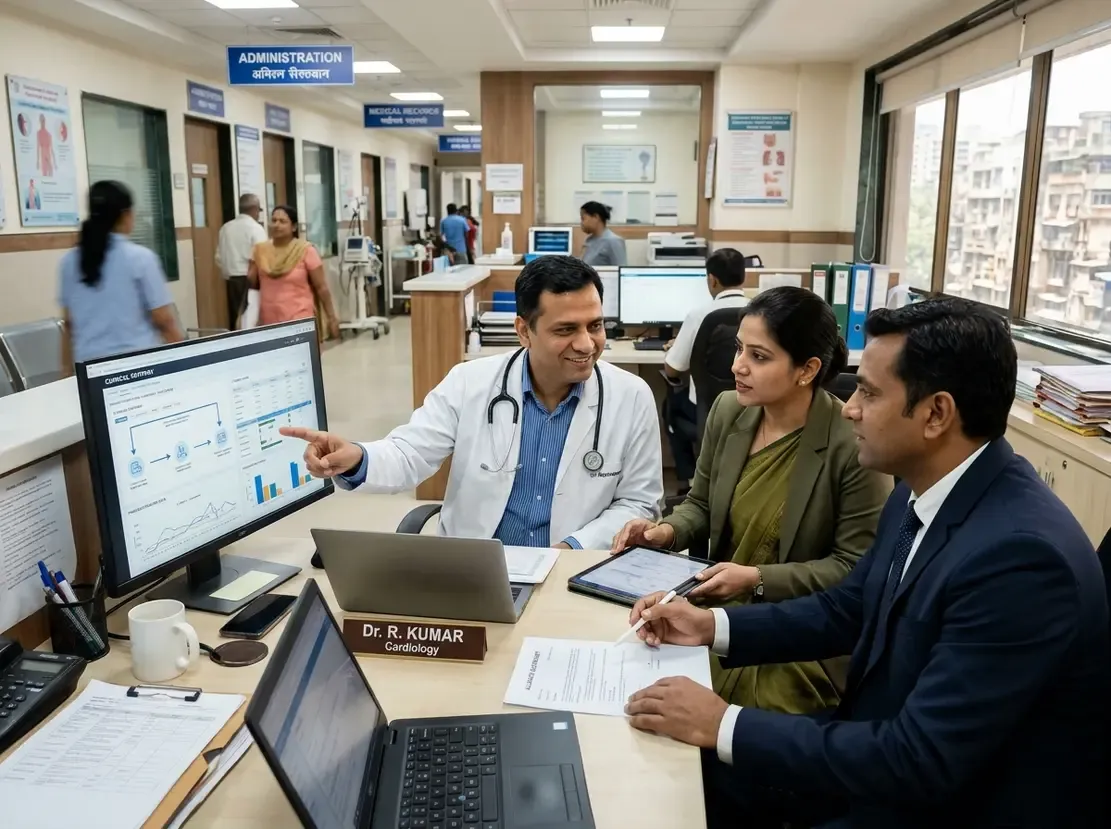
In addition, public insurance reimbursement packages often fall well short of actual consumable expenses. Dr Prathap Kumar N noted that government-backed health insurance schemes rarely cover high-end multi-device interventions adequately. As a result, tertiary cardiac centres face growing deficits when treating socioeconomically vulnerable populations. Clinicians argue that without flexible pathways, poorer patients may lose access to cutting-edge cardiovascular interventions entirely.
Evaluating Medical Device Reprocessing for Interventional Cardiology
Rather than adopting blanket bans, the Cardiological Society of India suggests establishing scientific reprocessing frameworks. Several Western healthcare jurisdictions regulate third-party reprocessing under rigorous quality management guidelines. For example, validated clearing protocols, mechanical stress testing, and functional assessments ensure complete structural integrity before reuse.
Kerala chapter cardiologists emphasise that patient safety must remain paramount in any proposed policy update. Thus, doctors advocate for multi-stakeholder consultations involving interventional cardiologists, microbiologists, and biomedical engineers. Together, regulatory authorities and clinicians can identify select low-risk devices—such as diagnostic angiography catheters—that withstand validated sterilisation cycles safely. Ultimately, establishing evidence-based standards would safeguard clinical outcomes while extending affordable care to thousands of deserving cardiac patients.
Frequently Asked Questions
Q1: Why did the DGHS issue a strict ban on reusing single-use medical devices?
The DGHS prohibited single-use item reuse because improper cleaning and resterilisation can lead to severe bloodstream infections, endotoxin exposure, and device failure during invasive procedures. Furthermore, regulatory inspections uncovered cases where facilities charged patients the full price for reprocessed consumables.
Q2: Which cardiology consumables do clinicians propose for regulated reprocessing?
Cardiologists have suggested evaluating select non-complex, durable diagnostic tools, including diagnostic coronary catheters, electrophysiology diagnostic catheters, and certain guidewires. In contrast, complex implantable items such as drug-eluting stents and balloon catheters remain strictly single-use devices.
Q3: How does the ban on reprocessing affect angioplasty treatment costs in India?
The ban compels healthcare facilities to bill patients for every consumable used during angioplasty. Because public health insurance reimbursements often fail to match the full retail cost of multiple single-use devices, out-of-pocket expenses for families rise significantly.
For medical professionals looking to enhance their expertise in managing heart conditions, exploring specialized cardiac care certifications can provide valuable clinical insights.
References
- Cardiologists seek review of curbs on reprocessing select medical devices to cutangioplasty costs - ETHealthworld
- Directorate General of Health Services (DGHS). Directive on Reuse of Single-Use Medical Devices and Disposable Surgical Items. Ministry of Health and Family Welfare, Government of India; October 2026.
- Cardiological Society of India (CSI) Kerala Chapter. Scientific Proceedings and Press Statement on Interventional Cardiology Costs. November 2026.