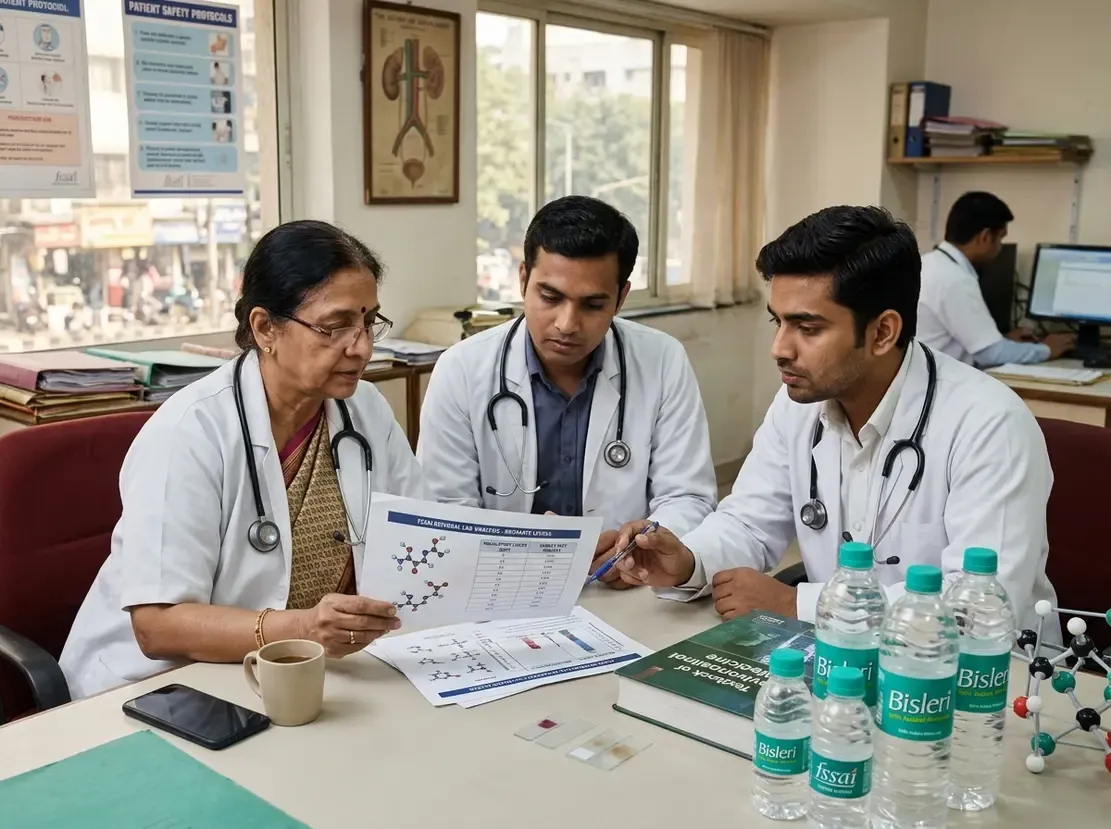
Russia and India to Share Medical Tech and AI Solutions

Healthcare authorities in Moscow have advocated for a robust bilateral medical technology exchange between Russia and India. Specifically, Nikolay Vladimirovich Rubtsov, Deputy Head of the Department of Health of the City of Moscow, emphasized the urgent need for joint medical initiatives. Both nations confront substantial public health burdens in high-density urban centres like Moscow and New Delhi. Consequently, structured cooperation can help medical professionals share best clinical practices and advance digital health solutions.
Opportunities in Medical Technology Exchange and AI
Both Russia and India manage large, diverse patient populations requiring sophisticated healthcare delivery models. Therefore, integrating artificial intelligence into clinical diagnostics offers immediate operational benefits for hospital networks. For instance, algorithmic triage and automated medical imaging accelerate clinical decision-making during acute emergencies, an essential capability for practitioners working in emergency medicine. Furthermore, shared digital platforms can enable cross-border medical analytics without compromising sensitive patient records. As a result, healthcare providers in both countries can evaluate real-world clinical datasets more efficiently. In addition, Russian software developers and Indian clinical researchers can partner to build predictive diagnostic tools. These digital health systems will ultimately enhance patient outcomes across busy tertiary care facilities.
Addressing Urban Healthcare Demands in Delhi and Moscow
Megacities such as Delhi and Moscow present unique epidemiological and administrative challenges for healthcare administrators. In particular, dense urban settings create massive patient volumes that frequently strain existing emergency infrastructure. Similarly, lifestyle changes in these metropolitan populations have accelerated the prevalence of chronic non-communicable diseases. To counter these pressures, municipal health departments must deploy scalable clinical protocols and modern health information systems. Moreover, direct peer-to-peer dialogues between Indian and Russian clinicians will facilitate the cross-pollination of institutional knowledge. Consequently, doctors can adopt refined triage protocols and hospital management techniques tested in high-volume centres. This collaborative approach ensures that both urban medical systems build resilience against emerging public health demands.
Strengthening Bilateral Physician Collaborations
Diplomatic momentum continues to support deeper bilateral engagements between New Delhi and Moscow. Recently, high-level diplomatic discussions highlighted expanding bilateral cooperation across strategic civilian domains. However, translating high-level policy discussions into actionable clinical benefits requires active participation from frontline physicians. Medical associations from both nations should therefore establish exchange fellowships, joint continuing medical education sessions, and multicentric observational studies. Furthermore, bilateral clinical working groups can standardize guidelines for deploying machine learning algorithms in community healthcare. In this manner, Indian doctors can access advanced computational tools while sharing their extensive clinical management expertise, which is vital when delivering comprehensive primary care. Ultimately, such cooperative frameworks empower healthcare professionals to deliver higher quality patient care across diverse demographic landscapes.
Frequently Asked Questions
Q1: What are the primary focus areas of the proposed Russia-India healthcare cooperation?
The bilateral initiative primarily focuses on exchanging medical technologies, artificial intelligence systems, and clinical best practices. Additionally, it aims to enhance municipal health management and foster professional connections between doctors in both nations.
Q2: How will artificial intelligence exchange benefit Indian healthcare professionals?
Collaboration on AI systems enables Indian clinicians to implement advanced diagnostic algorithms and predictive analytics. Consequently, hospitals can accelerate triage, improve diagnostic accuracy, and optimize operational workflows in high-volume clinical settings.
Q3: Why are Moscow and Delhi serving as key models for this medical partnership?
Both Moscow and Delhi are massive metropolitan centres facing comparable public health burdens and high patient loads. Therefore, sharing municipal health strategies and digital hospital information systems offers relevant, practical solutions for managing urban disease demographics.
References
- Russia, India should collaborate in healthcare, exchange medical technologiesand best practices: Moscow official - ETHealthworld
- Russia & India Explore Partnerships in Healthcare & Medical Technologies - Digital Health News
- Russia Seeks Stronger Healthcare Partnership With India, Proposes Exchange of AI and Medical Technologies - Goemkarponn - Goa News