
The **Meghalaya Health Survey** is set to revolutionize how the state identifies and addresses population health challenges. Recently, the State Health Systems Resource Centre (SHSRC) announced this annual initiative to generate granular, district-level insights. Consequently, local administrators can now utilize data-driven strategies to improve service utilization across the region. This survey, expected to conclude by January 2027, aims to bridge critical information gaps that have historically hindered evidence-based decision-making.
Understanding the Meghalaya Health Survey Goals
The primary objective of the **Meghalaya Health Survey** is to create comprehensive district health profiles. These profiles will include a unique population health and wellness score. By identifying specific health trends, the state can prioritize interventions where they are most needed. Furthermore, the SHSRC has collaborated with Oxford Policy Management India to ensure the highest quality of data collection. This partnership utilizes a quality-cum-cost based selection process to maintain rigorous standards.
Additionally, the initiative builds upon the previously published Meghalaya Health Atlas. This visual compilation already highlights key indicators across various population groups. Therefore, the new survey data will complement existing frameworks to enhance problem-solving at the local level. District health authorities believe these findings will play a pivotal role in tailoring services to region-specific concerns, which is essential for those pursuing a career in family medicine.
Digital Health Records and EHR Implementation
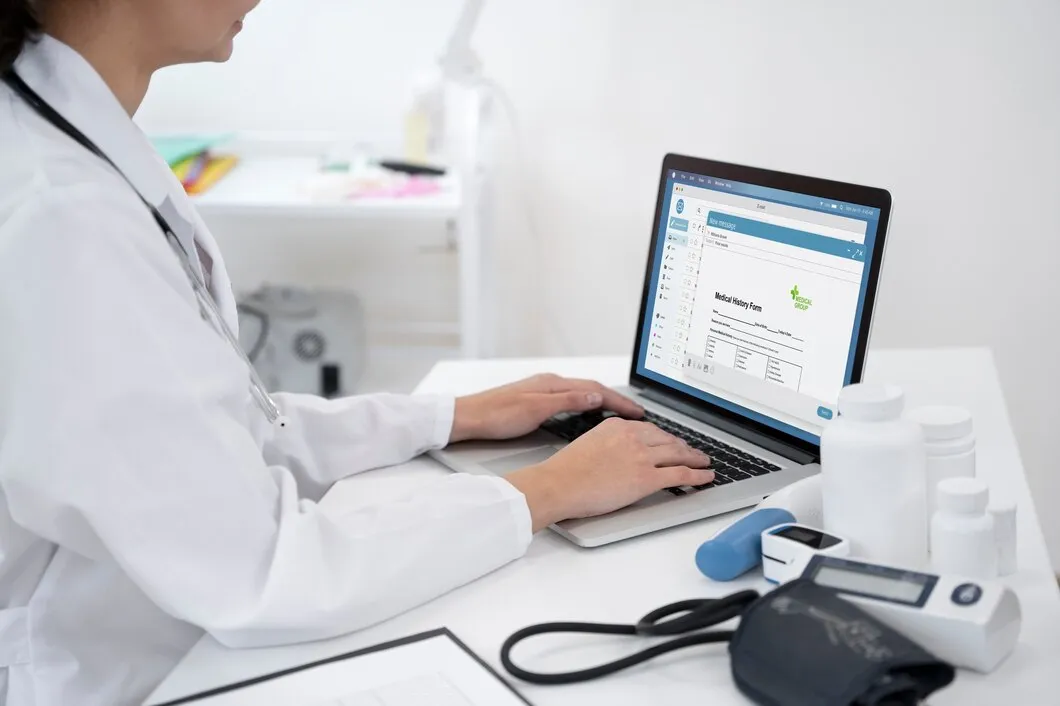
Beyond the survey, Meghalaya is making significant strides in digital infrastructure. The SHSRC has launched a pilot project for Electronic Health Records (EHR) to address fragmented patient data. Currently, this system is active at the Mawphlang CHC, Pomlum PHC, and Ummulong CHC. The system allows healthcare providers to access unified patient histories in real time. As a result, continuity of care improves significantly for patients moving between facilities.
Interestingly, interest in this digital shift is growing rapidly. Already, 28 additional health facilities have expressed a desire to adopt the EHR system. This expansion suggests a strong consensus among medical professionals regarding the benefits of digital records. Moreover, integrated data helps clinicians make more informed decisions during point-of-care interactions, a skill central to effective emergency medical practice.
Frequently Asked Questions
Q1: When will the results of the health survey be available?
The first comprehensive cycle of the survey is expected to be completed by January 2027, providing detailed district-level health insights.
Q2: Where is the EHR pilot project currently active?
The pilot is currently operational at the Mawphlang Community Health Centre, Pomlum Primary Health Centre, and Ummulong Community Health Centre.
Q3: Who is providing technical support for this survey?
The SHSRC has partnered with Oxford Policy Management India to implement and manage the survey’s technical framework.
References
- Meghalaya to launch annual data-driven health survey – ETHealthworld
- Meghalaya Health Atlas: Mapping State Health Indicators – hubnetwork.in
- Department of Health & Family Welfare – Government of Meghalaya Portal
- State Health Systems Resource Centre (SHSRC) Technical Reports
Disclaimer: This article was automatically generated from publicly available sources and is provided for informational and educational purposes only. OC Academy does not exercise editorial control or claim authorship over this content. It is not a substitute for professional medical advice, diagnosis, or treatment. Always consult a qualified healthcare provider and refer to current local and national clinical guidelines.