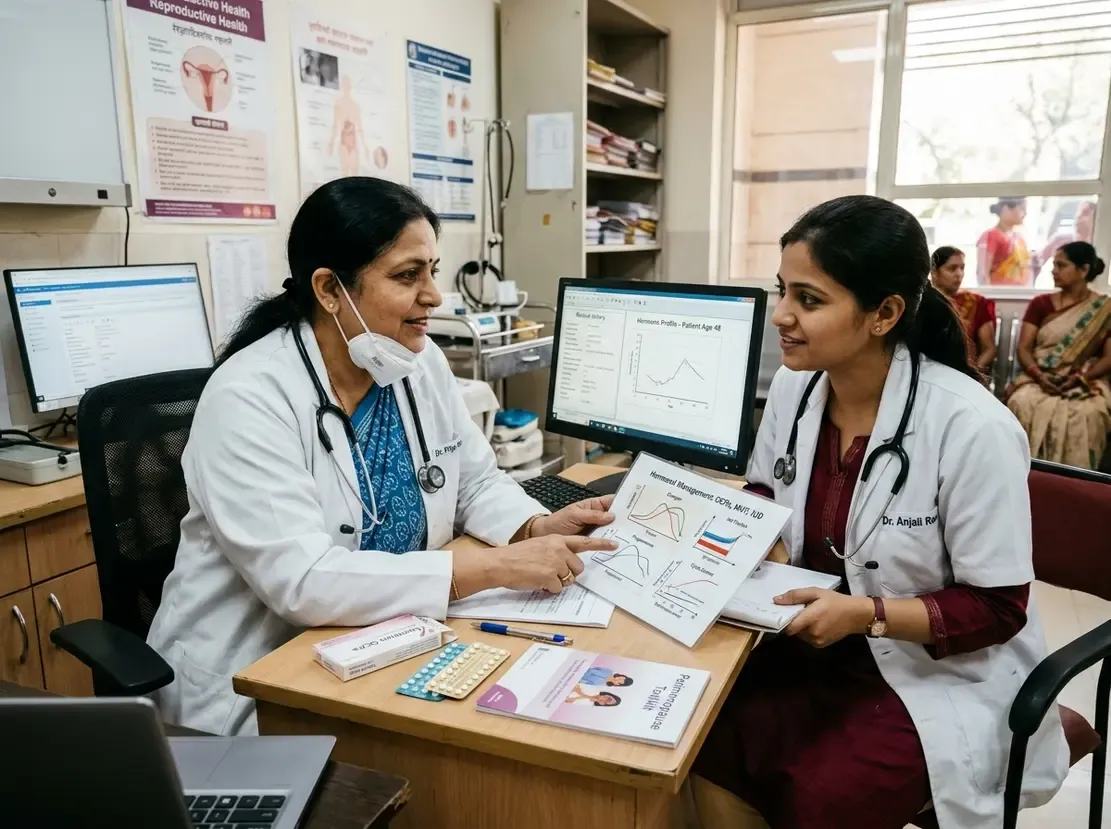
Is Hormone Therapy Safe After Preventive Ovary Removal?
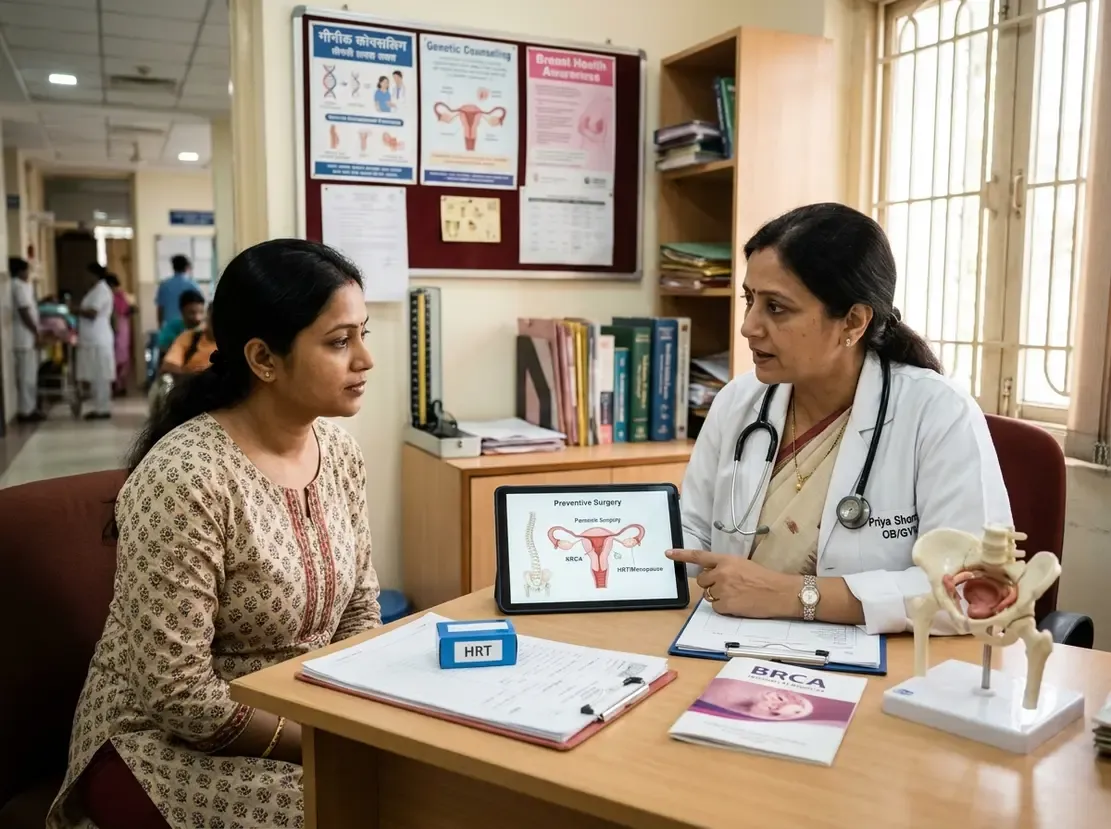
Women carrying pathogenic germline BRCA mutations face substantial lifetime risks of ovarian and fallopian tube malignancies. Consequently, clinical guidelines recommend risk-reducing salpingo-oophorectomy (RRSO) between ages 35 and 45. While this prophylactic surgery saves lives, it induces immediate surgical menopause. Early surgical menopause triggers severe vasomotor symptoms, rapid bone loss, and increased cardiovascular risks. Fortunately, menopausal hormone therapy remains the most effective intervention to mitigate these systemic consequences.
The Challenge of Suboptimal Hormone Therapy Utilization
Despite clear indications, clinicians observe suboptimal prescription rates of post-surgical hormonal replacement. Furthermore, patient adherence remains low among high-risk women. Misinformation regarding subsequent breast cancer risk creates widespread fear among both patients and physicians. However, abrupt estrogen deprivation severely compromises long-term cardiovascular, cognitive, and skeletal health. When patients avoid therapy, their quality of life drops drastically. Therefore, physicians must provide accurate, evidence-based counseling regarding actual oncologic risks.
Evidence on Menopausal Hormone Therapy and Breast Cancer Risk
Extensive clinical studies have evaluated the oncologic safety of post-surgical hormone replacement. Specifically, observational data show that short-term estrogen therapy does not significantly increase breast cancer incidence in unaffected BRCA carriers. In fact, estrogen-only regimens show an exceptionally favorable safety profile in women after hysterectomy. Moreover, international consensus guidelines endorse hormone therapy up to the natural age of menopause, typically around 50 years. Clinicians must distinguish between physiological replacement and postmenopausal supplementation. Thus, replacing missing hormones until natural menopause preserves longevity without elevating baseline genetic risk.
Novel Regimens and Emerging Formulations
Researchers are currently exploring newer therapeutic combinations to optimize patient safety. For example, conjugated estrogen combined with the selective estrogen receptor modulator bazedoxifene represents a promising advancement. This pairing effectively relieves vasomotor symptoms and preserves bone mineral density. Additionally, bazedoxifene exhibits anti-estrogenic actions on breast tissue, potentially mitigating oncologic risks. If clinical trials confirm these benefits, this formulation could transform menopausal management for hereditary breast cancer families. Ultimately, personalized endocrine care will help high-risk women achieve better quality of life.
Frequently Asked Questions
Q1: Does menopausal hormone therapy increase breast cancer risk after RRSO?
Current clinical evidence demonstrates that short-term hormone therapy, especially estrogen-only formulations, does not significantly increase breast cancer risk in unaffected BRCA mutation carriers. Consequently, expert consensus supports therapy until the natural age of menopause.
Q2: How long should high-risk women take hormone therapy following surgical menopause?
Physicians generally advise patients to continue hormone therapy until the average age of natural menopause, approximately 50 to 51 years. Afterward, clinicians should reassess risks and gradually taper treatment based on individual needs.
Q3: Why are bazedoxifene combinations being investigated in high-risk women?
Conjugated estrogens paired with bazedoxifene protect bone health and relieve vasomotor symptoms without requiring progestin. Furthermore, bazedoxifene acts as a selective estrogen receptor modulator that may inhibit breast tissue proliferation.
References
- Wong SM et al. Rethinking Menopausal Hormone Therapy After Risk-Reducing Salpingo-Oophorectomy in Women at High Risk for Breast Cancer. Obstet Gynecol. 2026 Nov 01. doi: 10.1097/AOG.0000000000006429. PMID: 42743437.
- Nebgen DR, Domchek SM, Kotsopoulos J, et al. Care after premenopausal risk-reducing salpingo-oophorectomy in high-risk women: Scoping review and international consensus recommendations. BJOG. 2023;130(12):1437-1450. doi: 10.1111/1471-0528.17519.
- Gordhandas S, Norquist BM, Pennington KP, et al. Hormone replacement therapy after risk reducing salpingo-oophorectomy in patients with BRCA1 or BRCA2 mutations; a systematic review of risks and benefits. Gynecol Oncol. 2019;153(1):192-200. doi: 10.1016/j.ygyno.2018.12.014.