Differentiating Vulvar Dermatoses from GSM in Practice
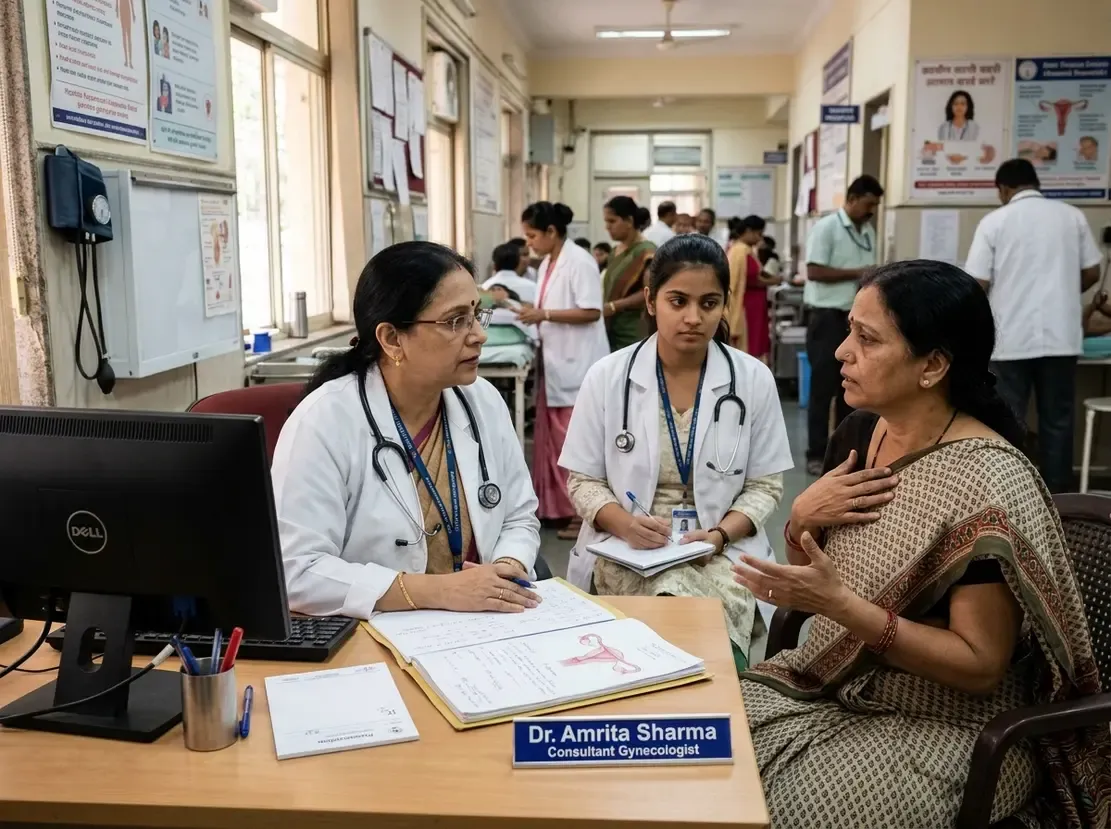
Genitourinary syndrome of menopause affects millions of women worldwide. Consequently, clinicians frequently encounter patients with vulvar burning, dyspareunia, and irritation. However, diverse vulvar dermatoses present with overlapping symptoms that mimic estrogen deficiency. Therefore, distinguishing these distinct pathologies remains critical for successful clinical care. An inaccurate assessment often delays targeted therapy and causes prolonged patient suffering.
Clinical Features and Morphologic Overlap
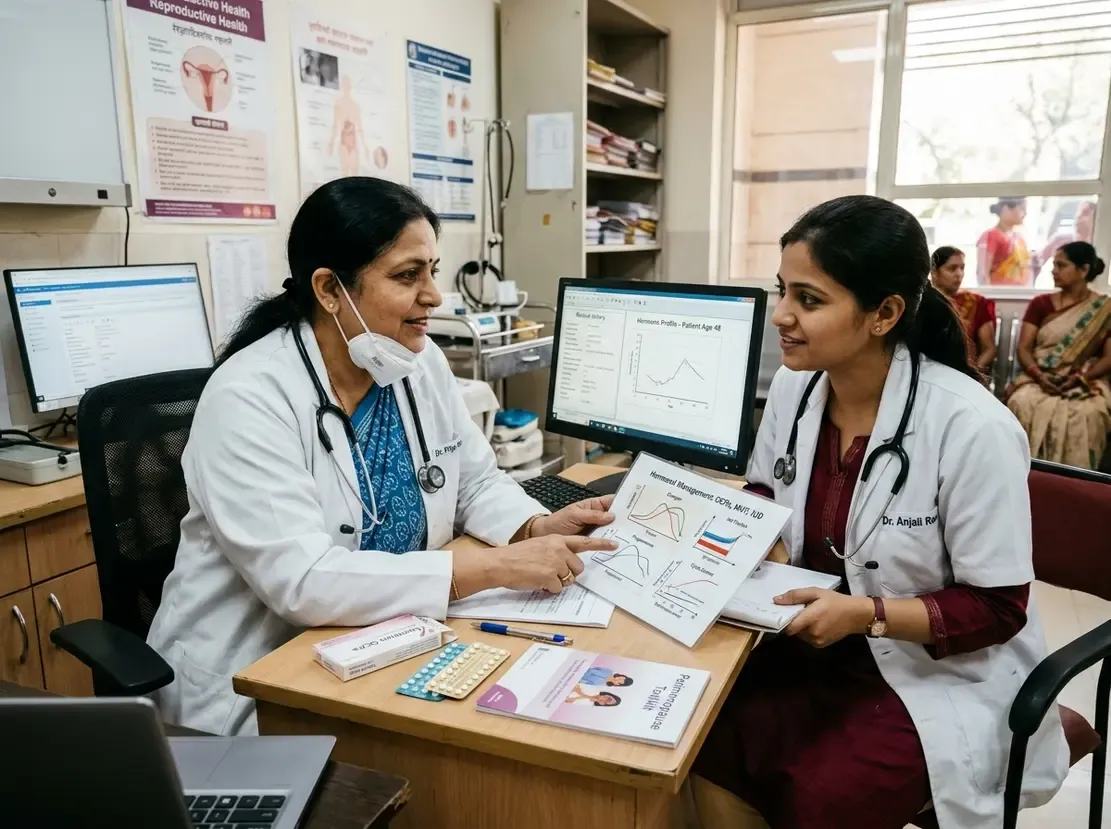
Genitourinary syndrome of menopause primarily stems from declining systemic estrogen levels. As a result, the vaginal and vulvar mucosa exhibits diffuse pallor, epithelial thinning, and loss of rugae. Patients typically report vaginal dryness, introital burning, dysuria, and severe dyspareunia. In contrast, inflammatory conditions present with distinct structural and mucosal changes. For example, lichen sclerosus causes porcelain-white plaques, ecchymosis, and loss of vulvar architecture. Furthermore, lichen planus frequently manifests as erythematous erosions with Wickham striae. Therefore, clinicians must carefully inspect lesion morphology across the entire anogenital region. Additionally, providers should examine extragenital mucocutaneous sites to identify systemic disease patterns.
Differentiating Vulvar Dermatoses in Clinical Practice
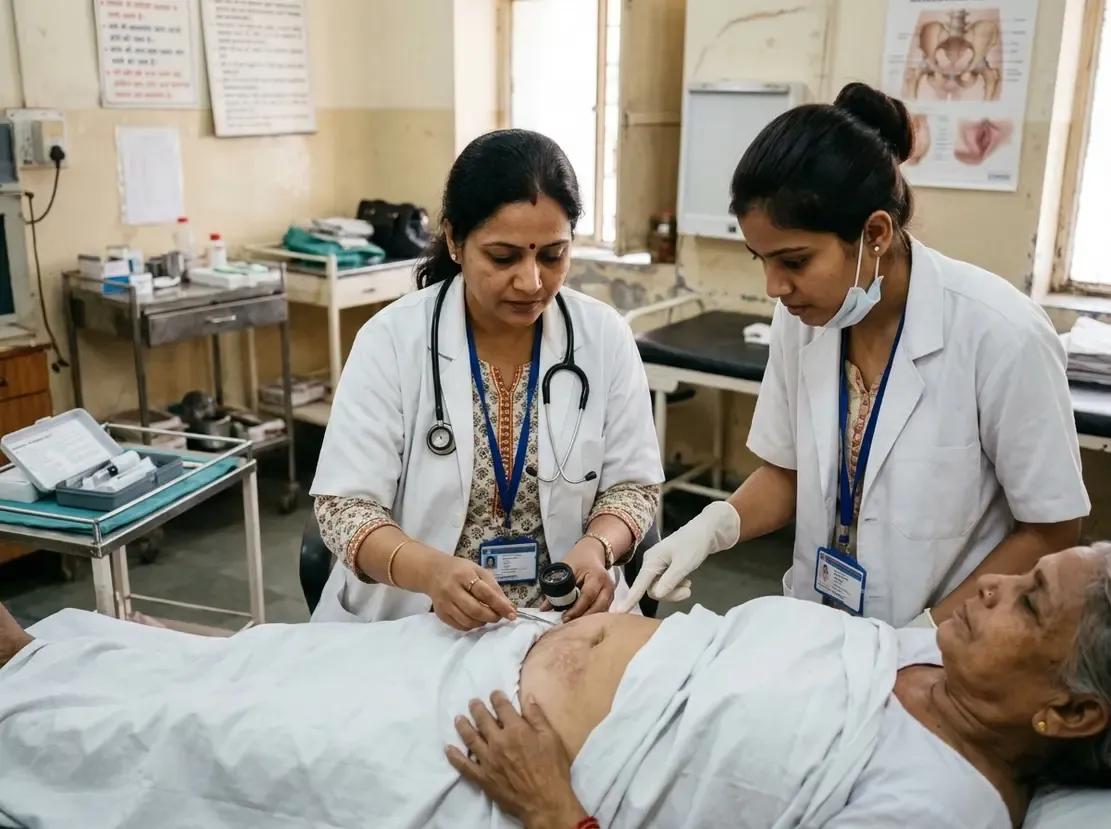
A structured diagnostic approach prevents dangerous diagnostic delays. Initially, clinicians must take a detailed dermatologic and gynecologic history. Specifically, providers should question patients about previous topical therapies and response rates. However, if symptoms fail to resolve with localized estrogen, clinicians must reconsider the initial working diagnosis. Moreover, clinicians should perform a gentle physical examination with optimal lighting. Notably, persistent focal lesions or architectural scarring demand immediate investigation. In such scenarios, a 3-mm or 4-mm punch biopsy provides definitive histological differentiation. Consequently, early tissue sampling protects patients from progressive scarring and neoplastic transformation.
Indications for Specialist Referral
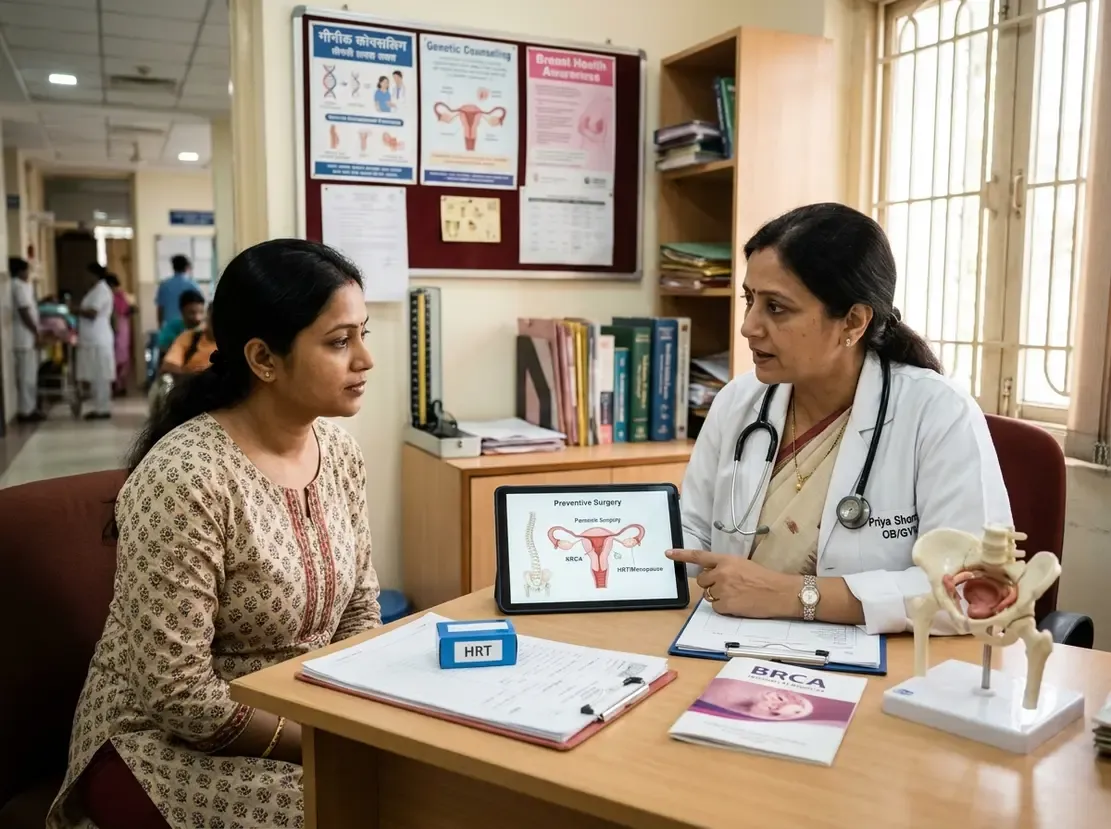
Primary clinicians can manage uncomplicated genitourinary syndrome with non-hormonal lubricants and low-dose vaginal estrogen. Nevertheless, complex vulvar dermatoses frequently require multidisciplinary intervention. Hence, clinicians should refer patients to dermatology or vulvar specialists when diagnostic uncertainty persists. Furthermore, rapid referral is vital if patients exhibit structural scarring, clitoral phimosis, or introital resorption. In addition, patients with refractory symptoms despite adherent therapy require specialized care. For instance, systemic therapies like oral immunosuppressants necessitate close specialty monitoring. Ultimately, prompt collaborative care minimizes long-term anatomical distortion and preserves sexual function.
Frequently Asked Questions
Q1: How does genitourinary syndrome of menopause differ visually from lichen sclerosus?
Genitourinary syndrome typically shows diffuse pallor, smooth mucosa, and thinning without architectural destruction. In contrast, lichen sclerosus features porcelain-white plaques, structural resorption, and purpura.
Q2: When should a clinician perform a vulvar biopsy?
Clinicians should perform a biopsy when lesions appear atypical, pigment changes occur, or standard therapy fails. Moreover, biopsy is essential whenever providers observe progressive tissue scarring.
Q3: Can a patient experience genitourinary syndrome of menopause and a vulvar dermatosis concurrently?
Yes, postmenopausal women frequently develop both conditions simultaneously. Therefore, clinicians must treat mucosal atrophy with estrogen while addressing active dermatoses with topical corticosteroids.
References
- Negris O et al. A Practical Management Approach to Vulvar Dermatoses and Genitourinary Syndrome of Menopause. Obstet Gynecol. 2026 Nov 01. doi: 10.1097/AOG.0000000000006422. PMID: 42691326.
- American Urological Association, Society of Urodynamics, Female Pelvic Medicine & Urogenital Reconstruction, American Urogynecologic Society. Genitourinary Syndrome of Menopause: AUA/SUFU/AUGS Guideline. J Urol. 2025;213(5):675-684.
- The 2020 Genitourinary Syndrome of Menopause Position Statement of The North American Menopause Society. Menopause. 2020;27(9):976-992.