Why Menopause Hormone Therapy Is Seeing a Major Resurgence
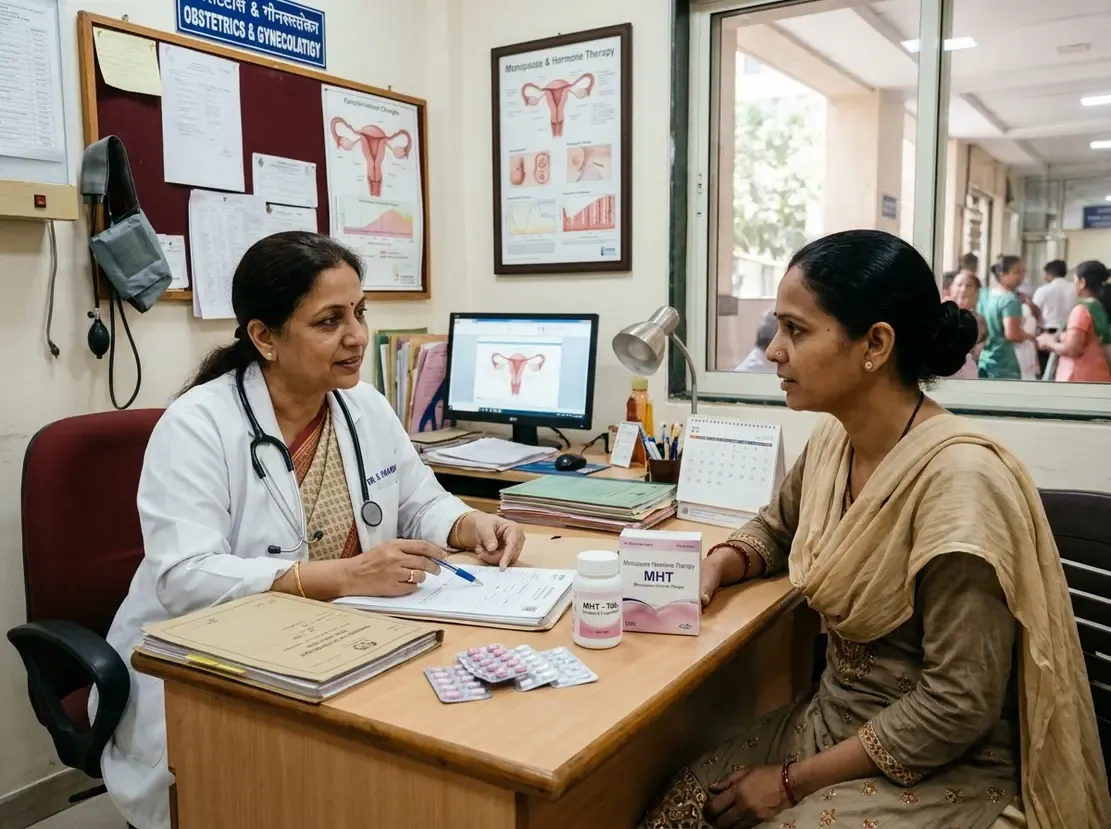
Clinicians are witnessing a major shift in prescribing patterns for midlife women. For years, widespread concerns sharply limited the clinical uptake of menopause hormone therapy. However, recent large-scale registry data reveal a steady rise in prescription rates across diverse clinical practices. Consequently, physicians must re-examine the evolving evidence surrounding risks, benefits, and optimal treatment timing. Today, modern clinical practice emphasizes tailored therapy over generalized avoidance.
Shifting Trends in Menopause Hormone Therapy
Recent investigations indicate that menopause hormone therapy prescribing is regaining clinical momentum. Historically, initial interpretations of the Women's Health Initiative study caused an abrupt drop in hormone therapy usage. However, subsequent stratified analyses clarified that younger, newly menopausal women face substantially lower cardiovascular risks. Furthermore, newer studies confirm that symptomatic women initiate treatment earlier during their menopausal transition. Therefore, healthcare providers increasingly recommend therapy for moderate to severe vasomotor symptoms. Additionally, updated consensus guidelines encourage clinicians to evaluate each patient's individual risk-benefit profile carefully through comprehensive obstetrics and gynaecology training.
Modern Formulations and Safer Delivery Routes
Therapeutic choices have also advanced significantly beyond traditional oral formulations. Specifically, clinicians now preferentially select transdermal estradiol patches and gels for many patients. Because transdermal estradiol bypasses first-pass hepatic metabolism, it minimizes venous thromboembolism risks. Moreover, micronized progesterone offers a safer endometrial protection profile compared to older synthetic progestins. Consequently, patients achieve effective symptom relief with a substantially improved safety margin. Clinicians must nevertheless evaluate contraindications such as active liver disease or unexplained uterine bleeding before initiating care.
Clinical Takeaways for Indian Physicians
In India, women frequently achieve natural menopause at an earlier average age than Western populations. Therefore, untreated vasomotor and genitourinary symptoms can profoundly diminish quality of life for decades. Additionally, Indian women face heightened lifetime risks of accelerated osteoporotic fractures and cardiometabolic disorders. Thus, timely intervention during the critical window under age sixty offers vital bone and metabolic benefits. Furthermore, physicians should conduct comprehensive baseline evaluations, including blood pressure monitoring and lipid profiling. Regular annual reviews ensure that patients receive the lowest effective dose for the appropriate clinical duration, an approach heavily emphasized in advanced womens healthity education.
Frequently Asked Questions
Q1: What is driving the recent increase in menopause hormone therapy prescriptions?
Greater clinical awareness and updated safety analyses have reassured clinicians. Furthermore, modern consensus guidelines emphasize starting therapy within ten years of menopause onset to maximize benefits.
Q2: Why are transdermal estrogen regimens preferred over oral tablets?
Transdermal estradiol avoids hepatic first-pass metabolism. Consequently, it demonstrates a lower risk of venous thromboembolism and stroke compared to traditional oral estrogens.
Q3: Which patients represent the ideal candidates for initiating hormone therapy?
Healthy symptomatic women under sixty years of age or within ten years of menopause represent optimal candidates. Therefore, personalized assessment ensures maximal relief with minimal vascular risk.
References
- Sarnak DO et al. Trends in Menopause Hormone Therapy. JAMA. 2026 Nov 19. doi: 10.1001/jama.2026.22619. PMID: 43056087.
- The 2022 Hormone Therapy Position Statement of The North American Menopause Society. Menopause. 2022;29(7):767-794. doi: 10.1097/GME.0000000000002028.
- Meeta M, et al. Clinical Practice Guidelines on Menopause: An Executive Summary and Recommendations: The Indian Menopause Society 2019-2020. J Midlife Health. 2020;11(2):55-76. doi: 10.4103/jmh.JMH_139_20.