
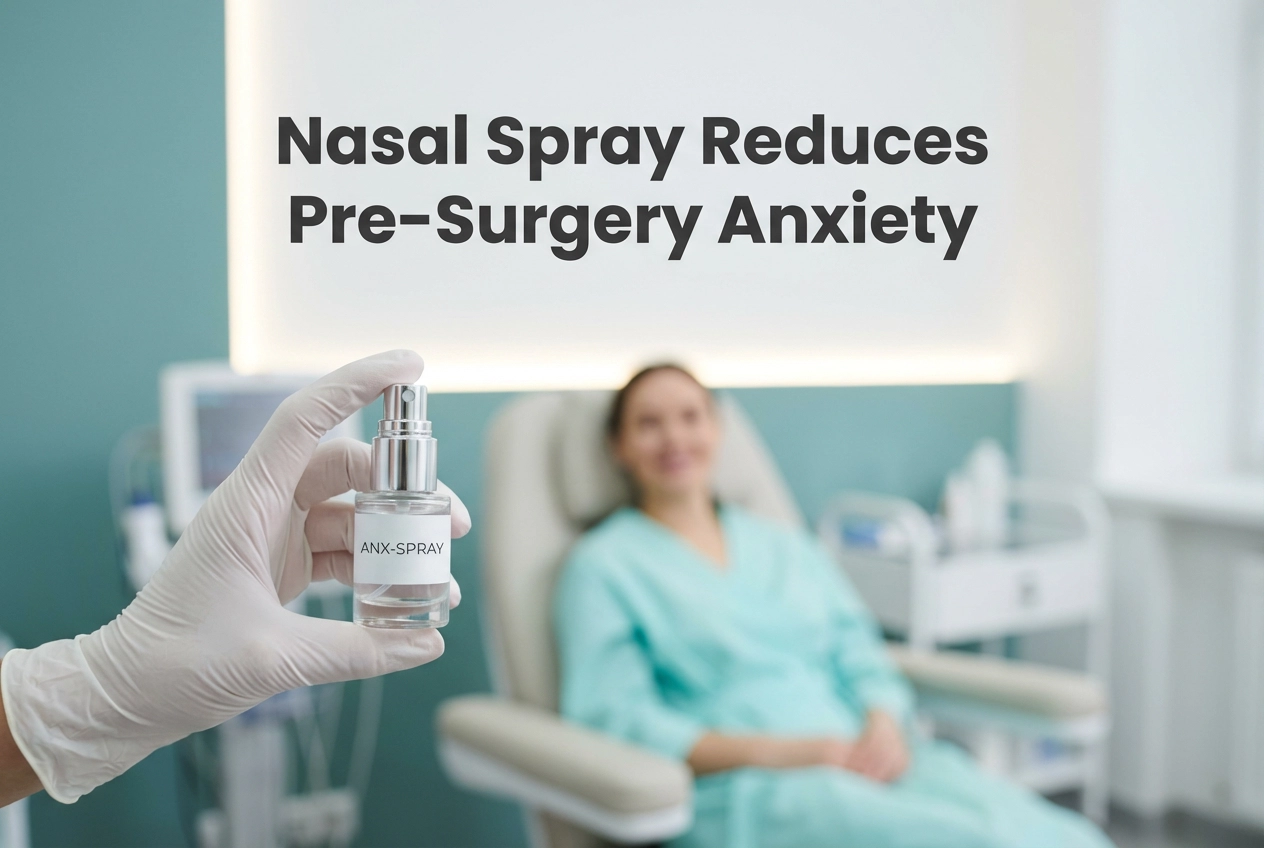
Doctors in Mumbai are testing a new nasal anaesthetic spray to help patients manage anxiety and pain before medical procedures. This innovation highlights a significant shift in how hospitals handle pre-operative stress. Traditionally, patients receive sedation through an intravenous (IV) drip. However, many people fear needles, which often increases their baseline anxiety. Researchers at Sir H. N. Reliance Foundation Hospital recently explored a less invasive alternative to improve patient experiences.
Advantages of the Nasal Anaesthetic Spray
Specifically, the study involved over 300 adults undergoing gastrointestinal endoscopy. The research team divided participants into two groups to compare standard IV sedation with the new intranasal method. Consequently, the results revealed that the nasal anaesthetic spray provided superior pain control and reduced post-operative anxiety. Moreover, patients in the test group maintained better mobility after their procedures. Because the spray puts patients in a trance-like sleep, they can still awaken when a doctor speaks to them. Therefore, this delivery system offers a safer and more comfortable environment for conscious sedation. If you are interested in advanced techniques in managing patient comfort and sedation, explore our Certification Course In Fundamentals Of Anaesthesia.
Furthermore, the nasal spray effectively eliminated the fear associated with IV medications. Instead of experiencing typical side effects like vomiting, patients reported a smoother recovery process. Additionally, the formula contains common medications such as ketamine, midazolam, and lignocaine. These drugs work together to provide both sedation and localized pain relief. Meanwhile, the integration of such delivery methods aligns with the rapid advancement of automated anaesthesia systems. However, experts like Dr. Ashish Mali caution that nasal sprays may not be suitable for every complex surgery. Specifically, IV access remains necessary if a patient’s blood pressure drops suddenly during a procedure. Thus, while highly effective for endoscopy and dentistry, doctors must still assess each patient’s unique needs before surgery. For specialized training on managing complex procedural sedation, consider advanced courses in Anesthesiology Speciality Courses.
Frequently Asked Questions
Q1: What medications are used in the nasal anaesthetic spray?
The spray contains a combination of ketamine, midazolam, and lignocaine. These medicines help sedate the patient while reducing physical pain during and after the procedure.
Q2: Is the nasal spray safer than traditional IV sedation?
While the spray reduces needle-related anxiety and side effects like vomiting, it may not be sufficient for all surgeries. Doctors recommend it primarily for non-invasive procedures such as endoscopies, MRIs, and dental work. For those focused on specialized procedural care, our Certification Course In Endoscopy covers relevant techniques.
Q3: How often do doctors administer the spray during a procedure?
In the clinical study, the team administered the spray before the surgery started. If the procedure required a longer duration, they provided additional doses at four-hour intervals to maintain sedation.
References
- Nasal anaesthetic spray helps reduce anxiety, pain during surgery: Study – ETHealthworld
- Mehta, M., et al. (2025). Evaluating a Novel Intranasal Drug Delivery System for Procedural Sedation in Adults Undergoing Endoscopic Procedures \u2013 A Prospective, Comparative Study. International Journal of Clinical Anesthesia and Research.
- AI and Automated Anaesthesia Systems. (2025). Anesthesiology and Perioperative Science.
Disclaimer: This article was automatically generated from publicly available sources and is provided for informational and educational purposes only. OC Academy does not exercise editorial control or claim authorship over this content. It is not a substitute for professional medical advice, diagnosis, or treatment. Always consult a qualified healthcare provider and refer to current local and national clinical guidelines.