
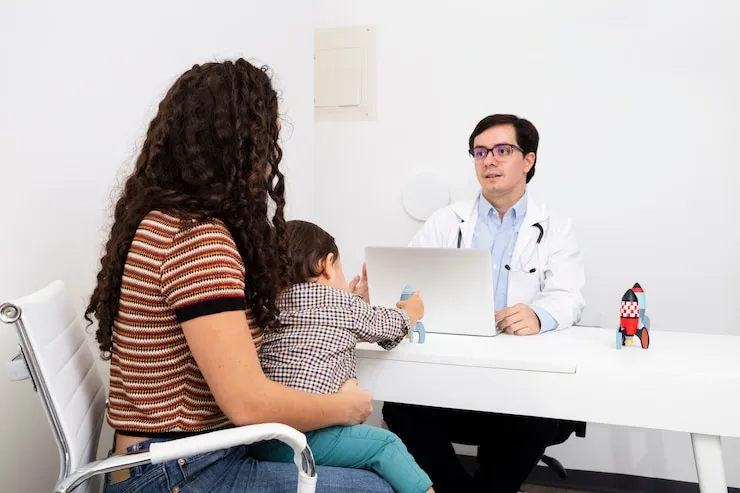
Managing comorbid type 2 diabetes and hypertension poses a significant challenge for healthcare systems globally. Therefore, researchers are testing remote options, including nurse-delivered telehealth, to support patients outside clinics. Specifically, a new pragmatic trial evaluated this model to determine its effectiveness.
Evaluating Nurse-Delivered Telehealth in FFS Settings
The EXTEND trial randomized 220 adult patients with uncontrolled type 2 diabetes and hypertension. These participants possessed a mean baseline HbA1c of 9.8%, indicating poor glycemic control. Consequently, researchers assigned them to either a mobile self-monitoring program or a comprehensive telehealth program. The comprehensive intervention integrated nurse-led self-management support with pharmacist-backed medication management. However, after twelve months, both groups showed similar clinical improvements.
Key Clinical Outcomes and Implementation Barriers
Specifically, HbA1c levels decreased by 1.1 percentage points in the comprehensive telehealth group. In comparison, the self-monitoring group achieved a 0.7 percentage point reduction. Therefore, the between-group difference of 0.4 percentage points did not reach statistical significance. Additionally, secondary outcomes like blood pressure and weight did not differ significantly between the groups.
The investigators discovered that poor program fidelity likely limited the success of the telehealth intervention. For instance, the median number of virtual encounters was only nine, falling short of the twelve-encounter protocol threshold. Furthermore, systemic barriers in the fee-for-service environment hindered consistent delivery. Clinicians in India can learn from these findings, as fragmented care delivery systems often present similar implementation challenges.
Clinical Implications for Remote Care in India
Although integrated systems like the US Veterans Health Administration implement telehealth smoothly, fee-for-service models face severe friction. Indian healthcare providers frequently operate in similar fee-for-service settings. Thus, they must carefully design remote patient monitoring programs to ensure high patient engagement and clinician adherence. Simply providing technology is not enough; rather, organizations must establish robust infrastructure to support nursing staff. Ultimately, addressing clinical inertia and streamlining workflow execution remain vital for digital health success.
Frequently Asked Questions
Q1: Did nurse-delivered telehealth significantly improve glycemic control compared to self-monitoring?
No, the comprehensive telehealth program did not significantly reduce HbA1c levels compared to self-monitoring alone. Although the telehealth group showed a slightly greater reduction, the difference between the groups was not statistically significant.
Q2: What were the main barriers to implementing this telehealth intervention?
First, the study suffered from suboptimal protocol fidelity, as participants completed a median of only nine encounters. Second, systemic challenges in the fee-for-service environment disrupted consistent nurse-led delivery and workflow integration.
Q3: How do these telehealth findings apply to clinicians practicing in India?
Because many Indian medical centers operate on fee-for-service payment models, they face similar operational hurdles. Consequently, Indian healthcare organizations must build dedicated support systems and focus on protocol adherence to ensure remote care programs succeed.
References
- Crowley MJ et al. Expanding Technology-Enabled, Nurse-Delivered Chronic Disease Care : A Pragmatic, Randomized, Effectiveness-Implementation Trial. Ann Intern Med. 2026 Jun 23. doi: 10.7326/ANNALS-26-00132. PMID: 42330500.
- German J et al. EXpanding Technology-Enabled, Nurse-Delivered Chronic Disease Care (EXTEND): Protocol and Baseline Data for a Randomized Trial. Contemp Clin Trials. 2024 Nov;146:107673. doi: 10.1016/j.cct.2024.107673.