
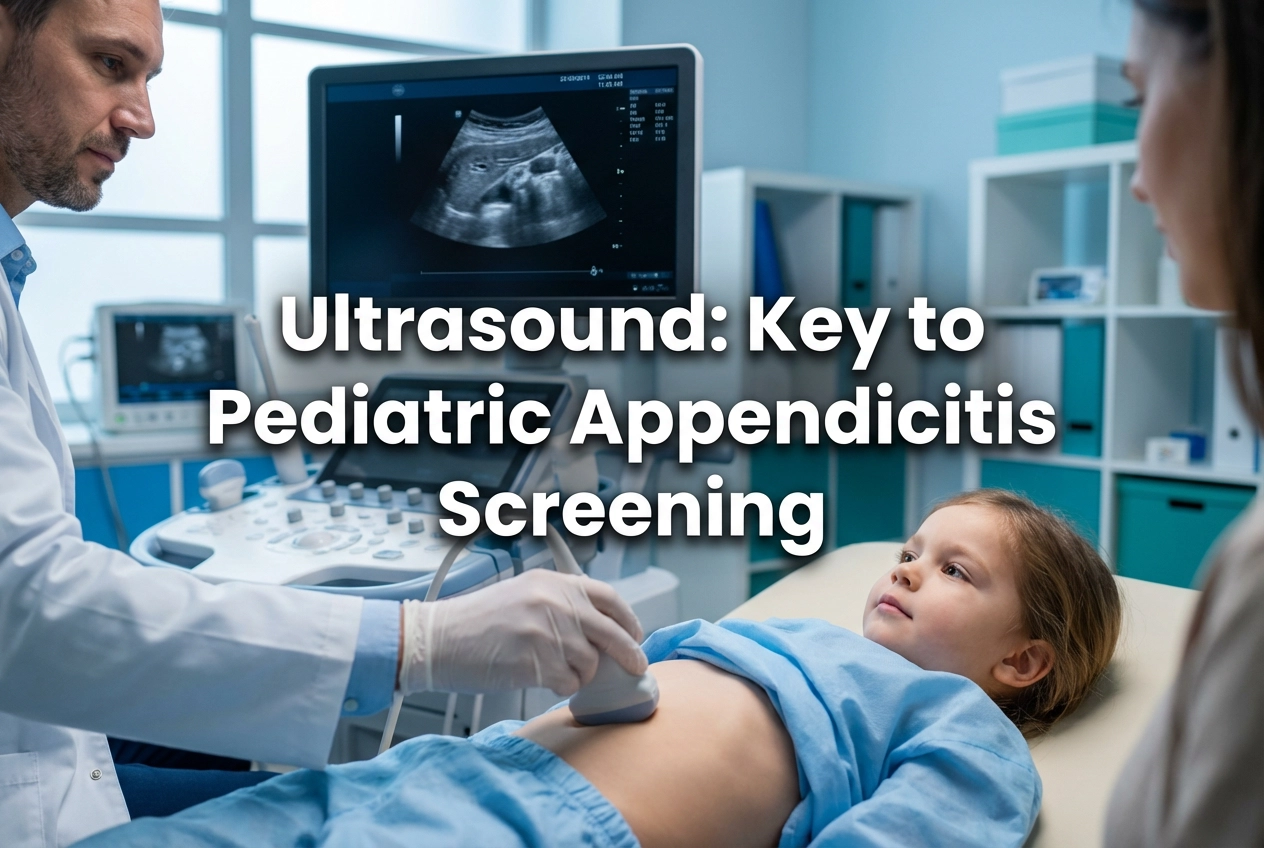
Pediatric abdominal ultrasound screening serves as the primary tool for evaluating children with suspected acute appendicitis. Physicians frequently face diagnostic dilemmas when a child presents with vague abdominal pain. However, standard protocols often focus solely on the right lower quadrant and the appendix. Consequently, clinicians may overlook alternative diagnoses that mimic appendicitis symptoms. Recent research suggests that expanding the scope of the examination provides significant clinical advantages.
Detecting Pathologies with Pediatric Abdominal Ultrasound Screening
A comprehensive approach involves scanning the entire abdomen and pelvis rather than a localized area. Specifically, a study by Dima et al. demonstrates that this broader screening identifies urgent incidental findings in 15% of patients. This finding highlights a significant increase in diagnostic yield compared to a focused appendiceal assessment. Furthermore, these additional findings often change the immediate management plan for the patient. Therefore, radiologists can more effectively identify alternative causes of pain, such as intussusception or ovarian torsion. Besides improving diagnostic accuracy, this method reduces the need for subsequent cross-sectional imaging like CT scans.
Diagnostic Yield and Organ Systems
Optimization modeling helps identify which organ systems offer the most value during these screenings. For example, the hepatobiliary and urinary systems frequently contain relevant incidental pathologies. In addition, the reproductive system in adolescent patients often reveals findings that explain the clinical presentation. Clinicians must weigh the extra time required for a full scan against the benefit of a definitive diagnosis. Thus, adopting a comprehensive protocol ensures a more thorough evaluation of the pediatric patient. Moreover, this practice aligns with modern goals of minimizing radiation exposure in children.
Frequently Asked Questions
Q1: Why is comprehensive ultrasound screening recommended over a focused scan?
Comprehensive screening detects additional clinically relevant findings in approximately 15% of pediatric patients, leading to better management of alternative diagnoses.
Q2: Which organ systems provide the highest diagnostic yield in these cases?
The hepatobiliary, urinary, and reproductive systems show the most significant incidental findings during a full abdominal assessment.
References
- Dima R et al. Abdominal screening with ultrasound in children with suspected acute appendicitis. Eur Radiol. 2026 Feb 21. doi: 10.1007/s00330-026-12394-x. PMID: 41721847.
- Bernardin MB, Marwan R. Pediatric Acute Appendicitis Guideline. University of Missouri Pediatric Service Line. 2025 Feb 15.
- Applied Radiology. Pediatric Appendicitis US: Practical Considerations. 2024 Dec 01.