
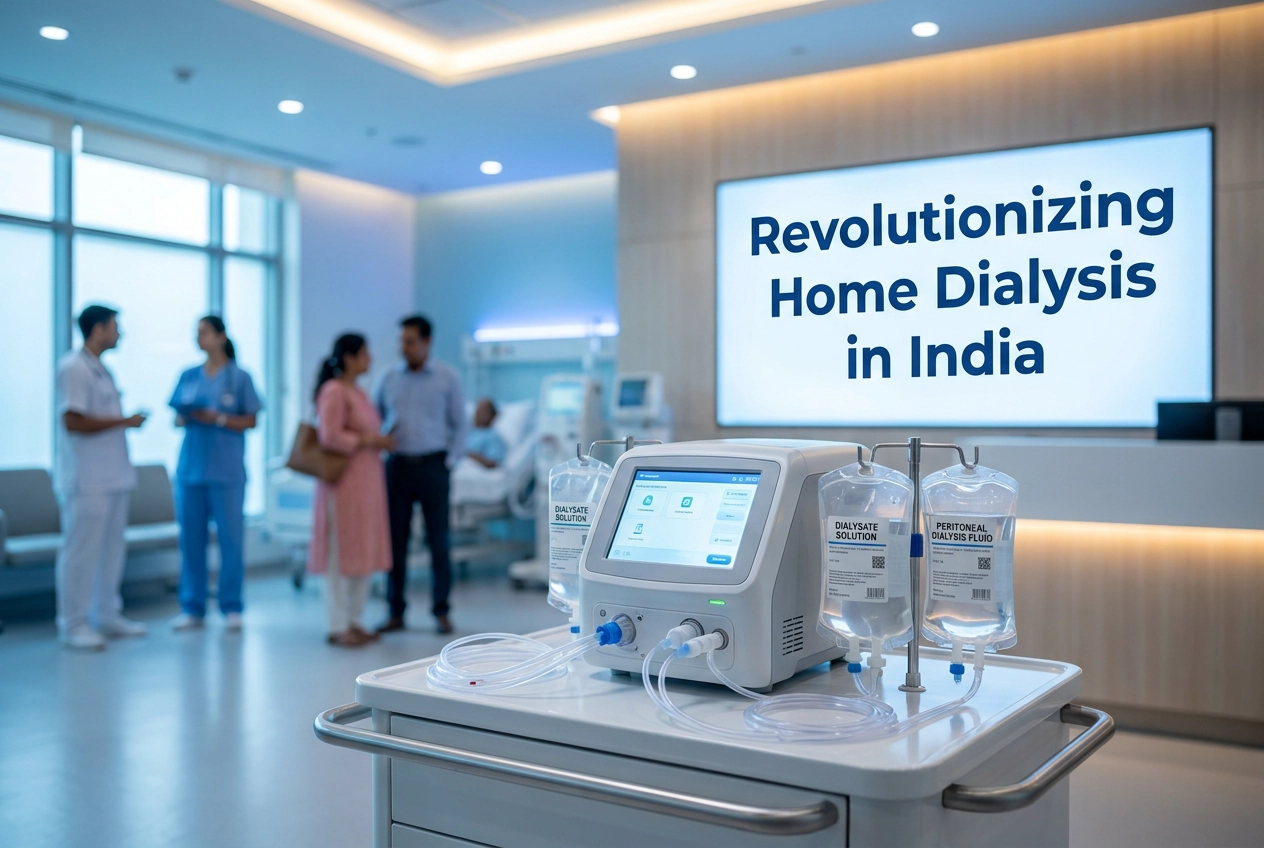
Peritoneal Dialysis in India offers a transformative approach to managing end-stage renal disease (ESRD). As chronic kidney disease rates rise across the country, clinicians must prioritize sustainable and accessible treatment modalities. This home-based therapy allows patients to undergo renal replacement within their own surroundings. Consequently, it minimizes the need for frequent hospital visits and reduces the burden on urban healthcare infrastructure.
Advancing Peritoneal Dialysis in India
Recent studies highlight that Peritoneal Dialysis in India remains underutilized despite its significant clinical benefits. For instance, the therapy provides superior hemodynamic stability and helps preserve residual renal function. Furthermore, the gentle filtration process mimics natural kidney activity more closely than hemodialysis. Therefore, many experts recommend PD as a first-line or preferred therapy for suitable candidates. However, successful adoption requires structured training and consistent physician oversight to ensure patient safety.
For healthcare professionals looking to deepen their expertise in kidney care management, exploring advanced courses is essential. Those focusing on conditions related to kidney function may benefit from training in renal medicine or related specialities.
Sustainability and Policy Integration
Integrating home-based therapies into national health schemes is crucial for long-term success. Currently, several Indian states have begun piloting PD inclusion in public insurance programs. Moreover, advances in automated systems and infection control have improved the viability of this modality. Nevertheless, the final choice of therapy should result from a shared decision between the nephrologist and the patient. This collaboration ensures that the treatment aligns with the patient’s lifestyle and clinical needs.
Frequently Asked Questions
Q1: Is Peritoneal Dialysis in India covered by government insurance?
While coverage varies by state, many regions are now including PD under schemes like the Pradhan Mantri National Dialysis Program to improve accessibility for rural patients.
Q2: What are the main advantages of home-based PD?
Home-based PD offers greater flexibility, reduces travel costs, and provides continuous toxin clearance, which often leads to better patient outcomes and metabolic stability.
References
- Peritoneal Dialysis Can Redefine Renal Care: A Vision for Sustainable Health inIndia – ETHealthworld
- Jha, V., et al. (2025). Scaling Up Peritoneal Dialysis in India: A Sustainability Perspective Using the Program Sustainability Assessment Tool. Kidney International Reports.
- Editorial. (2025). Peritoneal Dialysis in India is Dying—Is Weaning from the Ventilator Likely? PubMed Central.
Disclaimer: This article was automatically generated from publicly available sources and is provided for informational and educational purposes only. OC Academy does not exercise editorial control or claim authorship over this content. It is not a substitute for professional medical advice, diagnosis, or treatment. Always consult a qualified healthcare provider and refer to current local and national clinical guidelines.