Periurethral Estrogen Matches Intravaginal UTI Prevention
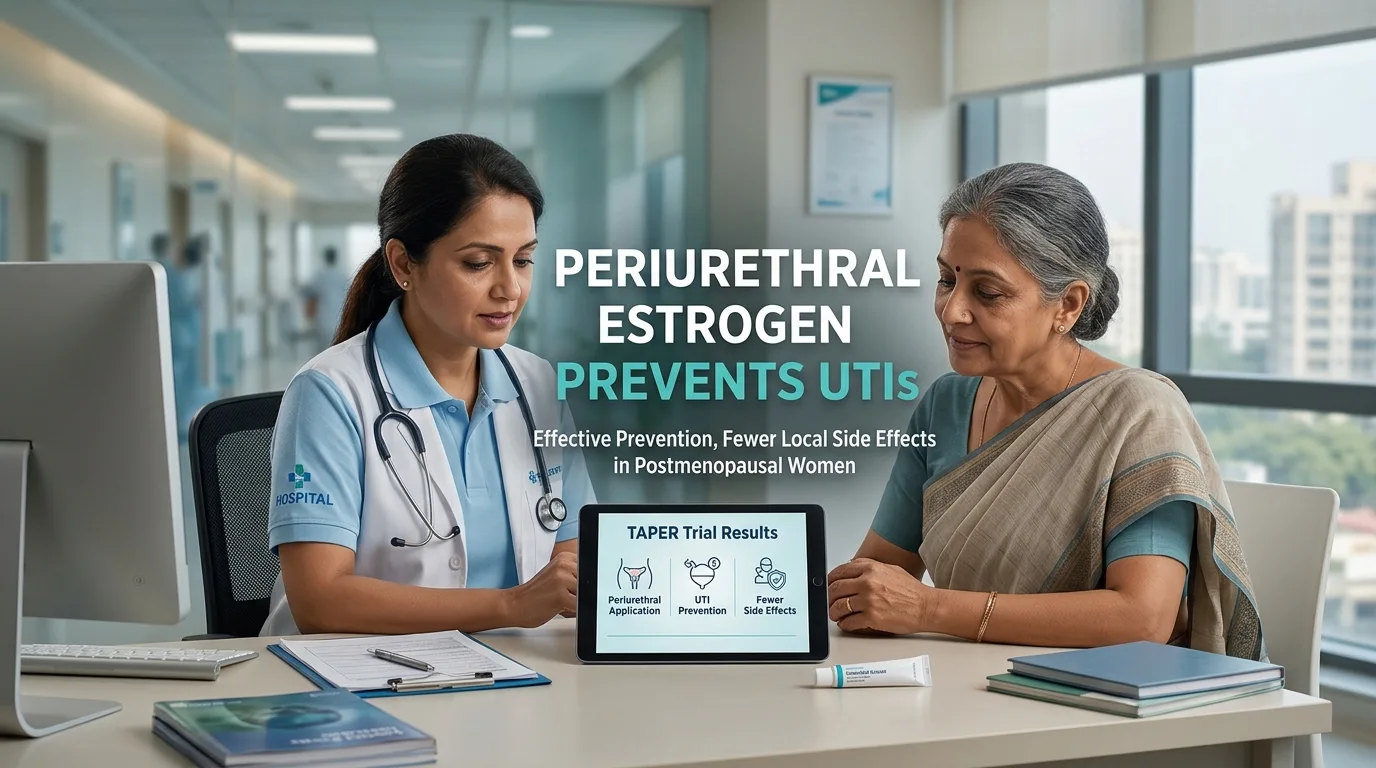
Efficacy of Periurethral Estrogen Application
Postmenopausal individuals frequently suffer from recurrent urinary tract infections. Consequently, clinical guidelines recommend local estrogen therapy for prevention. Furthermore, recent clinical evidence evaluates periurethral estrogen application against traditional intravaginal instillation. Specifically, researchers designed the TAPER trial to test noninferiority between these two techniques.
The TAPER Trial Methods and Key Outcomes
The randomized trial enrolled 114 postmenopausal participants with laboratory-proven recurrent infections. Notably, half of the participants applied 0.5 grams of estradiol cream periurethrally twice weekly. Meanwhile, the remaining participants instilled 1.0 gram of cream intravaginally with an applicator. At six months, both groups demonstrated nearly identical rates of remaining infection-free. Specifically, 50.9% of the periurethral group stayed infection-free compared to 52.6% in the intravaginal group. Therefore, periurethral delivery successfully met noninferiority criteria.
Benefits of Periurethral Estrogen Application for Patients
In addition to similar infection control, local tissue outcomes improved equally in both cohorts. Both groups experienced significant reductions in vaginal pH over six months. However, participants using intravaginal applicators reported significantly higher rates of vaginal itching after three months. In contrast, patients applying cream periurethrally experienced minimal irritation. Additionally, the periurethral method uses half the cream dosage of standard intravaginal instillation. Consequently, clinicians can consider periurethral application as a lower-dose, comfortable treatment option.
Frequently Asked Questions
Q1: Is periurethral estrogen application as effective as intravaginal estrogen for UTI prevention?
Yes. Clinical trial results show that periurethral application provides noninferior protection against recurrent urinary tract infections in postmenopausal women.
Q2: What advantages does periurethral estrogen offer over standard intravaginal delivery?
Periurethral application causes significantly less vaginal itching and uses half the amount of topical cream per dose. Therefore, patients often tolerate it better.
References
- Zuo SW et al. Vaginal Estrogen Application Techniques for Prevention of Urinary Tract Infection: A Randomized Trial. Obstet Gynecol. 2026 Jul 27. doi: 10.1097/AOG.0000000000006376. PMID: 42492951.
- Vaginal Estrogen for Urinary Tract Infection Prevention: A Narrative Review of Evidence, Guidelines, and Regulatory Gaps. PubMed. 2026.