
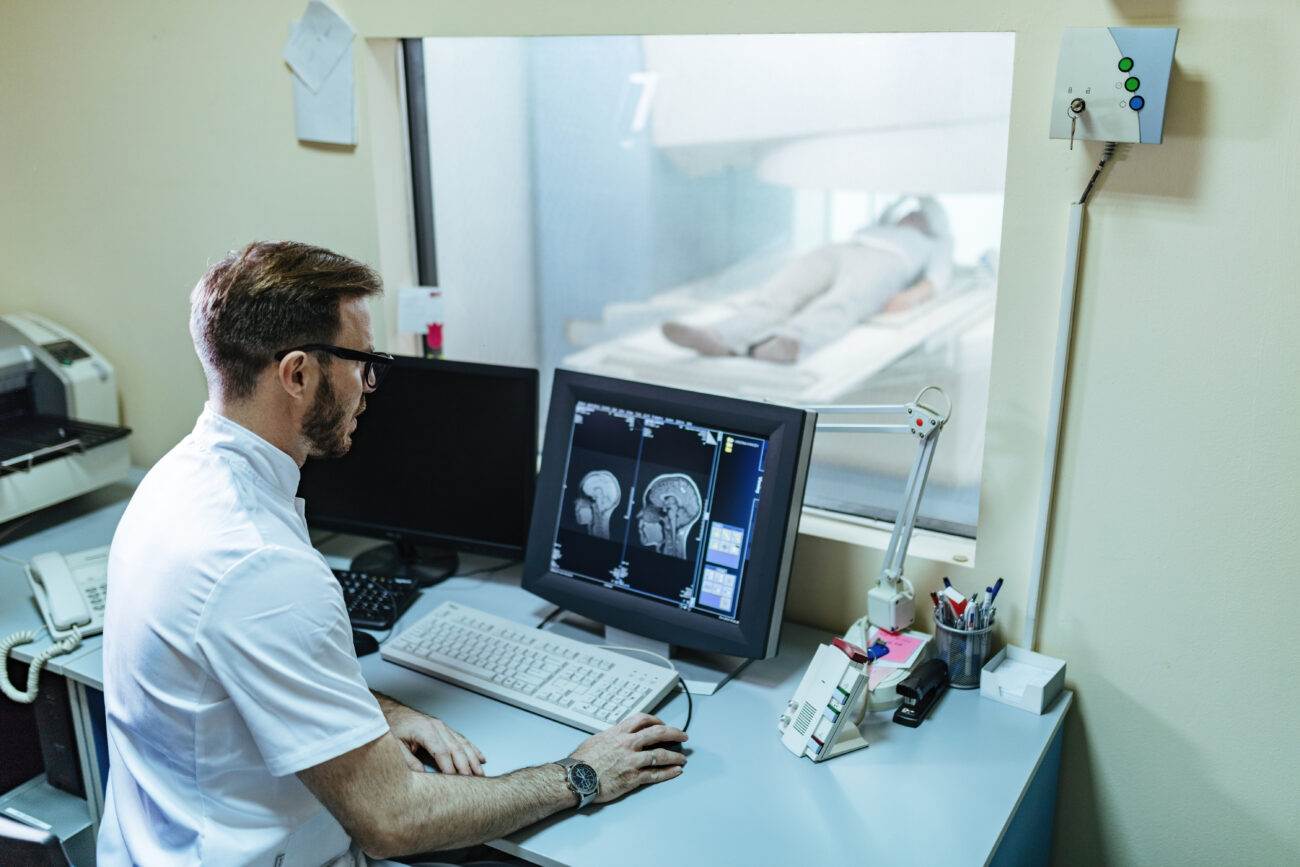
Philips reported impressive first-quarter revenues and margins that exceeded market expectations on Wednesday. Notably, the group is aggressively promoting its helium-free MRI technology to stabilize diagnostic services worldwide. Furthermore, CEO Roy Jakobs highlighted that the company will continue focusing on cost management and artificial intelligence. These measures aim to offset inflationary pressures and enhance clinical productivity for healthcare providers who wish to master clinical imaging.
Addressing Shortages with Helium-free MRI Technology
India is currently facing a significant helium shortage due to supply chain disruptions in West Asia. Consequently, the cost of MRI scans has risen, and new installations face delays across the country. Specifically, Philips has addressed this crisis by installing over 2,000 helium-free scanners globally. The BlueSeal magnet requires only a tiny fraction of the helium used in traditional systems. As a result, hospitals can maintain uninterrupted imaging services even during a global gas crisis. This innovation effectively future-proofs radiology departments against volatile commodity prices.
Strategic Growth and AI Integration
The company reported a 4% comparable sales growth, reaching 3.91 billion euros. Moreover, strong demand in North America and Europe primarily fueled this performance. Philips is pivoting from being a product company to a productivity partner. In addition, they are integrating agentic AI into clinical workflows to reduce the administrative burden on doctors. This shift allows clinicians to focus more on patient care rather than documentation. Additionally, the group is adjusting its pricing strategy to mitigate the impact of Middle Eastern tensions and inflation, a necessity for professionals staying current with the latest radiology speciality courses.
Financial Outlook and Regulatory Landscape
Philips reiterated its full-year outlook while accounting for U.S. import tariffs. However, the company expects potential refunds following a U.S. Supreme Court ruling. They have already submitted formal requests for these refunds to the government. Analysts from J.P. Morgan praised the company for consistently beating managed expectations. Furthermore, the group remains committed to sustainability by reducing energy consumption across its product line. This comprehensive approach ensures long-term stability for healthcare providers who rely on their technology.
Frequently Asked Questions
Q1: Why is helium-free MRI technology important for Indian doctors?
India relies heavily on helium imports, which are currently volatile. This technology ensures that MRI machines remain operational without expensive and frequent refills of scarce liquid helium.
Q2: How is AI being used to manage healthcare costs?
Philips uses agentic AI to automate administrative tasks and clinical workflows. This improves efficiency and allows healthcare systems to handle higher patient volumes with existing staff levels.
Q3: Does the new technology compromise image quality?
No, the helium-free BlueSeal magnets provide best-in-class homogeneity and image quality. They are designed for complex clinical cases, including neurology and oncology imaging.
References
- Dutch health-tech group Philips’ sales, margins beat estimates on order growth – ETHealthworld
- West Asia-linked helium shortage threatens MRI services in India; scan & diagnostics costs set to rise – The Economic Times
- Improving Healthcare Sustainability – The Drive Towards Helium-Free MRI Operations – Philips
Disclaimer: This article was automatically generated from publicly available sources and is provided for informational and educational purposes only. OC Academy does not exercise editorial control or claim authorship over this content. It is not a substitute for professional medical advice, diagnosis, or treatment. Always consult a qualified healthcare provider and refer to current local and national clinical guidelines.