
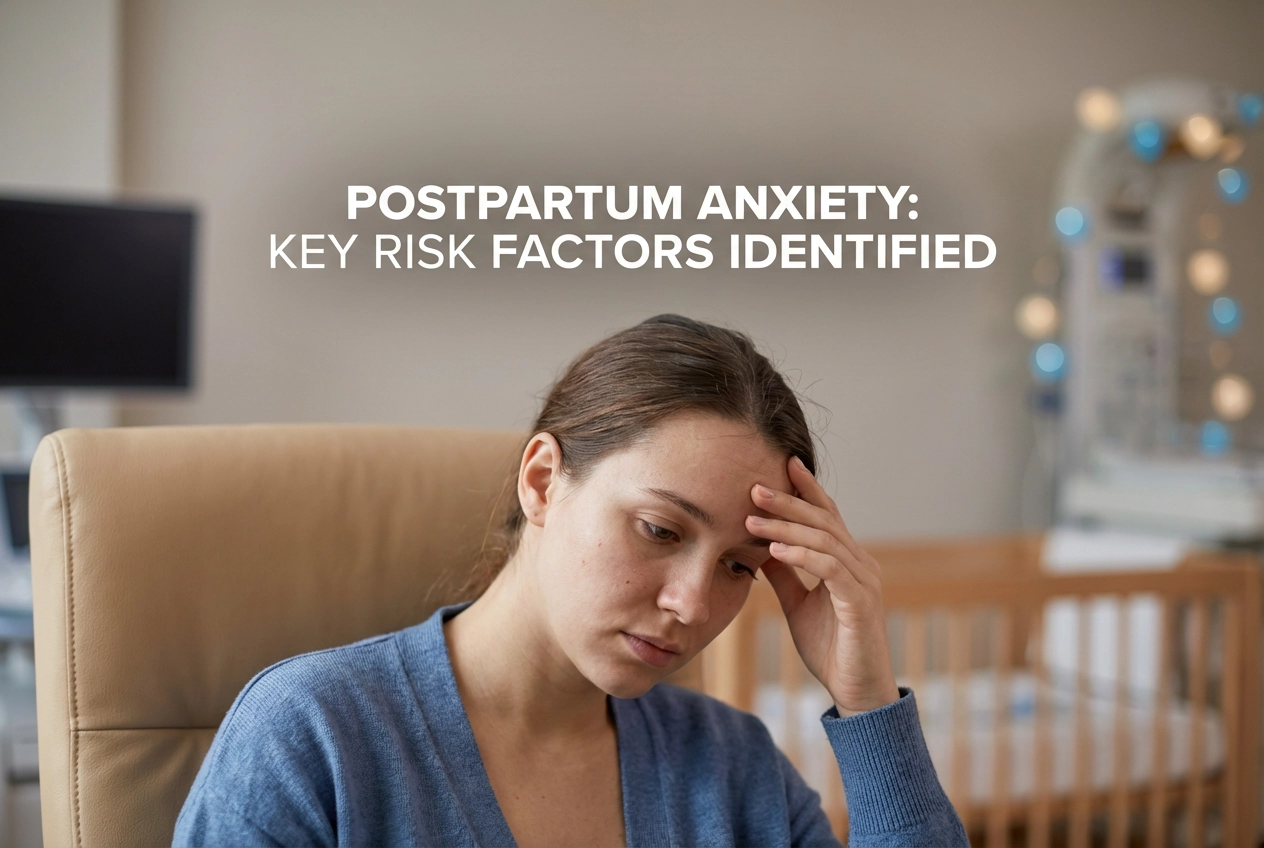
Rising Rates of Postpartum Anxiety
Postpartum anxiety remains a significant challenge for new mothers. Therefore, clinicians must understand postpartum anxiety risk factors to provide better care. Recently, a major study analyzed data from over 1.4 million individuals without prior mental health issues. This research highlights a sharp increase in anxiety diagnoses after childbirth. Moreover, the prevalence rose fourfold between 2008 and 2021. Consequently, this trend suggests that mental health screening should be a clinical priority for all obstetricians.
Identifying Postpartum Anxiety Risk Factors
Doctors often overlook anxiety while focusing primarily on postpartum depression. However, the study found that 5.8% of participants received a new anxiety diagnosis within one year. Additionally, many cases emerge well after the initial six-week checkup. Specifically, identifying postpartum anxiety risk factors helps in early intervention. Researchers noted that the majority of diagnoses occurred between one month and one year after delivery. Consequently, these efforts may improve maternal outcomes and family well-being. Furthermore, the presence of comorbid depression complicates the overall clinical picture. Because of this, a comprehensive screening approach is essential for every patient.
Clinical Implications for Healthcare Providers
In contrast to previous years, modern stressors might contribute to this rise in mental health concerns. Therefore, clinicians should implement longitudinal screening throughout the first postpartum year. Moreover, physicians in India should recognize that local socio-economic factors also play a role. For instance, lack of family support significantly increases the risk for new mothers. Consequently, early detection can prevent long-term psychiatric morbidity. Finally, healthcare providers must remain vigilant to ensure the health of both mother and child.
Frequently Asked Questions
Q1: How common is new-onset postpartum anxiety?
Approximately 5.8% of women without prior mental health history develop a new anxiety diagnosis within the first year after childbirth.
Q2: When are women most likely to be diagnosed with postpartum anxiety?
While some cases appear in the first month, the vast majority of diagnoses occur between one month and one year postpartum.
Q3: Is postpartum anxiety often linked with other conditions?
Yes, many individuals experience comorbid depression or PTSD alongside their anxiety symptoms, which requires integrated treatment plans.
References
- Smith M et al. Prevalence of and Risk Factors for Postpartum Anxiety in a U.S. Cohort With Commercial Insurance. Obstet Gynecol. 2026 Feb 26. doi: 10.1097/AOG.0000000000006220. PMID: 41747270.
- Dadhwal V et al. Prevalence of postpartum depression & anxiety among women in rural India: risk factors & psychosocial correlates. Indian J Med Res. 2023;158(4):407–16.
- Vengadavaradan A et al. Postpartum Anxiety and Its Associated Factors: A Cross-sectional Study from South India. J Pharm Bioallied Sci. 2021.