
How Precision Oncology Is Redefining Cancer Treatment
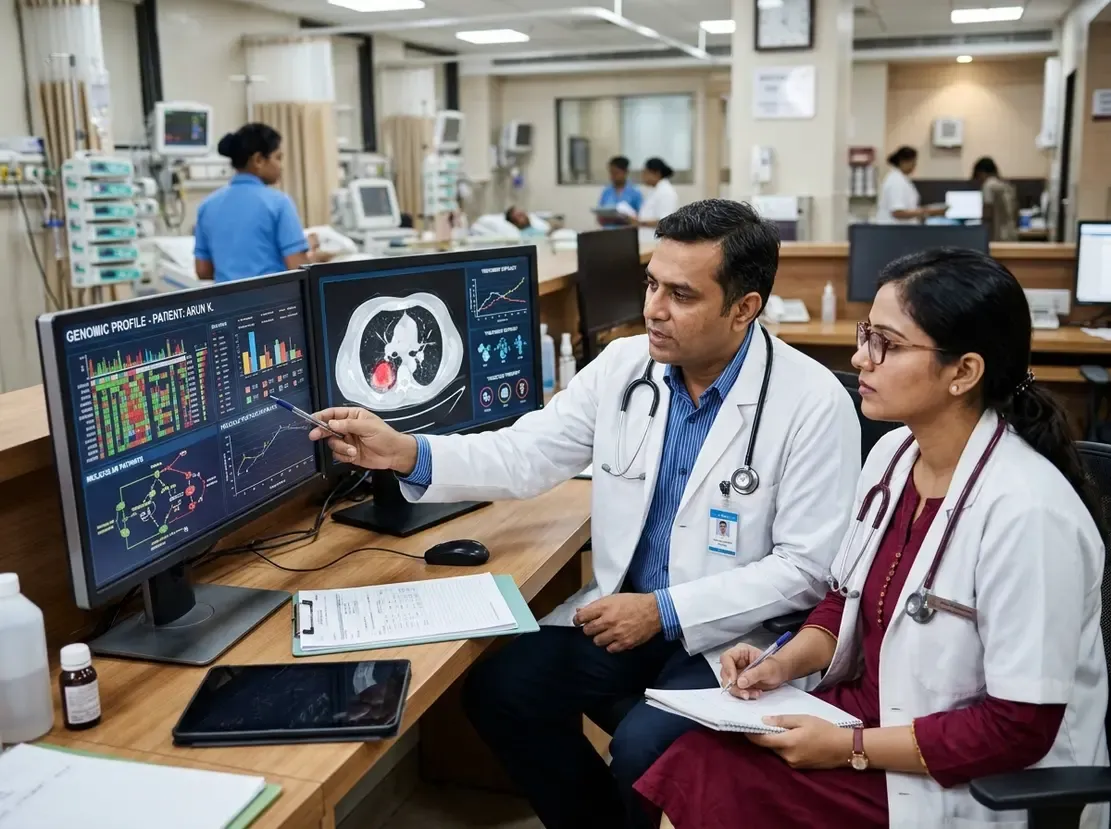
Cancer therapeutics is moving rapidly beyond conventional histopathological classification toward molecular profiling and tailored regimens. In this transformative era, precision oncology offers powerful genomic tools to identify specific tumor drivers. However, true clinical progress depends on whether these scientific innovations genuinely help patients live longer and better. Dr. Jyoti Bajpai, named Oncologist of the Year at the ET Healthcare Awards 2026, emphasizes that humanity must guide scientific excellence. Consequently, oncologists must balance cutting-edge innovations with evidence-based decisions and empathetic communication.
Rational Precision Oncology: Choosing the Right Strategy
One major paradigm shift in oncology involves treating cancers according to their underlying biology rather than anatomical location alone. Patients who share identical histological diagnoses often exhibit distinct genomic alterations and immune profiles. Therefore, molecular testing and targeted agents provide novel pathways for selected individuals. Yet, precision oncology does not demand ordering every comprehensive assay or prescribing the most expensive therapy. Instead, clinicians must evaluate which tests provide actionable information to guide therapy. Furthermore, a discovered molecular alteration does not always translate into therapeutic efficacy. For this reason, physicians must weigh clinical trial evidence against real-world benefits before altering therapeutic regimens.
Navigating Rare Cancers and Molecular Diagnostics
Standard protocols often fail to offer definitive roadmaps when managing rare malignancies and complex solid tumors. In such scenarios, clinicians rely heavily on specialized histopathology review, focused molecular characterization, and multidisciplinary tumor boards. Multidisciplinary collaboration ensures thorough diagnostic accuracy before initiating intense treatment protocols. In addition, molecular tumor boards critically review conflicting data to prevent costly, ineffective interventions. Clinicians must maintain transparent discussions with patients regarding survival benefits and uncertainties. Therefore, genuine clinical hope should remain anchored in realistic expectations rather than inflated promises.
Holistic Care: Addressing Quality of Life and Survivorship
Malignancy alters every dimension of an individual's life, affecting careers, personal relationships, financial stability, and emotional health. Consequently, cancer care must look beyond tumor shrinkage to address overall patient well-being. Young adults frequently face fertility concerns, whereas elderly patients often prioritize functional independence. Clinicians should integrate psychological support, fertility preservation counseling, and symptom control at the onset of diagnosis. Thus, supportive care should serve as an essential pillar rather than an afterthought. Ultimately, practitioners achieve true clinical excellence when medical knowledge aligns with compassionate care through specialized oncology courses.
Strengthening Immuno-Oncology in India
India presents unique clinical opportunities to advance global oncology research through its vast and diverse patient population. Furthermore, indigenous data generation remains vital because Western pharmacological findings do not always reflect Indian pharmacogenomics. Initiatives like the Immuno-Oncology Society of India (I-OSI) help develop national standards and collaborative research platforms. As a result, domestic researchers can contribute meaningful evidence to international consensus guidelines. However, technological innovations like artificial intelligence must remain paired with clinical scrutiny and fair access. Healthcare systems must ensure that transformative cancer therapies remain affordable and accessible for every patient.
Frequently Asked Questions
Q1: What defines a rational approach to precision oncology?
A rational approach involves ordering molecular tests that directly inform actionable treatment decisions. Clinicians must weigh scientific evidence against drug availability and patient financial realities rather than prescribing every novel drug.
Q2: Why are multidisciplinary tumor boards crucial in rare cancers?
Multidisciplinary tumor boards bring together pathologists, radiologists, and oncologists to analyze complex diagnostic information. Consequently, this collaborative review prevents inaccurate diagnoses and guides personalized, evidence-backed treatment plans.
Q3: How does holistic cancer care improve patient outcomes?
Holistic care addresses psychological well-being, symptom burden, fertility, and functional independence alongside direct tumor treatment. Therefore, integrating supportive therapies early preserves patient quality of life throughout survivorship.
References
- Dr. Jyoti Bajpai: Redefining Cancer Care Through Precision, Purpose andCompassion - ETHealthworld
- Precision Oncology in Low- and Middle-Income Countries: A Word of Caution - Binaytara
- 6th and 7th International consensus guidelines for the management of advanced breast cancer (ABC guidelines 6 and 7) - The Breast


