How Preventive Care and Tech Will Shape India's Medicine

Modern medical practice in India is undergoing a rapid clinical transition. Prioritising preventive healthcare has become vital to curb the exponential growth of lifestyle disorders across young populations. Furthermore, clinical leaders emphasize that medical teams must blend technological tools with sound clinical judgment. Consequently, this shift transforms healthcare from reactive intervention into proactive disease management.
The Crucial Role of Preventive Healthcare
Chronic conditions such as diabetes, hypertension, and cardiovascular diseases increasingly affect younger Indian adults. Therefore, clinicians must prioritize early diagnosis and structured screenings over late-stage episodic care. For example, comprehensive metabolic panels and regular blood pressure monitoring detect abnormalities before complications occur. Moreover, patient education regarding balanced nutrition and exercise significantly reduces disease vulnerability. As a result, early intervention lowers long-term morbidity and relieves pressure on intensive hospital resources.
Integrating Technology with Clinical Expertise
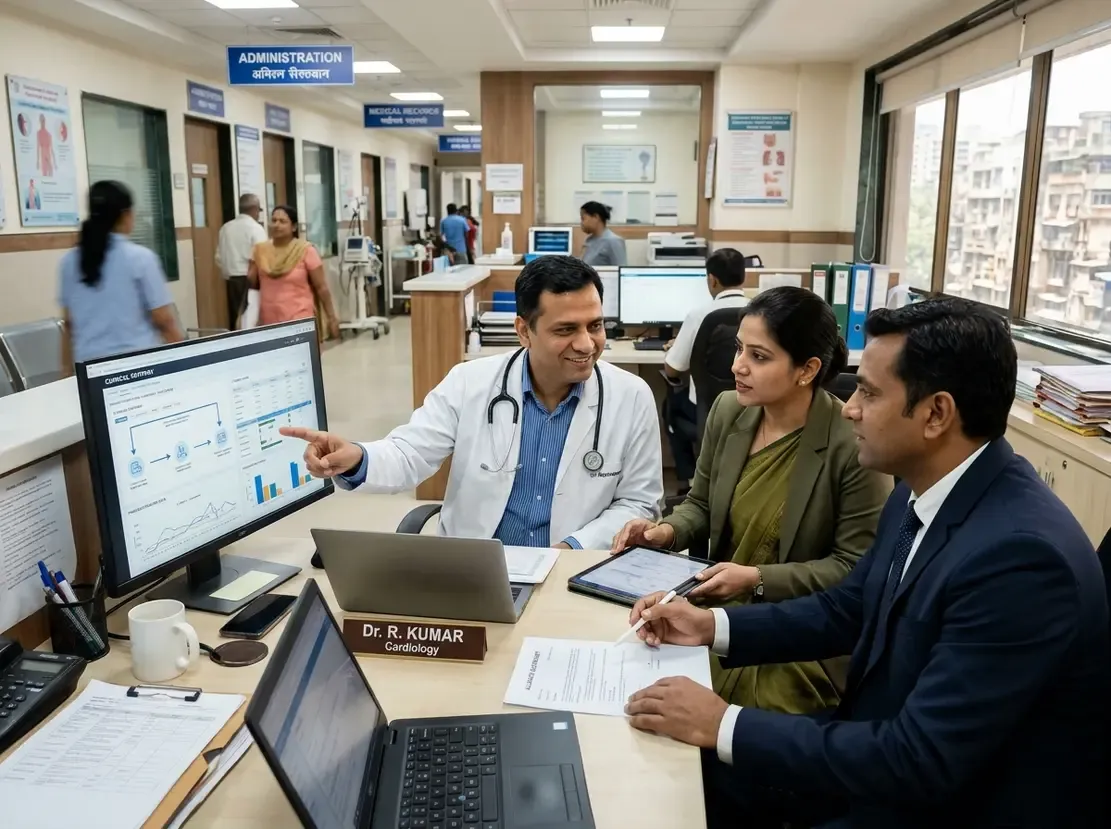
Technological innovation offers powerful clinical solutions, yet human expertise remains irreplaceable. Digital health records, artificial intelligence, and remote monitoring platforms streamline patient workflows. In addition, diagnostic algorithms help doctors identify subtle pathognomonic signs swiftly. However, computational tools should never replace the seasoned intuition of an experienced physician. Instead, modern technology acts as a force multiplier that enhances diagnostic precision. Clinicians can synthesize extensive data streams while maintaining empathetic, patient-centered communication.
Advancing Indigenous Medical Innovation
India's healthcare ecosystem continues to demonstrate robust self-reliance through cutting-edge medical research. Notably, the successful development of indigenous DNA vaccines illustrates domestic manufacturing capability. Furthermore, scientific institutions actively pursue novel countermeasures against endemic threats like dengue and malaria. These ongoing research initiatives translate laboratory discoveries into accessible public health solutions. Consequently, Indian healthcare strengthens its clinical autonomy while contributing significantly to international medical progress.
Frequently Asked Questions
Q1: Why is preventive healthcare critical for younger Indian demographics?
Lifestyle-related diseases like type 2 diabetes and hypertension increasingly strike individuals under age forty. Therefore, early screening and healthy lifestyle modifications prevent irreversible organ damage and premature mortality.
Q2: How should clinicians balance technology with clinical judgement?
Technological platforms should assist rather than dictate clinical decisions. Thus, physicians should leverage data analytics to support diagnostic accuracy while preserving personalized physical examinations and clinical rapport.
References
- Preventive healthcare, technology to shape future of medicine: Jitendra Singh - ETHealthworld
- Lifestyle diseases in India - Indian Council of Medical Research (ICMR)
- Digital Health Technologies in India: A Comprehensive Review - IJRTI