
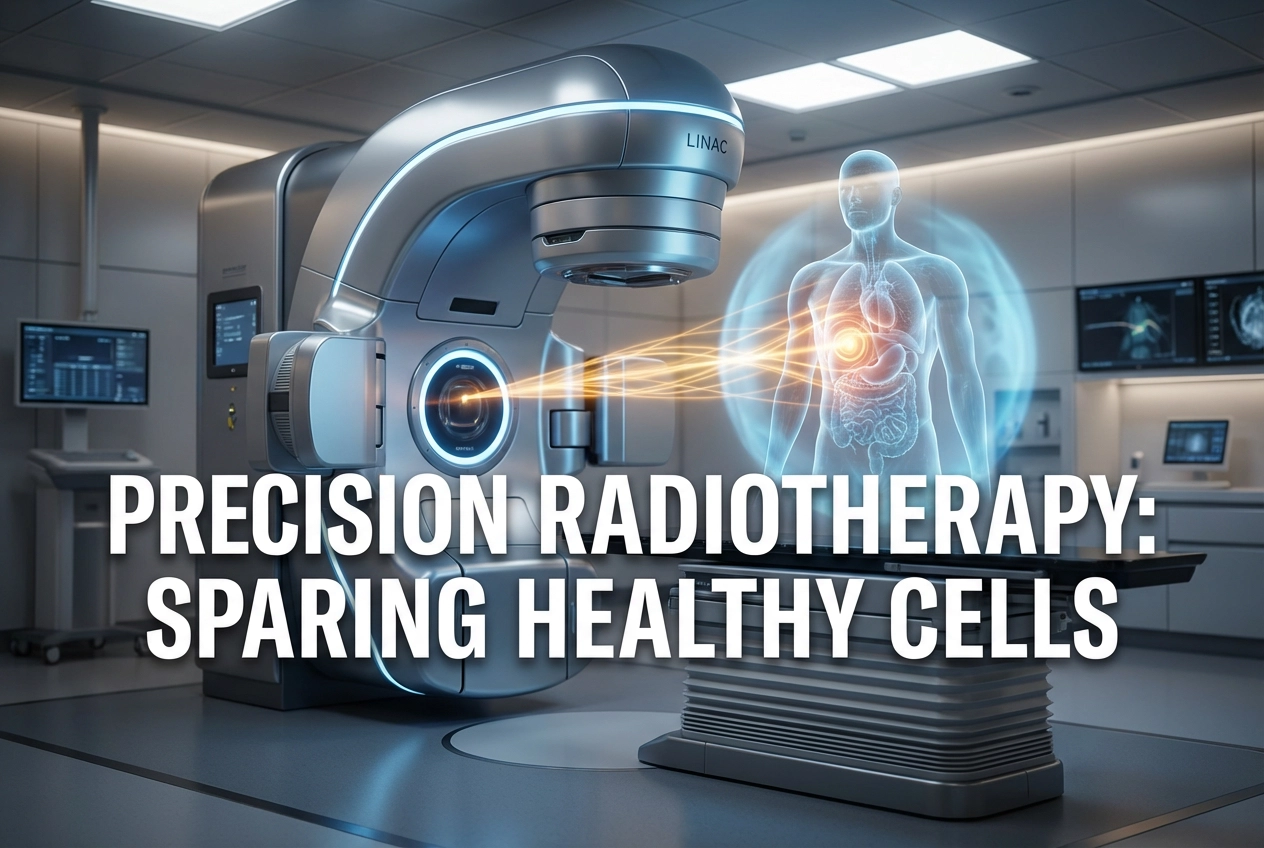
Radiotherapy is a cornerstone of modern oncologic treatment for millions of patients. However, understanding radiotherapy side effects on normal tissues remains a critical task for clinicians. Recent advances in imaging and dose delivery have significantly improved clinical outcomes. These technologies allow for more conformal treatments that spare healthy organs. Consequently, patients often experience fewer complications than they did with older techniques. Modern methods even allow for ablative doses while minimizing damage to surrounding structures.
Biological Mechanisms of Injury
Radiation-induced changes in healthy tissues occur through several complex biological pathways. First, stem-cell senescence and persistent inflammation lead to progressive cellular dysfunction. Additionally, vascular changes and fibroblast activation can cause long-term scarring or fibrosis. Furthermore, the loss of parenchymal cells reduces the functional capacity of the affected organ. Therefore, identifying these changes early is essential for effective patient management in clinical practice.
Managing Radiotherapy Side Effects
Research into biological underpinnings offers great promise for increasing the efficacy of treatment. Specifically, scientists are investigating biomarkers that predict how a patient will react to irradiation. Moreover, personalized approaches help clinicians tailor treatments to individual risk profiles. These innovations are reducing the overall burden of treatment on the human body. As a result, the therapeutic window for radiation therapy continues to expand globally.
Frequently Asked Questions
Q1: What are the main causes of radiation-induced tissue injury?
Injury typically results from stem-cell senescence, chronic inflammation, and vascular damage that leads to tissue scarring.
Q2: How does personalized medicine improve radiotherapy outcomes?
Personalized medicine uses specific biomarkers to predict toxicity risks, allowing doctors to adjust doses for better safety.
References
- Citrin DE et al. Effects of Radiotherapy in Normal Tissue. N Engl J Med. 2026 Mar 05. doi: 10.1056/NEJMra2506017. PMID: 41780002.
- Bernier J et al. Radiotherapy toxicities: mechanisms, management, and future directions. Lancet Oncol. 2025;26(1):e1-e12.
- Pathak R et al. Molecular Mechanisms Responsible for Radiation-Induced Toxicity of Normal Tissue. Int J Mol Sci. 2022;23(2):101.