Reforming Rural Healthcare: 40 Years of Gadchiroli Gains

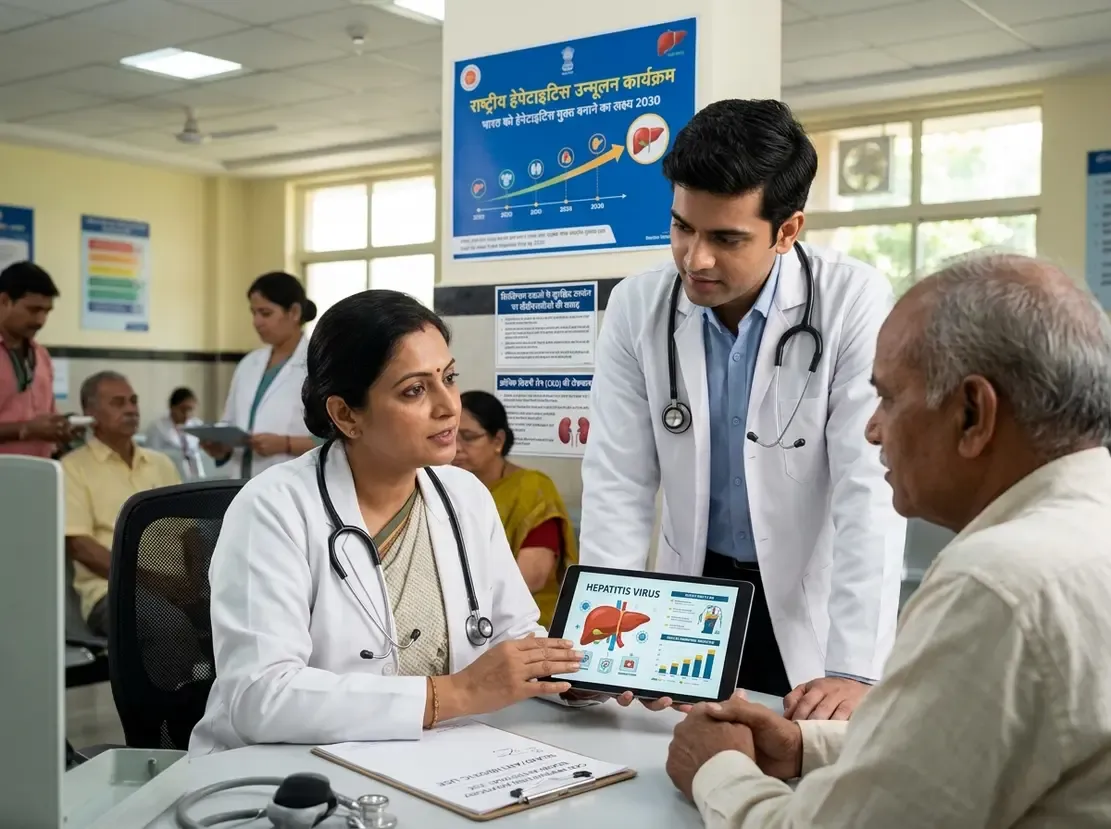
Transforming rural healthcare in India requires a deep understanding of community dynamics and grassroots needs. Dr. Abhay Bang, chairman of SEARCH in Gadchiroli, has spent four decades delivering evidence-based community interventions. Consequently, his observations provide crucial lessons for Indian doctors and public health policymakers. Over recent decades, public health delivery has expanded markedly across underserved tribal pockets. However, significant structural hurdles still prevent equitable care delivery.
Transforming Rural Healthcare in India Over Four Decades
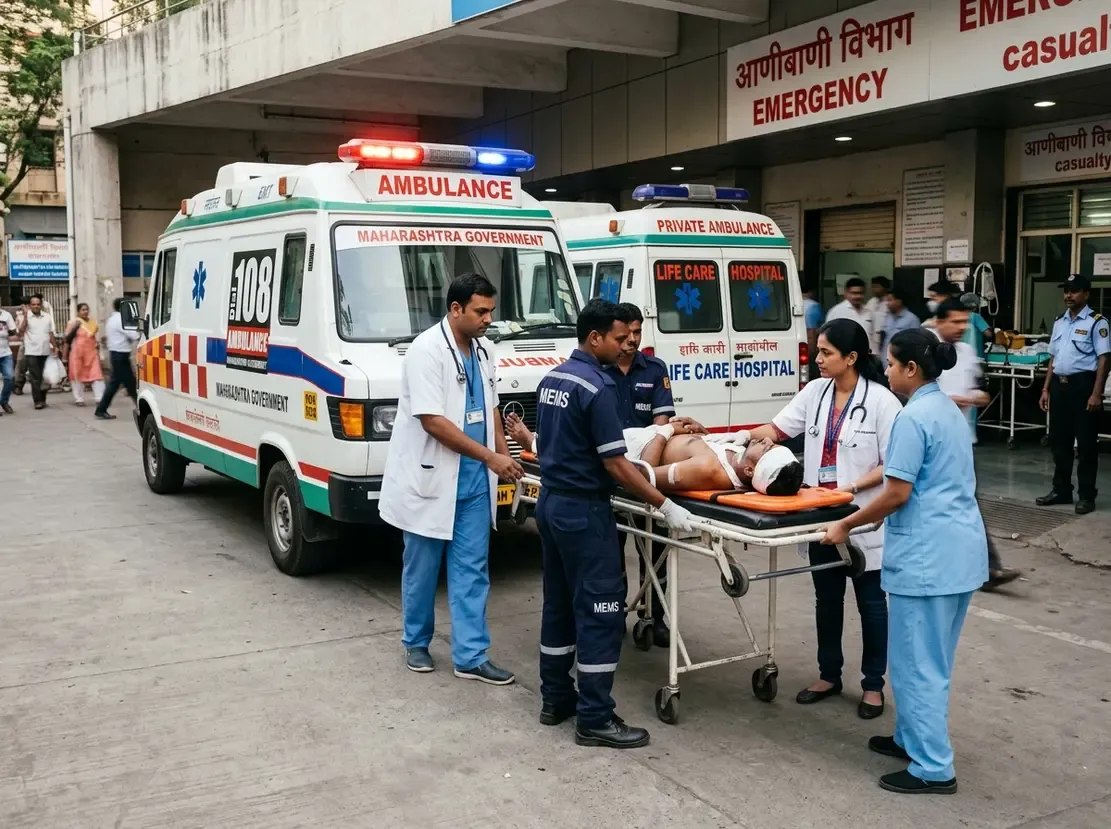
When Dr. Abhay Bang and Dr. Rani Bang founded SEARCH in 1986, healthcare access was virtually absent in Gadchiroli. In fact, tribal residents actively avoided clinicians dressed in white aprons because white cloth traditionally signified death. Therefore, the team focused on building trust before prescribing treatments. Over forty years, national health metrics have demonstrated measurable progress. For instance, India reduced its infant mortality rate from approximately 100 deaths per 1,000 live births to 25. Moreover, public primary health centers expanded from one per 100,000 people to one per 30,000 people. Sub-centers and Ayushman Arogya Mandirs now operate at even closer ratios. Nevertheless, infrastructural expansion alone has not guaranteed clinical engagement. Many rural patients still bypass government clinics for private providers due to persistent trust deficits.
The Emerging Epidemic of Non-Communicable Diseases
In earlier decades, public health priorities centered primarily on infectious diseases, malnutrition, and childhood vaccination. Today, however, an escalating wave of non-communicable diseases (NCDs) threatens rural populations. Rural patients increasingly suffer from hypertension, diabetes, cardiovascular disease, and chronic respiratory disorders. Furthermore, managing NCDs demands sustained chronic care models rather than single-dose antimicrobial therapies. Because rural health centers historically focused on episodic maternal and acute child illnesses, they frequently struggle with long-term chronic disease management. Clinicians must therefore introduce comprehensive longitudinal monitoring at the primary health center level. In addition, healthcare teams must provide ongoing patient education to curb tobacco use and dietary risks in rural communities.
Rethinking Medical Education and Physician Recruitment
India frequently relies on mandatory rural postings to address doctor shortages in remote regions. Dr. Bang argues that compulsory postings fail to solve the systemic crisis of physician retention. Instead, the fundamental flaw lies in how medical schools select candidates. Current entrance exams like NEET evaluate rote textbook memorization rather than clinical empathy or community commitment. Consequently, young graduates often lack the internal motivation required to serve marginalized populations. Artificial intelligence and digital databases can readily retrieve factual information. Therefore, medical selection boards should evaluate personal values, social compassion, and dedication to public service. Doctors must intentionally choose to practice where community need is highest.
Frequently Asked Questions
Q1: How has public health infrastructure evolved in rural India over the last 40 years?
India significantly expanded primary healthcare coverage over four decades. Primary Health Centres increased from one per 100,000 population in 1980 to one per 30,000 today. Furthermore, tribal health posts and Ayushman Arogya Mandirs now serve units of 3,000 people, though earning community trust remains a critical priority.
Q2: Why are non-communicable diseases particularly challenging in rural settings?
Non-communicable diseases require continuous lifelong management rather than single-dose curative treatments. Additionally, rural healthcare centers lack sufficient infrastructure for longitudinal chronic disease tracking, early screening, and reliable medication supply.
Q3: What reforms are suggested for medical admissions to support rural healthcare?
Experts emphasize evaluating empathy, social motivation, and service aptitude alongside academic recall. Because rote exams cannot measure compassion, admission criteria should identify candidates who genuinely wish to serve underserved populations.
References
- 40 years in Gadchiroli: Dr Abhay Bang on rural health gains and what India stillgets wrong - ETHealthworld
- Kawalkar U, Mankar A, Gophane R, Patil MS. People's Health in People's Hands: Dr. Abhay Bang and Dr. Rani Bang's Pioneering Approach to Rural Healthcare in India. Cureus. 2024;16(8):e68345.
- Ministry of Health and Family Welfare, Government of India. National Programme for Prevention and Control of Non-Communicable Diseases (NP-NCD). 2024.