Maharashtra Integrates Ambulances for Faster Trauma Care
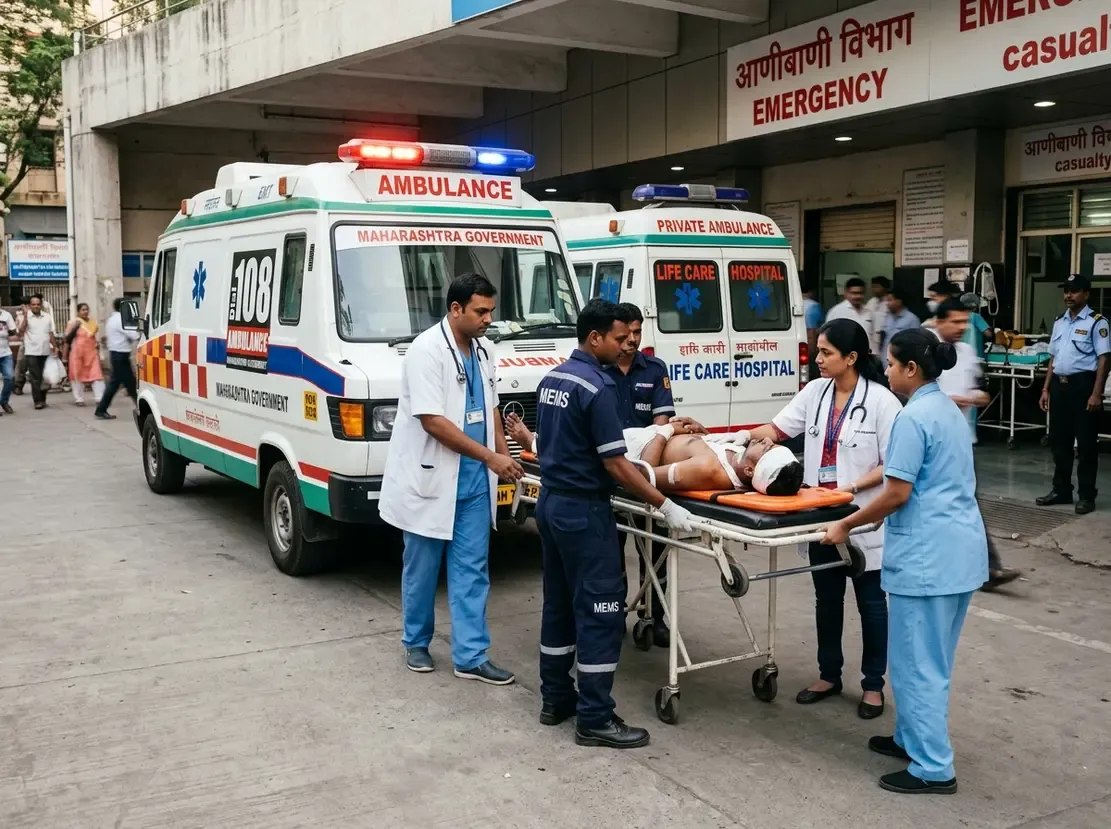
The government approved ambulance integration in Maharashtra to unify state-run 108 ambulances and private vehicles on a single digital network. Consequently, dispatchers can route the closest available emergency vehicle to severe road crash victims without administrative delay. Transport and health officials convened at the State Road Safety Council to accelerate pre-hospital trauma management. Furthermore, rapid transit remains crucial during the golden hour to prevent irreversible hemorrhagic shock. Recent state data highlights that two-wheeler riders and pedestrians constitute over 80 percent of traffic fatalities. Therefore, timely pre-hospital access serves as a vital clinical determinant of trauma survival.
Advancing Ambulance Integration in Maharashtra
Integrating municipal, state, and private emergency fleets eliminates operational silos during acute casualty events. Consequently, dispatchers locate the closest basic or advanced life support vehicle immediately through centralized GPS mapping. Transport authorities emphasize that rapid triage prevents preventable trauma deaths across high-speed corridors. Moreover, unified communication prevents conflicting ambulance deployments and redundant hospital transfers. As a result, trauma teams receive clear notification before severe casualties arrive at their emergency departments.
Telemedicine and Real-Time Hospital Tele-Triage
The new policy equips trauma transport vehicles with onboard cameras and telecommunication devices. As a result, emergency physicians at receiving hospitals can evaluate vital signs before the patient arrives. Clinicians can guide paramedics in performing advanced airway maneuvers and vascular access during transit. In addition, pre-arrival notifications allow surgical teams to prepare resuscitation bays and blood products early. The state also plans dedicated air ambulance protocols for the Samruddhi Expressway and remote geographical regions. Thus, critical trauma patients from rural highways can reach tertiary trauma centers within safe therapeutic windows.
Aligning Fleet Dispatch with the PM-RAHAT Scheme
Seamless ambulance dispatch directly reinforces the statutory PM-RAHAT scheme across designated public and private hospitals. Under this initiative, road crash victims receive cashless emergency treatment up to 1.5 lakh rupees for seven days. Specifically, the scheme guarantees immediate stabilization without demanding upfront monetary deposits from injured persons or families. Maharashtra has also expanded the Zero Fatality District program across eleven high-risk rural districts. Moreover, local authorities collaborate with the SaveLIFE Foundation to address highway safety engineering and emergency medical response. Consequently, emergency physicians gain a more organized trauma triage pipeline from accident scenes to critical care units.
Frequently Asked Questions
Q1: How does ambulance integration benefit emergency trauma stabilization?
The shared digital platform deploys the nearest emergency vehicle regardless of whether it is public or private. Therefore, it drastically shortens emergency transit intervals during the critical golden hour.
Q2: What clinical coverage does the PM-RAHAT scheme provide for accident victims?
The PM-RAHAT scheme provides cashless trauma stabilization up to 1.5 lakh rupees per victim for seven days. In addition, empanelled trauma centers provide essential resuscitation regardless of individual health insurance status.
Q3: How do telemetry-enabled ambulances assist receiving trauma surgeons?
Onboard cameras transmit real-time physiological data directly to emergency department specialists. Consequently, hospital teams can direct life-saving pre-hospital interventions and prepare operating rooms beforehand.
References
- Maharashtra to integrate govt, private ambulances on digital platform for fasterresponse - ETHealthworld
- MoRTH Sensitizes Stakeholders on “PM RAHAT” – Cashless Treatment of Road Accident Victims - Press Information Bureau
- Zero Fatality District Program - SaveLIFE Foundation