Is Supervised Exercise the Key to Lasting ACL Recovery?
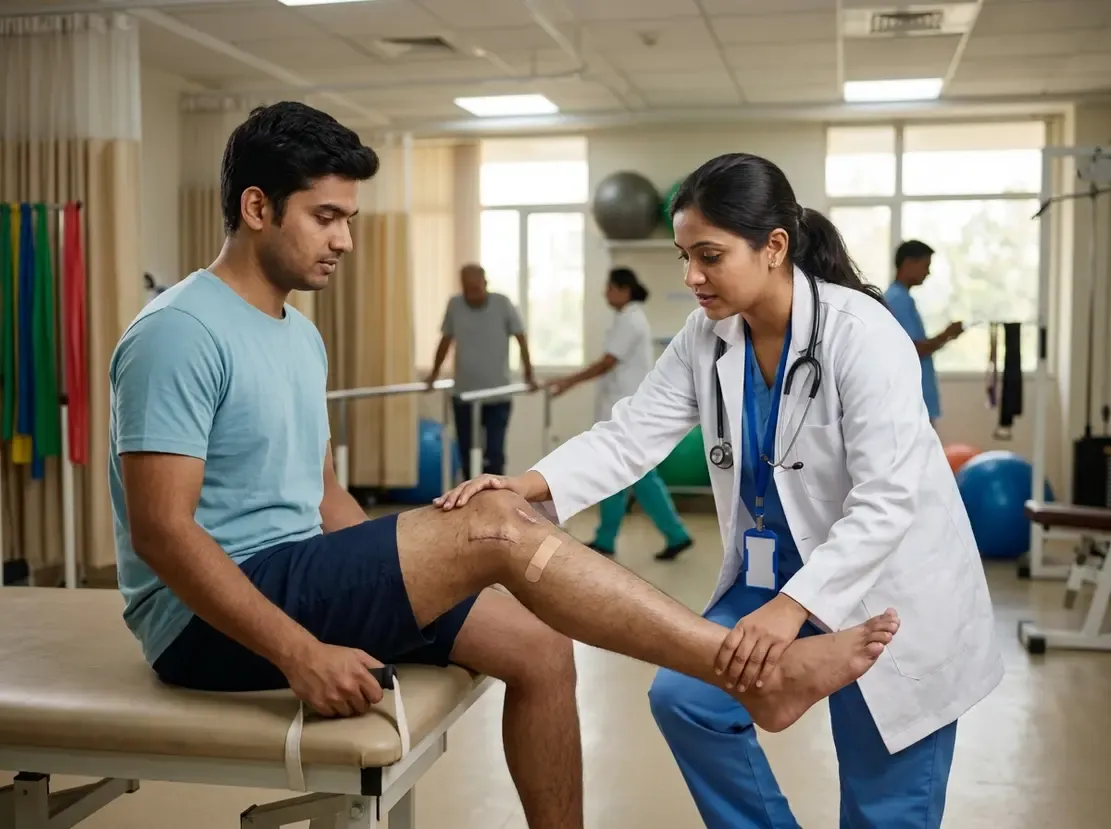
Many young athletes face persistent knee pain months after anterior cruciate ligament reconstruction. In fact, nearly half of these patients develop early symptoms of joint degeneration before age forty. Clinicians frequently encounter individuals who struggle to regain full function during post-surgical rehabilitation. Therefore, structured rehabilitation protocols remain critical to prevent progressive joint deterioration. Recent evidence demonstrates that supervised exercise therapy provides substantial relief for these young adults. Consequently, targeted therapy helps bridge the gap between initial surgery and long-term joint health.
Efficacy of Supervised Exercise Therapy Post-ACLR
The landmark SUPER-Knee clinical trial investigated optimal rehabilitation strategies for persistent post-operative symptoms. Specifically, investigators evaluated 184 young adults aged 18 to 40 years across community settings. All participants experienced chronic knee issues between 9 and 36 months following reconstruction surgery. Furthermore, researchers randomized participants into two distinct treatment pathways. One group completed a four-month, twice-weekly supervised exercise and education program called SUPER. Meanwhile, the control group received a single physiotherapist-led education session with self-directed resources. Investigators primarily measured improvements using the composite Knee injury and Osteoarthritis Outcome Score.
Key Functional Outcomes and Longitudinal Findings
At four months, the SUPER cohort achieved significantly greater functional gains than the control cohort. For instance, the adjusted mean difference in composite KOOS favored supervised therapy by 4.8 points. Additionally, patients undergoing supervised training gained superior thigh muscle strength. Overall, 73% of supervised participants reported substantial pain reduction compared to 40% in controls. However, between-group differences narrowed noticeably by the twelve-month follow-up assessment. This narrowing occurred because self-directed participants continued to improve gradually over time. Nevertheless, the supervised group maintained their initial functional gains throughout the full year.
Cartilage Safety and Practical Clinical Takeaways
Clinicians often worry that progressive loading might accelerate cartilage wear in reconstructed knees. Fortunately, magnetic resonance imaging revealed no adverse changes in cartilage thickness or composition. Supervised progressive exercise proved entirely safe for articular cartilage over the twelve-month period. Thus, therapists can confidently prescribe heavy resistance training without fear of worsening joint pathology. In clinical practice, supervised therapy provides rapid symptom relief and restores patient confidence. Although self-directed resources help over time, guided rehabilitation accelerates recovery during vital functional windows. Ultimately, adopting structured exercise programs can optimize patient satisfaction and protect long-term joint function.
Frequently Asked Questions
Q1: What are the main benefits of supervised exercise therapy after ACL reconstruction?
Supervised exercise therapy provides rapid improvements in knee pain, daily function, and thigh muscle strength compared to self-directed rehabilitation.
Q2: Does intensive resistance exercise damage knee joint cartilage after ACL surgery?
No. Magnetic resonance imaging demonstrated no deleterious changes in cartilage thickness or composition following four months of supervised progressive exercise.
Q3: How do long-term outcomes compare between supervised and self-directed rehabilitation?
Supervised therapy delivers faster recovery at four months, but self-directed exercise catches up by twelve months as patients continue to improve.
References
- Culvenor AG et al. Exercise Therapy and Education for Young Adults With Persistent Knee Problems After Anterior Cruciate Ligament Reconstruction : A Randomized Clinical Trial. Ann Intern Med. 2026 Sep 29. doi: 10.7326/ANNALS-26-02460. PMID: 42804769.
- Driban JB, et al. A SUPER way to avoid the lost decades of care after anterior cruciate ligament reconstruction. Ann Intern Med. 2026.
- Couch JL, West TJ, Oei EHG, et al. Knee osteoarthritis on magnetic resonance imaging in young adults with persistent knee problems after anterior cruciate ligament reconstruction: Prevalence and association with early-stage osteoarthritis clinical criteria. Osteoarthritis Cartilage. 2026;34(Suppl 1):S1-S2.