
Cardiology continues to stand at the vanguard of medical progress, combining clinical rigour with some of the most transformative technological developments seen in modern healthcare. Over the past two decades, advances in cardiovascular science and technology have redefined how clinicians diagnose, monitor, and manage heart disease. As we move deeper into the next decade, future innovations in cardiology promise to further elevate care standards — but they will also demand that practitioners remain constantly agile and informed.
For MBBS and MD doctors, appreciating these shifts is not just a matter of academic interest but an essential step towards maintaining clinical relevance, patient trust, and professional credibility in an increasingly globalised healthcare ecosystem.
AI-Assisted Cardiac Diagnostics: The New Clinical Ally
Perhaps the most disruptive force shaping the future of cardiology is artificial intelligence (AI). Once a theoretical aspiration, AI-powered tools are now routinely deployed in leading cardiac units to augment decision-making and accelerate diagnostic accuracy.
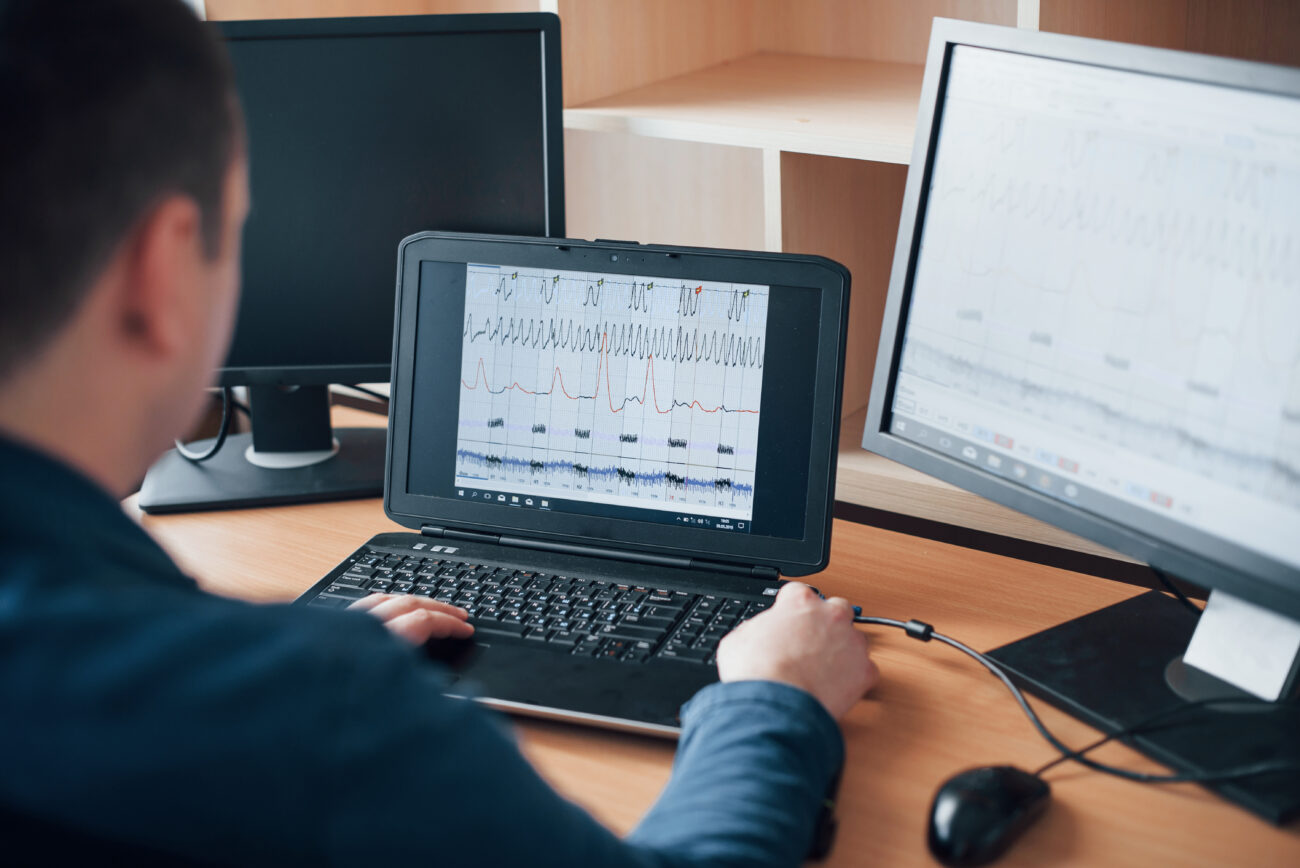
For example, deep learning algorithms can analyse ECG tracings in seconds, reliably flagging subtle patterns of arrhythmia or ischaemic changes that might be missed during hurried manual review. AI-driven echocardiography platforms automate chamber measurements, detect valvular lesions, and provide instant quantification of ejection fraction, liberating precious physician time for patient counselling and treatment planning.
Doctors engaging with an online AI cardiology course gain exposure to real-world AI applications, learn to interpret algorithm-generated reports critically, and understand when to trust — or override — AI suggestions with clinical judgement. As algorithms mature, balancing human intuition with machine efficiency will be an indispensable competency for every modern cardiologist.
Telecardiology: Bridging Gaps, Expanding Reach
Another cornerstone of emerging cardiology technology is telecardiology — the remote diagnosis and management of cardiac conditions using telecommunication tools. What was once considered an adjunct has become a mainstay, particularly highlighted during the COVID-19 era when physical consultations were curtailed.
Through secure video calls, doctors can assess post-intervention patients, review ECGs and ECHOs transmitted from peripheral clinics, and adjust therapy without requiring repeated hospital visits. Rural outreach has benefited enormously: patients in tier-two and tier-three towns can consult reputed specialists without the costs and delays of long-distance travel.
For practitioners, acquiring virtual cardiologist training is more than learning to use a camera; it involves mastering remote patient examination techniques, interpreting digital test uploads in real-time, and maintaining empathetic communication across screens. Well-structured telecardiology modules, like those embedded in OC Academy’s programmes, prepare doctors to deliver high-quality care even outside the traditional clinic walls.
Remote Monitoring Devices: Empowering Patients, Informing Doctors
Wearable technology has revolutionised chronic cardiac care, shifting part of the monitoring burden from the clinic to the patient’s daily environment. Smartwatches capable of recording single-lead ECGs, patch-based monitors tracking rhythm continuously for weeks, and implantable loop recorders have become increasingly mainstream.
For conditions such as atrial fibrillation, which often elude standard ECGs, these devices provide invaluable longitudinal data, helping to fine-tune anticoagulation therapy and prevent strokes. Similarly, heart failure patients can use remote sensors to transmit real-time fluid status or heart rate trends, prompting timely medication adjustments and reducing hospital readmissions.
Mastering this wave of patient-generated health data is an emerging skill in itself. A robust cardiology tech online training module helps doctors interpret raw streams of rhythm strips, identify clinically actionable alerts, and educate patients on the appropriate use of these tools to avoid data misinterpretation.
Breakthroughs in Heart Failure and Arrhythmia Management
While technology garners headlines, pharmacological and procedural innovations continue to reshape cardiology practice. Heart failure, once a condition of limited therapeutic options, now sees novel agents such as SGLT2 inhibitors and ARNI therapies that improve survival and quality of life. For rhythm disorders, advanced ablation techniques, cryotherapy, and precision mapping systems have made arrhythmia cure rates more predictable and procedures safer.
A future-ready cardiologist must therefore integrate these pharmacological advances with diagnostic mastery and device programming. This multidimensional expertise cannot be acquired passively; structured modules focusing on emerging therapies, combined with practical simulation cases, foster confidence when translating new evidence into bedside decisions. A targeted Certificate course in heart failure and heart valve disease complements this by deepening understanding of condition-specific management and echo-based follow-up.
Courses like OC Academy’s learning tracks help bridge this knowledge-action gap, combining current guideline reviews with patient-based scenarios.
The Imperative of Continuous Learning
Given the accelerating pace of discovery, resting on past training is not an option. Cardiology as a field demands a mindset of lifelong scholarship. Guidelines change, device algorithms update, and new risk models emerge. Even the best-resourced hospital must rely on its doctors to remain vigilant and adaptable.
Doctors who commit to continuous professional development stand out not merely for exam scores but for their ability to deliver care aligned with international standards — an advantage that strengthens patient trust and career mobility alike. Engaging with comprehensive, modular learning frameworks — blending virtual cardiologist training with real-case simulations — helps clinicians absorb cutting-edge science without stepping away from busy practice. For doctors keen to integrate global prevention strategies, an MSc in Preventative Cardiovascular Medicine provides structured, guideline-aligned insights into risk factor modification and population health approaches.”
How OC Academy Supports Future-Ready Cardiology Learning
OC Academy, through its collaborations with globally recognised academic institutions, curates online modules that directly address the evolving landscape of heart care. Whether a doctor wants to deepen proficiency in AI-guided diagnostics, learn the nuances of teleconsultations, or master remote monitoring data, each module is designed to be evidence-backed, simulation-rich, and flexible enough to fit around clinical duties.
These resources do not supplant core MD or DM pathways but ensure that what doctors learn today remains relevant tomorrow. For any doctor keen to understand cardiologist course details before investing time and effort, OC Academy provides clear, transparent guidance on learning outcomes, faculty credentials, and practical value.
Conclusion
The future of cardiology is undeniably bright but equally demanding. From AI-powered ECG analysis to remote patient monitoring and novel drug regimens, the skillset expected of cardiologists continues to expand. Keeping pace with these innovations is not just a career strategy but a professional responsibility towards patients who trust their lives to timely, informed decisions.
By investing in credible, up-to-date training — whether through short online modules or comprehensive hybrid programmes — doctors can ensure they remain at the forefront of this dynamic field. In an era when heart disease remains the world’s leading killer, the doctor who blends human clinical acumen with mastery of modern tools is the one who will lead the next era of cardiac care.
FAQs
1. What are the key future innovations shaping cardiology practice?
Key innovations include AI-assisted cardiac diagnostics, telecardiology, advanced remote monitoring devices, new pharmacological agents for heart failure, and improved techniques for arrhythmia treatment. Together, these advancements are transforming how heart disease is detected, managed, and prevented.
2. How is artificial intelligence improving cardiac diagnostics?
AI algorithms now support faster and more precise interpretation of ECGs, echocardiography, and cardiac imaging. This helps identify subtle abnormalities, automate measurements, and assist doctors in making accurate, evidence-based decisions.
3. Why is telecardiology becoming increasingly important?
Telecardiology allows physicians to diagnose and manage heart conditions remotely, extending specialist care to rural and underserved areas. It also makes follow-up care more convenient for patients, reducing unnecessary hospital visits.
4. How do wearable and remote monitoring devices benefit cardiac patients?
Wearables and implantable monitors continuously transmit heart rhythm and vital sign information, enabling physicians to identify issues early, make real-time adjustments to treatment, and avoid complications such as stroke or worsening heart failure.
5. What is the best way for doctors to stay updated on emerging cardiology technologies?
Continuous learning through accredited online modules, simulation-based training, and hybrid programmes ensures doctors understand and apply new technologies confidently. OC Academy offers structured learning pathways that are aligned with the latest international guidelines.