
Tackling Tobacco Dependence to Reduce India's Stroke Risk
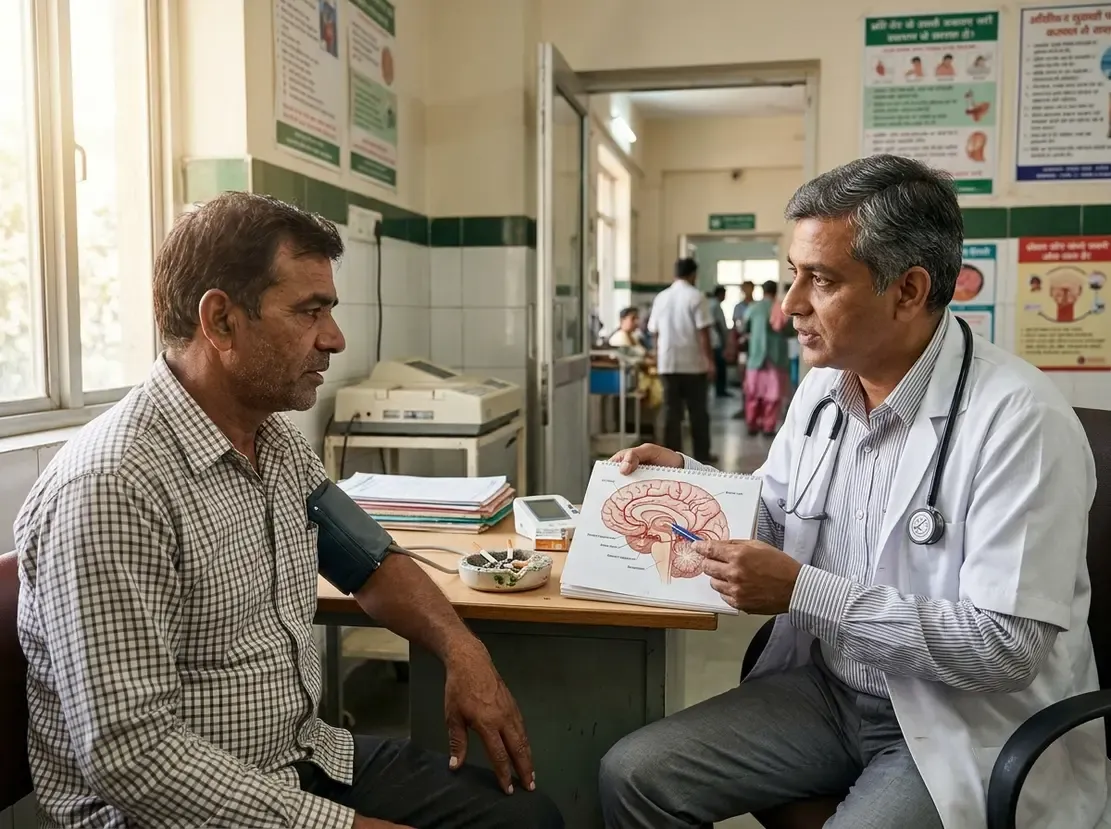
India faces a dual challenge in cardiovascular care as tobacco dependence fuels an escalating stroke crisis. High systolic blood pressure accounts for 56 percent of stroke deaths, whereas tobacco use contributes to 12 percent. Therefore, public health experts emphasize that clinical interventions must move beyond simple awareness campaigns. Healthcare systems must integrate structured cessation pathways to protect at-risk populations.
The Interplay Between Tobacco Dependence and Stroke Risk
Smoking damages the vascular endothelium and accelerates atherosclerotic plaque formation. Furthermore, tobacco exposure triggers systemic inflammation and promotes pathological blood clot formation within cerebral vessels. In India, people consume tobacco via cigarettes, bidis, and smokeless products like gutkha and khaini. Consequently, nicotine addiction requires tailored clinical support rather than reliance on personal willpower alone. Doctors must actively identify nicotine use during routine clinical consultations.
Strengthening Clinical Cessation and Hypertension Management
Neurologists stress that stroke is increasingly striking younger adults across India. However, delayed recognition of early symptoms often compromises acute interventions. Common signs include facial drooping, unilateral arm weakness, speech slurring, and sudden vision loss. In addition, patients must maintain rigorous control over blood pressure and blood glucose levels. Clinicians should provide access to nicotine replacement therapy alongside structured behavioral counseling. Thus, comprehensive primary care intervention remains essential to curb preventable strokes.
Frequently Asked Questions
Q1: Why is tobacco dependence considered a major stroke risk in India?
Tobacco damages blood vessel walls and promotes intravascular thrombosis. Consequently, it significantly raises the incidence of ischemic strokes, especially alongside uncontrolled hypertension.
Q2: What forms of tobacco drive stroke risk among Indian patients?
Both smoked products, such as bidis and cigarettes, and smokeless forms like khaini and gutkha pose substantial vascular hazards. Therefore, clinicians must assess all types of consumption.
Q3: Which early stroke warning signs require immediate medical attention?
Patients must recognize sudden facial drooping, unilateral limb weakness, speech difficulties, and acute balance problems. Seeking emergency care immediately prevents irreversible brain tissue damage.
References
- Tobacco dependence must be addressed to reduce India's stroke burden: Experts - ETHealthworld
- Feigin VL, et al. Global, regional, and national burden of stroke and its risk factors, 1990–2021: a systematic analysis for the Global Burden of Disease Study 2021. Lancet Neurol. 2024;23(10):973–1003.
- World Health Organization. Tobacco Control in India: Country Profile and Health Toll. Geneva: WHO; 2024.


