
Understanding Heat-Related Mortality and Clinical Risks
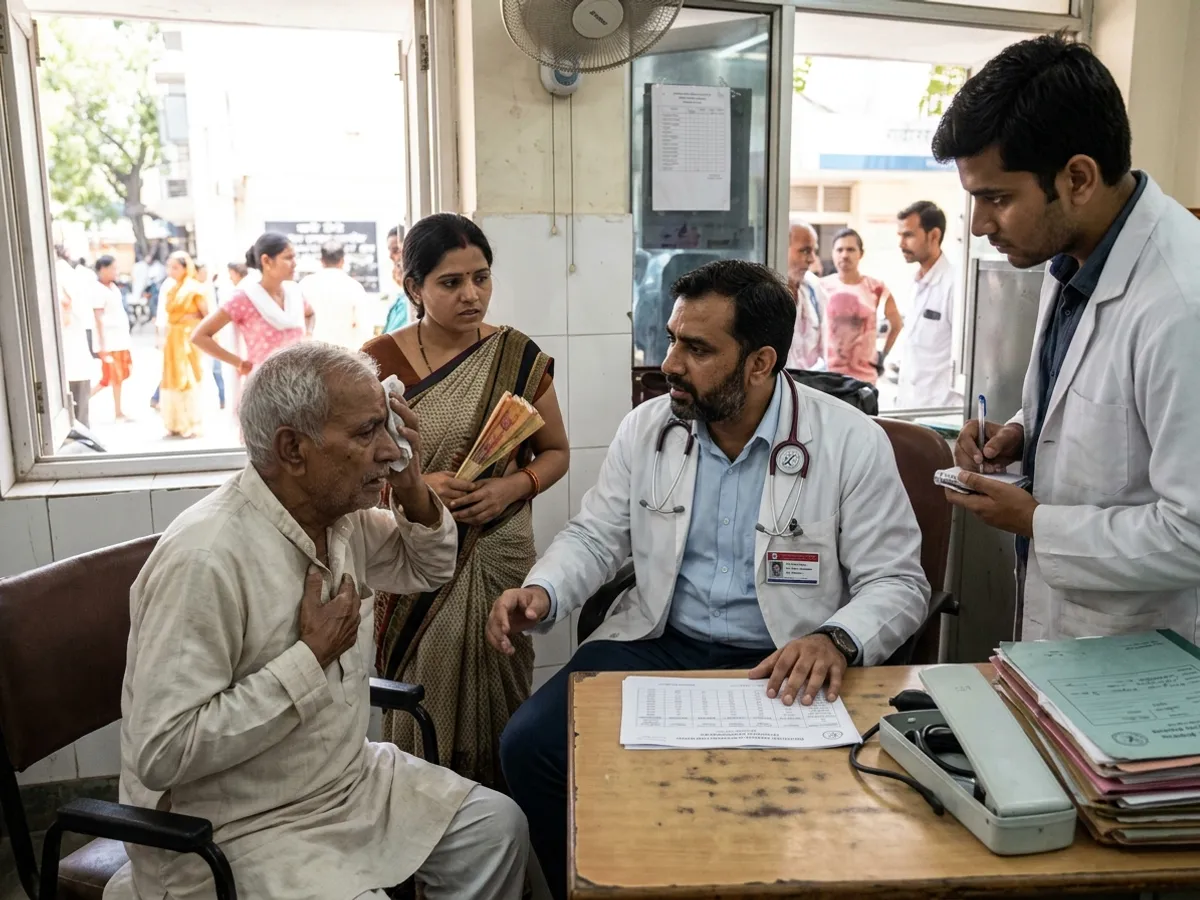
Recent epidemiological reports highlight a dramatic surge in heat-related mortality across Europe, with Germany recording approximately 14,000 heat-related deaths during severe summer heatwaves. Consequently, healthcare professionals worldwide must understand the underlying physiological mechanisms connecting extreme ambient temperatures with fatal cardiovascular and respiratory events. Although classic heatstroke represents an immediate medical emergency, most heat-induced fatalities stem from the acute aggravation of pre-existing chronic conditions.
Pathophysiological Drivers of Heat-Related Mortality
Extreme thermal stress places immense pressure on human cardiovascular and thermoregulatory systems. When ambient temperatures rise above normal physiological limits, cutaneous vasodilation increases blood flow to the skin to dissipate heat. However, this vascular response significantly elevates cardiac workload and heart rate. Therefore, patients with underlying coronary artery disease or heart failure face an increased risk of acute decompensation. In addition, severe dehydration and hemoconcentration promote hypercoagulability, which markedly elevates the incidence of ischemic strokes and myocardial infarction.
Clinical Vulnerabilities and Risk Stratification
Elderly individuals represent the demographic most vulnerable to extreme heat exposure. Specifically, aging diminishes autonomic thermoregulatory capacity, sudomotor function, and thirst sensation. Furthermore, common pharmacotherapies can severely impair heat adaptation. For example, diuretics exacerbate hypovolemia, while beta-blockers limit compensatory cardiac output increases during thermal stress. Additionally, anticholinergic medications and psychotropic drugs often suppress sweating. Clinicians must actively identify these high-risk patients during routine clinical encounters before seasonal heatwaves peak.
Preventive Measures and Hospital Preparedness
Effective heat mitigation requires comprehensive clinical guidance and robust facility infrastructure. Healthcare facilities and nursing homes require adequate indoor cooling to protect frail patients. Moreover, clinicians should counsel vulnerable individuals on scheduled hydration, medication monitoring, and ambient temperature management. In conclusion, adapting clinical practice to rising global temperatures remains essential to minimize preventable fatalities.
Frequently Asked Questions
Q1: Why does extreme heat trigger cardiovascular mortality rather than direct heatstroke?
Thermal stress forces significant peripheral vasodilation and increased heart rate to shed heat. Consequently, this cardiovascular strain and accompanying dehydration exacerbate pre-existing ischemic disease, arrhythmias, or heart failure.
Q2: Which patient populations face the highest risk during extreme heatwaves?
Adults aged 75 and older, individuals with pre-existing cardiovascular or renal disease, and patients taking diuretics or beta-blockers face the highest clinical vulnerability.
Q3: How can physicians adjust clinical management during intense heatwaves?
Physicians can assess fluid balance, review dosage of diuretics and antihypertensives, and educate patients on maintaining adequate indoor cooling and hydration.
References
- Germany logged 14,000 heat-related deaths this summer: govt data - ETHealthworld
- Robert Koch Institute - Heat-Related Mortality Surveillance and Reports
- World Health Organization - Heatwaves and Health: Guidance on Warning-System Development


