Can an AI Voice Companion Ease Dementia Care in India?
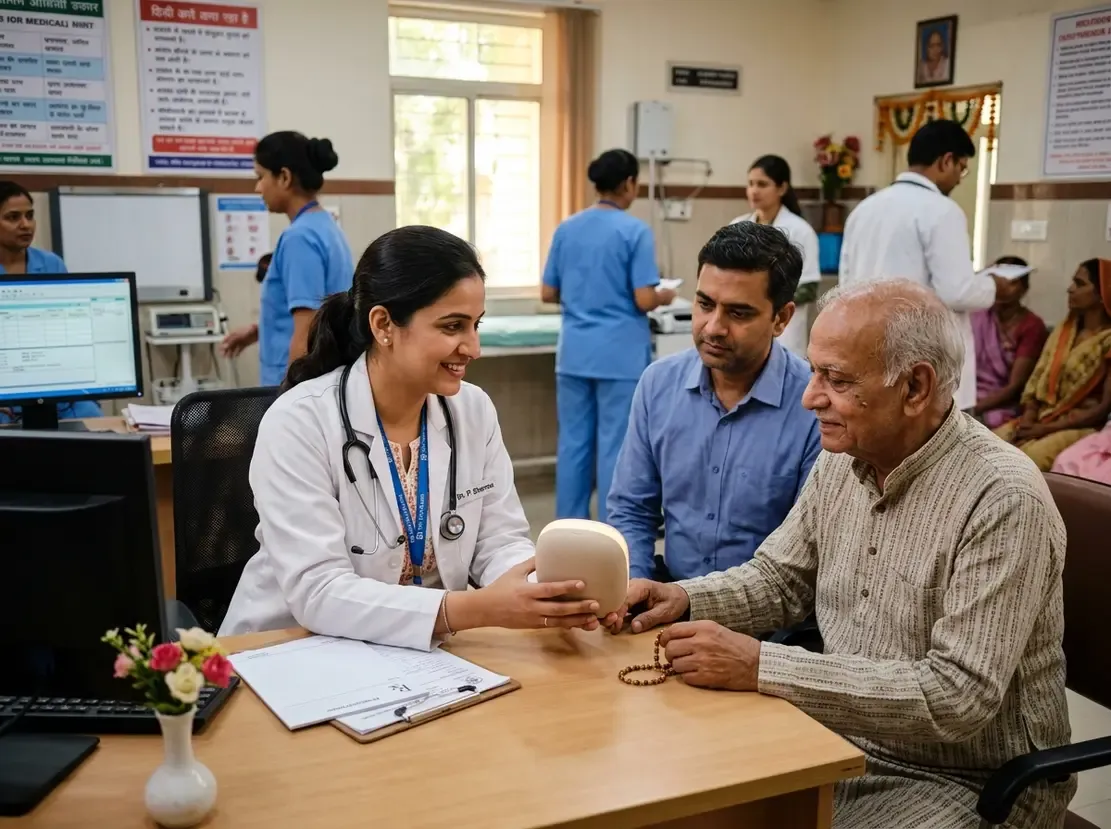
Dementia places a devastating emotional toll on Indian families. Today, adopting a supportive voice companion for dementia can transform daily patient engagement. In India, over eight million people currently live with progressive cognitive decline. Most individuals rely on family caregivers who juggle intense daily responsibilities. Therefore, innovative non-pharmacological tools offer much-needed hope for managing neurocognitive decline through professional upskilling via a specialized Certification Course In Dementia.
Clinical Potential of a Voice Companion for Dementia
Managing behavioral and psychological symptoms of dementia presents severe clinical hurdles. Agitation, anxiety, and aggression often exhaust primary caregivers. Recently, a novel AI solution named Smriti demonstrated measurable behavioral improvement. In a clinical evaluation of over 400 patients, Smriti achieved a 32 percent reduction in behavioral symptoms. Specifically, investigators documented this decline using the Neuropsychiatric Inventory scale. Furthermore, the platform delivers familiar voices directly through WhatsApp. Consequently, elderly patients require no unfamiliar devices or technical training. As a result, patients engage calmly in daily morning dialogues.
Easing the Burden on India's Sandwich Generation
Adult children in their 40s and 50s provide most home-based dementia care in India. Sociologists describe these hard-pressed working adults as the sandwich generation. They support their aging parents while simultaneously raising their own children. However, relentless caregiving demands cause substantial chronic guilt and psychological fatigue. In addition, caregivers cannot remain physically present throughout each day. Smriti bridges this gap by providing consistent, warm interactions in a familiar loved one's voice. Moreover, the system functions as an early warning alert. If conversational responses deteriorate unexpectedly, the technology notifies the family immediately. Thus, physicians can identify cognitive shifts earlier during routine geriatric follow-ups supported by insights from a Certificate Program In Family Medicine.
Evidence-Based Design in Non-Pharmacological Care
Non-pharmacological strategies serve as essential first-line options for dementia management. Pharmacotherapy frequently causes significant adverse effects in frail geriatric patients. In contrast, voice-based reminiscence and auditory familiarity soothe distressed minds without pharmacological risks. Smriti's creators developed conversational scripts grounded in established clinical research. For example, their work builds upon standard ADAS-Cog measurement frameworks and published cultural cognitive studies. Furthermore, the technology team focused heavily on conversational warmth and natural pacing. Because familiar auditory cues trigger preserved emotional pathways, patients retain a strong sense of comfort. Therefore, integrating digital companion technology offers a valuable adjunct to conventional geriatric treatment.
Frequently Asked Questions
Q1: What is Smriti and how does it assist dementia patients?
Smriti is an AI voice companion tailored for individuals with dementia. The platform clones a loved one's voice to hold daily morning conversations via WhatsApp. Consequently, it calms patients and maintains vital emotional connection.
Q2: What clinical evidence supports Smriti's effectiveness?
In a clinical study of over 400 patients, Smriti reduced agitation, anxiety, and aggression by 32 percent. Furthermore, investigators measured these positive behavioral outcomes using the standardized Neuropsychiatric Inventory scale.
Q3: Does Smriti replace conventional medical treatment for dementia?
No, Smriti does not replace medical treatment or reverse cognitive decline. Instead, it acts as a supportive non-pharmacological tool for everyday behavioral management. In addition, it alerts caregivers when patient communication patterns change.
References
- Smriti: The Voice That Stays When Memory Fades - ETHealthworld
- Angrisani M, Reed NS, Banerjee J, Lee J. Dementia caregiving in India: New evidence from a National representative sample. Alzheimers Dement. 2025;21(5):e70266.
- Tsolaki M, Saoulidis I, Dimitriou T. Non-pharmaceutical interventions for behavioral and psychiatric symptoms in dementia (BPSD). Arch Clin Neuropsychol. 2021;30(1).