How Climate Change Accelerates Waterborne Disease Spread
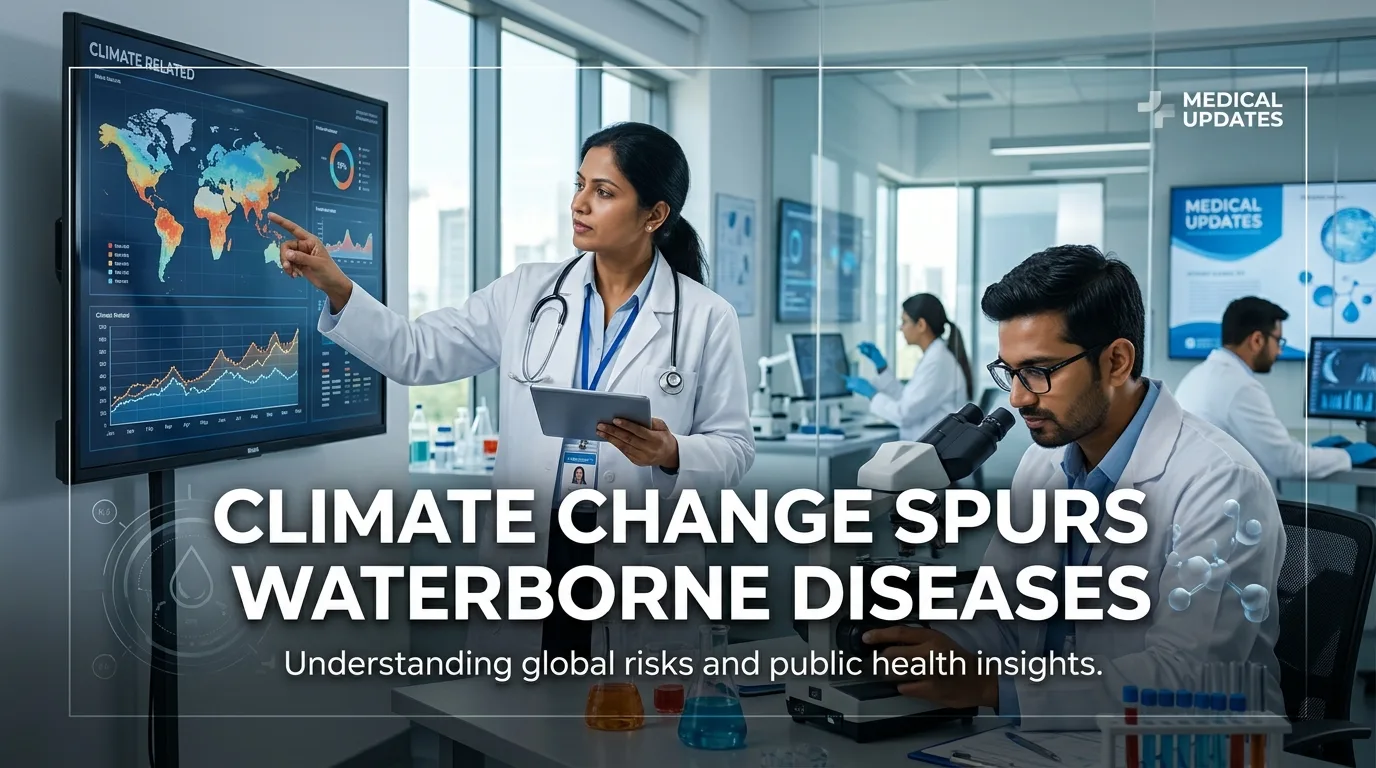
Recent scientific evidence reveals that rapid global warming threatens decades of global progress in sanitation. Specifically, shifting weather patterns are changing waterborne disease risks, making standard prevention efforts less effective. A comprehensive review in Nature Reviews Microbiology highlights that climate change modifies how bacteria, viruses, and parasites spread across the globe. Therefore, public health officials must adapt their strategies to target specific pathogens rather than relying on one-size-fits-all solutions.
Understanding Waterborne Disease Risks in a Changing Climate
Waterborne diseases cause significant illness and death worldwide, particularly in low- and middle-income nations. In addition, researchers historically associated these outbreaks primarily with flooding and heavy rainfall. However, recent data demonstrates that prolonged droughts also escalate waterborne disease risks. When water sources dry up, pathogens concentrate in the remaining water supply. Consequently, people often use contaminated sources for drinking and sanitation, which facilitates rapid disease transmission. Practitioners interested in expanding their expertise to address these challenges in community settings may benefit from the Certification Course In General Practice.
How Rising Temperatures and Extreme Weather Alter Pathogen Behavior
Climate change does not affect all disease-causing microorganisms in the same manner. For instance, warmer temperatures promote the survival and reproduction of bacteria and protozoa. In contrast, viruses like norovirus, rotavirus, and adenovirus generally thrive in cooler, drier environments. Therefore, these viral infections might actually decrease in a warmer world. Meanwhile, extreme weather events like intense rainfall wash fecal pathogens directly into municipal drinking water. Thus, shifting environmental conditions alter the traditional epidemiological triad of the agent, the host, and the environment.
Strategies for Building Climate-Resilient Public Health Systems
As a result, communities must invest heavily in climate-resilient water, sanitation, and hygiene (WASH) infrastructure. Additionally, public health networks should expand pathogen-specific disease surveillance to track localized outbreaks. Furthermore, vaccination programs offer crucial protection, particularly for children under five who suffer the most from diarrheal illnesses—a focus area covered in the International Post Graduate Program In Pediatrics. Ultimately, designing tools for current and future climate conditions remains essential for global health security.
Frequently Asked Questions
Q1: How does climate change increase waterborne disease risks during a drought?
During droughts, water supplies shrink, which concentrates pathogens on the surface of the remaining water. Furthermore, water scarcity forces communities to use unsafe water sources, escalating infection rates.
Q2: Why do different pathogens require distinct public health responses?
Pathogens respond differently to environmental shifts. For example, bacteria grow faster in warm temperatures, whereas viruses prefer cooler, drier conditions. Consequently, public health responses must target specific pathogens to remain effective, often requiring specialized training found in our Postgraduate Diploma In Infectious Disease.
References
- Climate change could undermine progress in reducing waterborne diseases, studyfinds – ETHealthworld
- Levy, K., Kann, R. S., & Carlton, E. J. (2026). Waterborne diseases and climate change. Nature Reviews Microbiology.
- Indian Health Fund. (2025). Climate Change and the Rising Burden of Waterborne Diseases.
Disclaimer: This article was automatically generated from publicly available sources and is provided for informational and educational purposes only. OC Academy does not exercise editorial control or claim authorship over this content. It is not a substitute for professional medical advice, diagnosis, or treatment. Always consult a qualified healthcare provider and refer to current local and national clinical guidelines.