
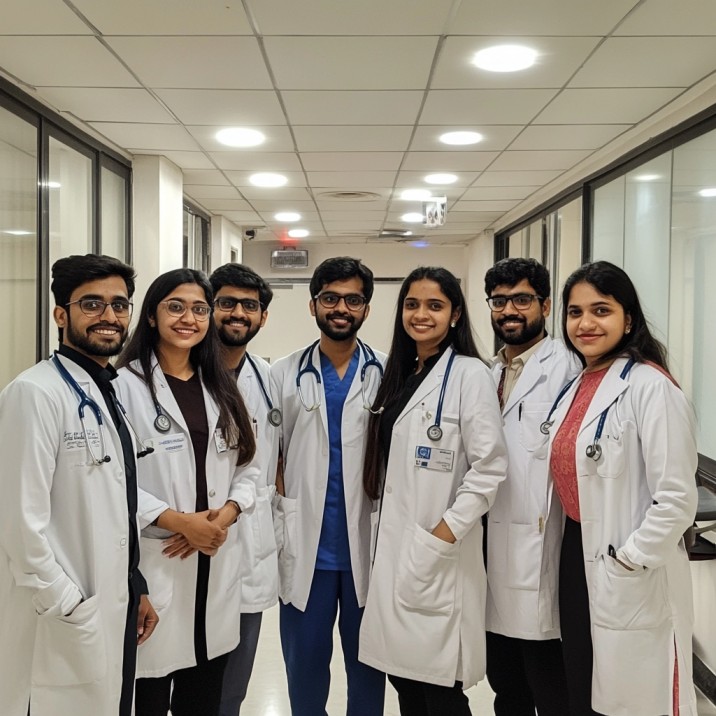
For MBBS students considering a career in radiology, the Fellowship of the Royal College of Radiologists (FRCR) is a crucial qualification to understand. The FRCR is not just a certification; it’s a pathway to becoming a highly skilled and respected radiologist. This blog post aims to provide a detailed understanding of the FRCR, its significance, and why it should be a key consideration for MBBS students in India who are passionate about diagnostic imaging and patient care.
What is FRCR?
The Fellowship of the Royal College of Radiologists (FRCR) is a postgraduate qualification awarded by the Royal College of Radiologists in the United Kingdom. It is a globally recognized benchmark for excellence in clinical radiology and is divided into two main parts:
FRCR Part 1: This is the first hurdle, consisting of written exams covering basic sciences, physics, and anatomy related to radiology. This part of the exam tests foundational knowledge critical for practicing radiology.
FRCR Part 2A: This exam focuses on applied radiological anatomy, techniques, and interpretation of images, using a combination of written and practical based questions.
FRCR Part 2B: This final part is a comprehensive evaluation of clinical knowledge and communication skills through a series of long case and short case examinations. It assesses the ability to interpret images, diagnose conditions, and explain findings to patients and colleagues.
Successful completion of all three parts leads to the award of the FRCR, allowing you to work as a consultant radiologist in the UK. While not a mandatory certification in India, it is highly valued and provides a significant edge in the field of radiology.
Why Should MBBS Students Pursue FRCR?
For MBBS students in India, pursuing FRCR offers numerous advantages:
1. Global Recognition and Career Opportunities:
- International Standards: FRCR is a globally recognized qualification that aligns with international standards of radiological practice.
- Career Prospects: Holding an FRCR can open doors to job opportunities not only in the UK but also in other countries with advanced healthcare systems.
- Enhanced Skills: Pursuing FRCR ensures comprehensive training, making you a competent and confident radiologist.
2. Enhanced Knowledge and Skills:
- Rigorous Training: The FRCR curriculum is structured to provide a deep understanding of all aspects of clinical radiology, enhancing diagnostic skills.
- Advanced Techniques: FRCR training often includes exposure to the latest technologies and techniques in radiology, benefiting a doctor’s overall practice.
- Problem-Solving: The exams emphasize problem-solving skills that are crucial in interpreting complex radiological findings, leading to improved patient care.
3. Professional Development:
- Structured Learning: The FRCR program provides a structured approach to learning and development, essential for continuous professional growth.
- Mentorship and Networking: During the FRCR preparation, students often get the opportunity to connect with senior radiologists.
- Prestige: Holding FRCR adds prestige to your profile, making you a preferred candidate for consultant positions.
4. Patient Care:
- Diagnostic Accuracy: FRCR-trained radiologists are better equipped to accurately interpret images, which can be pivotal in patient diagnosis and treatment.
- Holistic Approach: The FRCR curriculum emphasizes the importance of a holistic approach to patient care, linking radiological findings to clinical presentations.
- Improved Outcomes: By improving diagnostic accuracy and efficiency, FRCR-qualified radiologists help in improving patient outcomes.
FRCR in the Indian Context
While FRCR is not a mandatory requirement to practice in India, it holds considerable value for Indian doctors for several reasons:
- Quality Assurance: FRCR certification assures a high standard of radiological expertise, benefitting patients.
- Career Advancement: The FRCR credential can significantly boost your career prospects.
How to Prepare for FRCR
Preparing for the FRCR requires dedication and a strategic approach:
- Start Early: Begin preparing well in advance.
- Structured Study: Follow a structured study plan.
- Utilize Resources: Use textbooks, online materials, and study groups.
- Practice Exams: Regularly attempt practice questions.
- Mock Tests: Take mock tests to simulate exam conditions.
- Seek Guidance: Get guidance from mentors.
Conclusion
For MBBS students in India aspiring to become radiologists, the FRCR is a valuable qualification that offers global recognition, enhanced skills, and improved career prospects. Although it is not mandatory to practice in India, it demonstrates a commitment to excellence and ensures that you are equipped to provide the highest standards of patient care. The rigorous training, knowledge gained, and professional development opportunities make the FRCR a worthwhile pursuit for any aspiring radiologist.
To delve deeper into the world of radiology and enhance your practical skills, consider exploring our comprehensive Clinical Program in Radiology with FRCR Training at OC Academy, which is designed to help you build a strong foundation for your career in radiology.
Link to OC Academy Clinical Program in Radiology with FRCR Training