
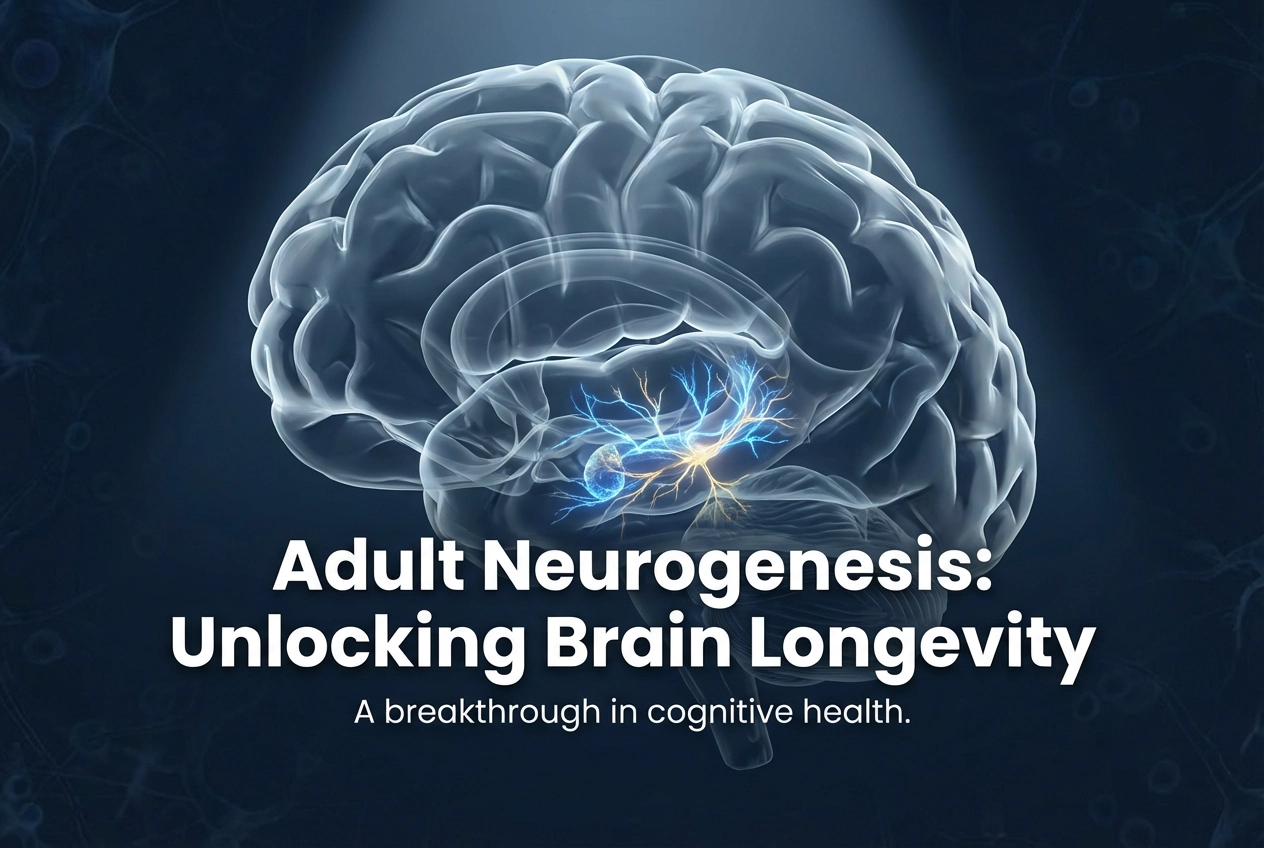
Can the Human Brain Really Renew Itself in Old Age?
For many years, scientists believed that the adult brain was a static organ. However, adult neurogenesis research now proves that we continue to grow new brain cells even in our 80s. Consequently, this discovery offers a new perspective on why some individuals remain mentally sharp while others face cognitive decline. Specifically, a recent paper published in the journal ‘Nature’ highlights the brain’s ability to produce new neurons late in life.
The Role of the Hippocampus and Adult Neurogenesis
Researchers analyzed nearly 356,000 cells using advanced single-cell genetic techniques. These samples came from postmortem brain tissue across various age groups. Furthermore, the study focused on the hippocampus, which is the region vital for learning and memory. The data revealed a clear pathway from neural stem cells to mature neurons. Surprisingly, healthy older adults still showed active neuron formation regardless of their biological age.
In contrast, the process appeared significantly disrupted in individuals with Alzheimer’s disease. While stem cells remained present, their development into functioning neurons was severely impaired. Therefore, the researchers detected early molecular changes years before symptoms appeared. This suggest that maintaining the brain’s regenerative capacity is essential for cognitive resilience. Professionals looking to deepen their understanding of age-related neurological changes might find the Postgraduate Diploma In Neurology highly relevant.
Why SuperAgers Stay Mentally Sharp
The study also examined a unique group known as ‘SuperAgers’. These individuals maintain youthful memory performance well into their 80s and 90s. Specifically, they exhibited robust levels of neuronal renewal. Consequently, their brains seem more adaptable to aging. Experts like Dr. Manjari Tripathi from AIIMS suggest that this reflects high neuronal plasticity. According to her, lifestyle factors play a major role in strengthening this natural repair system.
For instance, physical exercise and a balanced diet create a healthy environment for new cells. Additionally, adequate sleep is crucial for memory consolidation and neuronal sprouting. Stress reduction and strong social networks also contribute to better brain health. Many SuperAgers stay socially engaged and mentally active throughout their lives. Thus, personal habits can directly influence the brain’s ability to renew itself. Understanding the relationship between lifestyle and cognitive function is key to evidence-based recommendations in Family Medicine.
Future Implications for Alzheimer’s Treatment
Dr. Sudhir Kumar, a neurologist at Apollo Hospital, Hyderabad, notes that new neurons help the brain distinguish between similar memories. Although this regenerative pace slows down compared to childhood, it remains functionally vital. If this capacity declines early in Alzheimer’s, future diagnostics could detect the disease sooner. Consequently, treatment might focus on strengthening the brain’s repair systems rather than just clearing toxic proteins. For clinicians focused on the pathology of aging, the Certification Course In Dementia offers valuable insights.
Frequently Asked Questions
Q1: What is adult neurogenesis?
Adult neurogenesis is the biological process of generating new neurons from neural stem cells in the adult brain, particularly within the hippocampus.
Q2: How does Alzheimer’s disease affect new brain cell growth?
In Alzheimer’s disease, the development of stem cells into mature neurons is disrupted, leading to significantly fewer functioning brain cells compared to healthy aging.
Q3: Can lifestyle choices improve brain regeneration?
Yes, habits such as regular exercise, a healthy diet, adequate sleep, and maintaining social connections can strengthen the brain’s plasticity and support the growth of new neurons.
References
- Human brain can grow new cells, remain sharp even in 80s: Study – ETHealthworld
- Disouky A, et al. (2026). Human hippocampal neurogenesis in adulthood, ageing and Alzheimer’s disease. Nature.
- Northwestern University Mesulam Institute. (2026). Genetic markers of cognitive resilience in SuperAgers.
Disclaimer: This article was automatically generated from publicly available sources and is provided for informational and educational purposes only. OC Academy does not exercise editorial control or claim authorship over this content. It is not a substitute for professional medical advice, diagnosis, or treatment. Always consult a qualified healthcare provider and refer to current local and national clinical guidelines.