Do AI Diet Plans Really Improve Long-Term Patient Health?
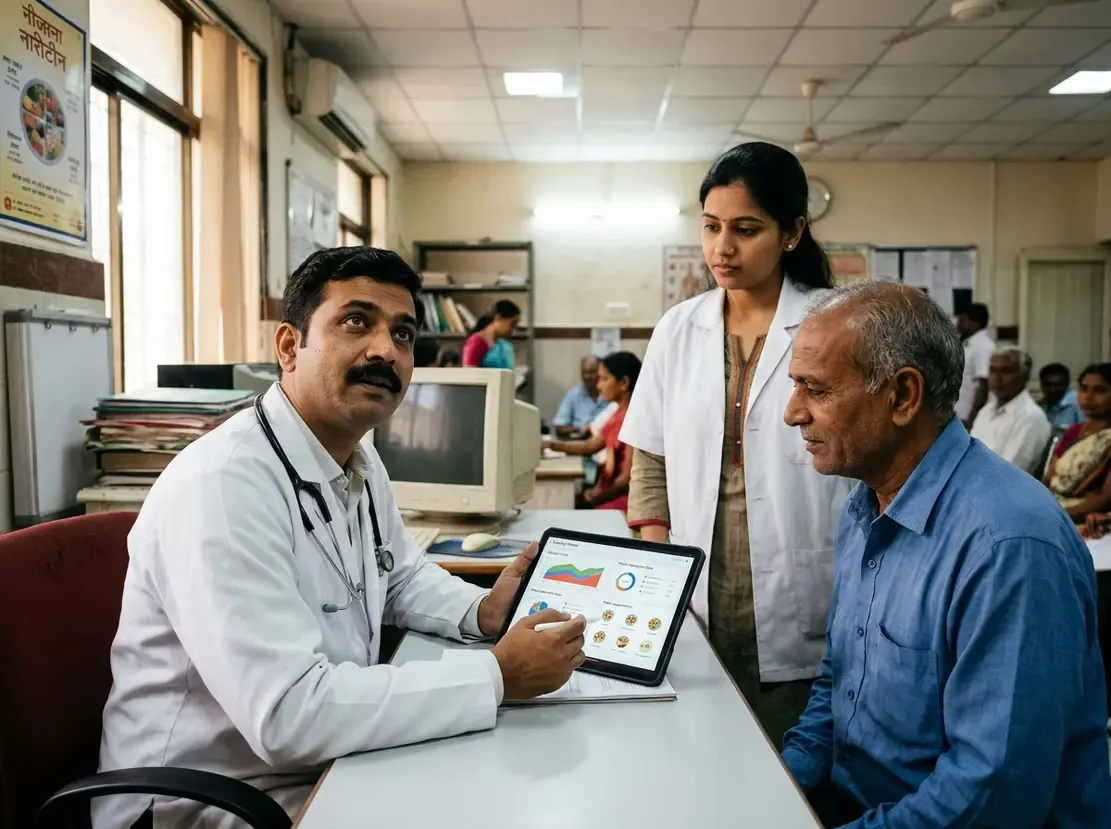
Digital health platforms rapidly promote algorithm-driven nutrition to address lifestyle disorders. However, AI diet plans require rigorous clinical validation before physicians endorse them. Many wellness apps celebrate daily photo logging, calorie counts, and active user subscriptions. Yet, genuine health improvement requires measurable biomarker changes rather than mere digital interaction.
Clinical Outcomes Versus User Engagement in AI Diet Plans
Healthcare leaders emphasize a fundamental distinction between platform activity and true clinical impact. For example, an individual might log meals diligently without experiencing any real metabolic benefit. In diabetes management, sustained reductions in HbA1c matter far more than app engagement metrics. Consequently, digital health platforms must document improvements in glycemic control, lipid profiles, and blood pressure.
Furthermore, relying solely on weight reduction creates a distorted picture of patient wellness. Rapid weight loss often masks severe muscle depletion or critical micronutrient deficits. Therefore, clinicians must assess body composition, visceral fat, and functional metabolic indicators. Digital therapeutics must ultimately demonstrate objective, reproducible health gains across diverse patient populations.
The Necessity of Multidisciplinary Clinical Supervision
Chronic disease management demands coordinated care that generic software cannot replace alone. For instance, managing type 2 diabetes alongside dyslipidemia involves complex pharmacological and dietary interactions. A standardized algorithm might overlook renal impairment, medication adjustments, or subtle food allergies. Hence, medical doctors must direct therapeutic decisions while certified clinical nutritionists guide daily meal regimens.
In addition, India's profound dietary diversity poses unique computational challenges. Western nutritional algorithms rarely comprehend traditional Indian meals built around regional staples, pulses, and specific cooking oils. As a result, algorithmic tools frequently misjudge macronutrient distributions. Medical teams must supervise artificial intelligence to safeguard patient safety and ensure culturally appropriate dietary guidance.
Long-Term Adherence and Transparent Reporting Standards
Short intervention windows of eight to twelve weeks rarely prove sustained lifestyle transformation. Indeed, patients frequently regain lost weight once intense digital coaching and automated push notifications stop. Long-term studies evaluating six-month and twelve-month outcomes are therefore essential to verify enduring metabolic efficacy.
Moreover, digital nutrition companies must address high attrition rates transparently. Platforms often boast impressive success rates by ignoring users who drop out early. To establish clinical credibility, companies should report intention-to-treat figures alongside completer analyses. Similarly, healthcare providers require open disclosure of clinical trial methodologies, adverse events, and statistical analyses before integrating these platforms into standard clinical practice.
Frequently Asked Questions
Q1: Why are digital engagement metrics insufficient to evaluate AI diet plans?
App downloads, calorie logging, and meal photos only measure user compliance with software. However, they do not verify whether systemic inflammation, HbA1c levels, or arterial blood pressure have improved clinically.
Q2: Can artificial intelligence replace a clinical nutritionist or diabetologist?
No, artificial intelligence serves merely as an analytical assistant. Consequently, qualified physicians and nutritionists must oversee clinical diagnoses, drug-nutrient interactions, and personalized treatment plans.
Q3: How does Indian dietary diversity complicate automated diet generation?
Standard algorithms often rely on Western nutritional databases. Therefore, they struggle to evaluate complex regional Indian dishes, varied cooking mediums, and diverse cultural dietary patterns accurately.
References
- AI-Powered Diet Plans needs a Clinical Reality Check - ETHealthworld
- Artificial Intelligence Applications to Personalized Dietary Recommendations: A Systematic Review - PMC
- The Use of Digital Therapeutics in the Management of Chronic Diseases: State of the Art, Evidence and Prospects - ResearchGate