AI-Driven Nutrition: Why Tech Needs Cultural Validation

Modern healthcare increasingly relies on digital platforms to address chronic metabolic disorders. Consequently, AI-driven nutrition has emerged as a promising frontier in preventive medicine across India. Experts at the ETHealthworld Nutriwell Conclave 2026 emphasized that digital algorithms must combine computational innovation with rigorous clinical validation. Furthermore, technological tools must respect India's vast cultural and regional dietary diversity. Without clinical oversight, automated dietary applications risk promoting unsustainable nutritional habits.
The Role of AI-Driven Nutrition in Clinical Practice
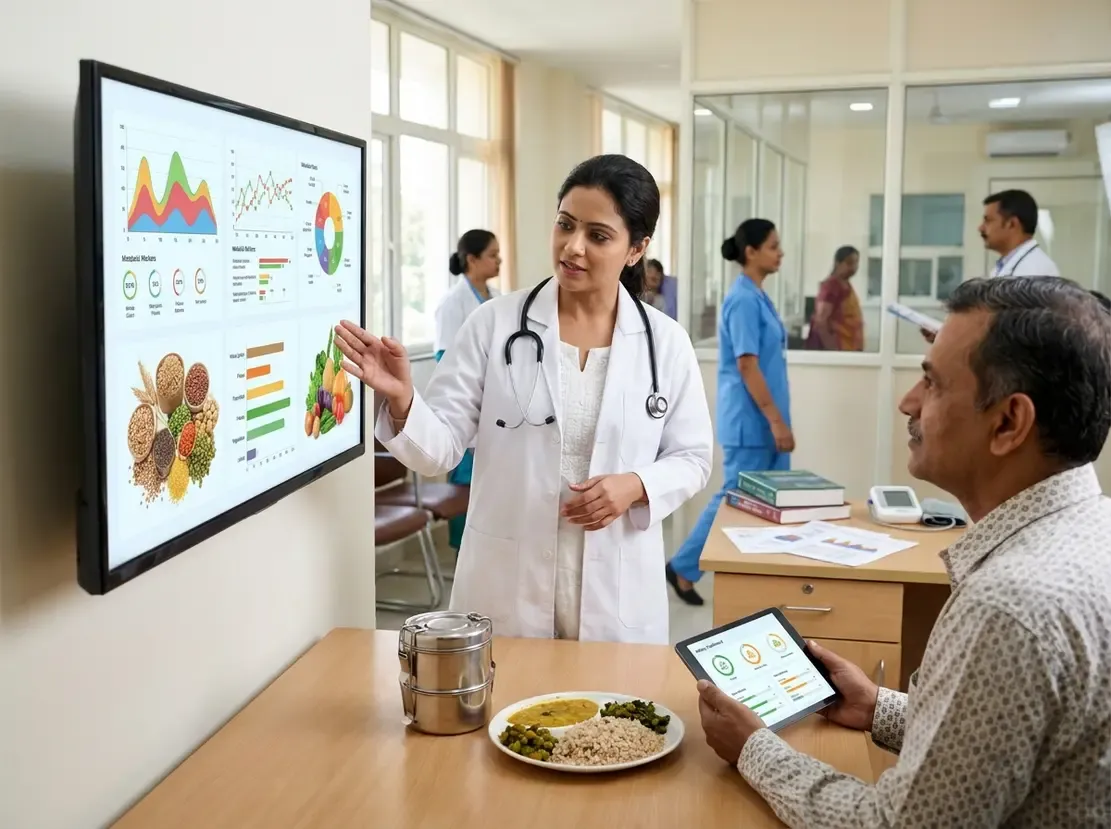
Metabolic dysfunction currently drives an alarming surge in non-communicable diseases across urban and rural India. Therefore, early detection of dietary risk factors remains essential for long-term health preservation. Dr. Naval Kishore Vikram from AIIMS New Delhi emphasized that artificial intelligence can track dietary patterns and identify metabolic vulnerabilities early. However, he strongly cautioned against an excessive clinical focus on isolated macronutrients, particularly protein supplementation. Instead, clinicians should advocate a balanced, food-first philosophy that prioritizes diverse whole foods. Similarly, Dr. Mona Duggal from ICMR underscored the necessity of integrating public and private healthcare data. As a result, population-specific digital interventions can become accessible to underserved communities. Technology can significantly expand screening capacity when implemented thoughtfully.
Computational Gastronomy and Cultural Food Science
Standardized Western dietary protocols frequently fail in Indian clinical settings because they ignore indigenous culinary traditions. In contrast, computational gastronomy bridges traditional culinary knowledge with advanced data science. Dr. Ganesh Bagler from IIIT-Delhi highlighted that algorithmic modeling can analyze complex recipe structures and molecular flavor profiles. Consequently, machine learning can generate healthy, culturally resonant meals that patients actually enjoy eating. Moreover, culinary interventions must undergo rigorous experimental and nutritional validation before bedside deployment. When data-driven food science respects cultural heritage, patient compliance with therapeutic lifestyle modifications improves significantly. Thus, digital meal formulation holds immense potential for sustainable preventative care.
Personalized Clinical Assessments Versus Automated Algorithms
Despite the rapid proliferation of wellness applications, digital tools cannot replace individualized clinical assessments. Ruchika Jain, Chief Dietician at Fortis Vasant Kunj, warned that algorithms often fail to capture subtle clinical nuances. Specifically, automated platforms may overlook underlying organ dysfunction, micronutrient deficiencies, and eating behaviors. Furthermore, misleading digital marketing often promotes extreme dietary fads that harm vulnerable individuals. Dietitians and physicians must actively guide patients toward evidence-based nutritional choices. In addition, food industry leaders like Shilpa Wadhwa from Nestlé India stressed the necessity of responsible product reformulation. Industry stakeholders must balance nutritional quality with consumer palatability through transparent, science-backed methodologies. Ultimately, clinical judgment must always steer technological integration.
Actionable Takeaways for Indian Clinicians
Clinicians can take concrete steps to navigate this evolving technological landscape effectively. First, physicians should leverage validated digital monitoring tools to identify metabolic risks before overt disease appears. Second, medical professionals must encourage patients to prioritize wholesome culinary diversity over commercial supplements. Third, practitioners should address online dietary misinformation proactively during routine outpatient consultations. Finally, researchers and healthcare systems must champion equitable access to digital health solutions across diverse socioeconomic groups.
Frequently Asked Questions
Q1: How does AI-driven nutrition differ from standard dietary advice?
Standard dietary advice often offers generic recommendations that overlook individual metabolic variations. In contrast, AI-driven nutrition evaluates granular lifestyle, biological, and culinary data to provide personalized, culturally appropriate guidance.
Q2: Why should clinicians prioritize a food-first approach over isolated nutrient supplements?
Excessive focus on isolated nutrients often leads to unbalanced eating habits and unnecessary commercial supplementation. Therefore, a food-first approach delivers complex micronutrient matrices and dietary fiber essential for metabolic health.
Q3: Can mobile nutrition apps replace clinical dietitians?
No, mobile applications cannot replace qualified clinical dietitians. While digital tools assist with daily dietary tracking, experienced professionals must manage clinical complexities, comorbidities, and behavioral adjustments.
References
- AI-driven nutrition must combine cultural relevance with scientific validation:Experts - ETHealthworld
- Goel M, Bagler G. Computational gastronomy: A data science approach to food. J Biosci. 2022;47:12.
- Anjana RM, et al. Dietary profiles and associated metabolic risk factors in India from the ICMR-INDIAB study. Lancet Diabetes Endocrinol. 2023.