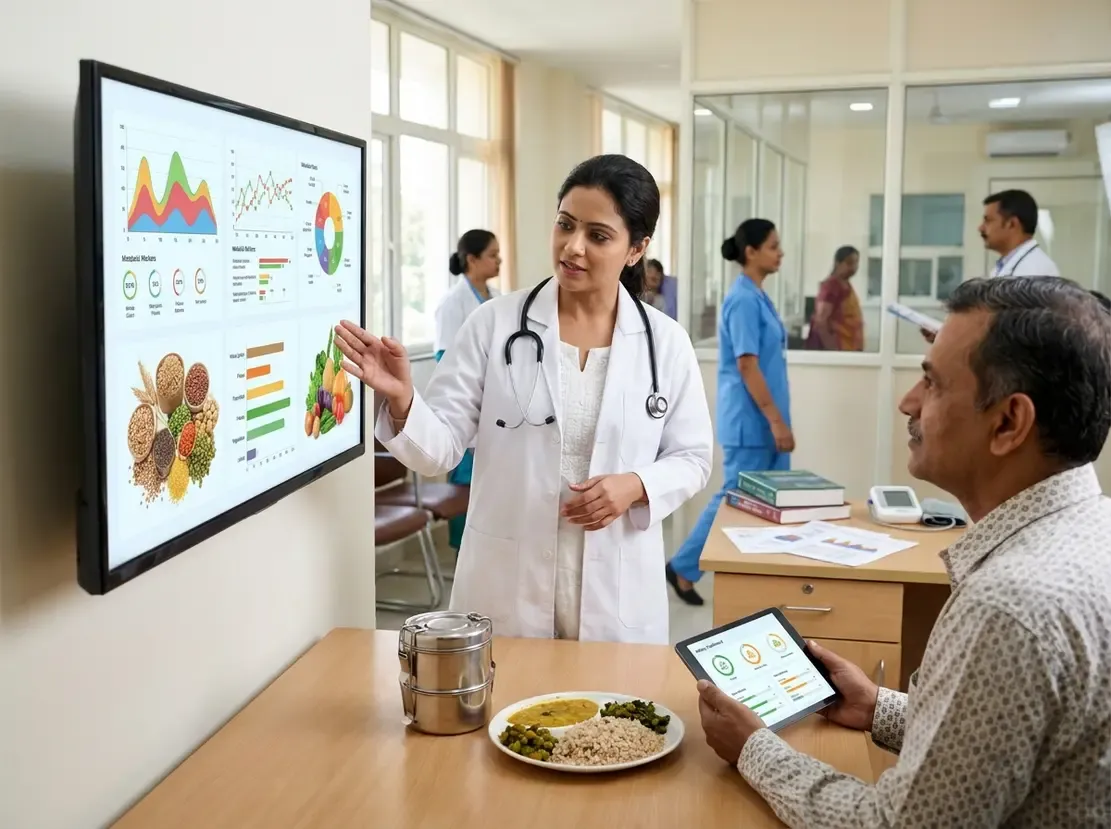
Why Doctors Must Supervise GLP-1 Weight Loss Therapies

Modern GLP-1 therapies offer revolutionary benefits for glycemic control, weight loss, and metabolic disorders. However, medical experts across India express serious concern over unsupervised usage. Off-label cosmetic demand and unauthorized prescriptions threaten patient safety today. Consequently, clinicians must prioritize thorough diagnostic screening before initiating treatment.
Understanding the Growing Clinical Demand for GLP-1 Therapies
Incretin-based medications show remarkable efficacy in managing type 2 diabetes and obesity. Moreover, specialists observe promising hepatoprotective effects in metabolic dysfunction-associated steatotic liver disease. Patients often achieve double-digit percentage weight reduction during standard therapeutic courses. In addition, these agents improve key cardiovascular biomarkers and reduce systemic inflammation. Therefore, clinical enthusiasm remains exceptionally high among practicing physicians. Nevertheless, commercialization has fueled widespread public interest for rapid cosmetic slimming. Many individuals obtain these powerful injectable drugs without licensed medical oversight. As a result, patients face substantial pharmacological hazards and nutritional complications.
Key Clinical Risks of Unsupervised Incretin Use
Unmonitored drug administration poses acute and chronic dangers to metabolic health. For example, severe gastrointestinal side effects like persistent vomiting cause dehydration and acute kidney injury. In addition, rapid dose escalation increases the danger of gallstones and pancreatitis. Clinicians must also distinguish transient associations from established causal toxicities. Furthermore, unguided cessation triggers rapid weight rebound and metabolic destabilization. Patients frequently regain lost visceral adipose tissue without regaining lost skeletal muscle. Therefore, structured follow-up care remains indispensable for safe, sustainable outcomes.
Preserving Muscle Mass and Nutritional Health
Rapid weight loss frequently involves significant loss of lean body mass. In fact, skeletal muscle accounts for up to forty percent of total weight lost. This sarcopenic loss compromises baseline metabolic rate and functional physical mobility. Furthermore, older adults face elevated hazards of frailty, balance loss, and falls. Indian populations already exhibit unique metabolic phenotypes with lower baseline muscle reserves. Consequently, micronutrient deficiencies and protein deficits occur more rapidly in this demographic. To prevent muscle wasting, clinicians must mandate high dietary protein intake. Additionally, structured progressive resistance training must accompany all pharmacotherapy regimens.
Best Practices for Indian Prescribers
Medical practitioners in India should follow stringent, evidence-based prescribing protocols. First, doctors must screen candidates thoroughly for gastrointestinal, thyroid, and pancreatic contraindications. Moreover, prescribers must verify legitimate clinical indications before writing prescriptions. Regulatory guidelines clearly restrict anti-obesity incretin prescriptions to qualified medical specialists. In addition, physicians must educate patients regarding chronic disease biology. GLP-1 medications serve as therapeutic adjuncts rather than standalone aesthetic solutions. Thus, long-term success requires lifelong nutritional adjustments and regular aerobic exercise. Finally, national professional societies advocate India-specific real-world trials to optimize population-tailored dosing guidelines.
Frequently Asked Questions
Q1: Why is unsupervised GLP-1 therapy dangerous for patients?
Unsupervised use introduces severe dehydration, electrolyte imbalances, and acute pancreatitis risks. Furthermore, unmonitored rapid cessation causes rapid weight rebound and adverse metabolic fluctuations.
Q2: How do incretin therapies cause significant muscle loss?
Rapid calorie reduction naturally causes catabolic breakdown of lean tissue alongside fat mass. Therefore, patients require structured resistance exercise and targeted protein supplementation to preserve muscle health.
Q3: Who can prescribe GLP-1 medications for weight loss in India?
Indian health regulators restrict weight loss prescribing to qualified endocrinologists and internal medicine specialists. In addition, retail dispensing strictly requires a valid Schedule H or H1 medical prescription.
References
- GLP-1 therapies: Experts flag risks of unsupervised use, stress medicalsupervision - ETHealthworld
- Research Society for the Study of Diabetes in India (RSSDI). Clinical Practice Recommendations for the Management of Type 2 Diabetes Mellitus.
- Central Drugs Standard Control Organization (CDSCO), Directorate General of Health Services, Ministry of Health and Family Welfare, Government of India.