Why Responsible Self-Care Matters for Indian Healthcare
Modern healthcare delivery requires patient participation to manage minor ailments and everyday wellness. Consequently, building a structured ecosystem for responsible self-care in India has become an urgent clinical and public health priority. At the ETHealthworld Nutriwell Conclave 2026, industry leaders emphasized the necessity of scientific evidence, consumer education, and accessibility. Patients frequently turn to over-the-counter supplements and home remedies to cope with lifestyle challenges. Therefore, clinicians must understand how everyday self-care habits interact with conventional medical treatment.
Addressing Micronutrient Deficiencies and the Nutrient Gap
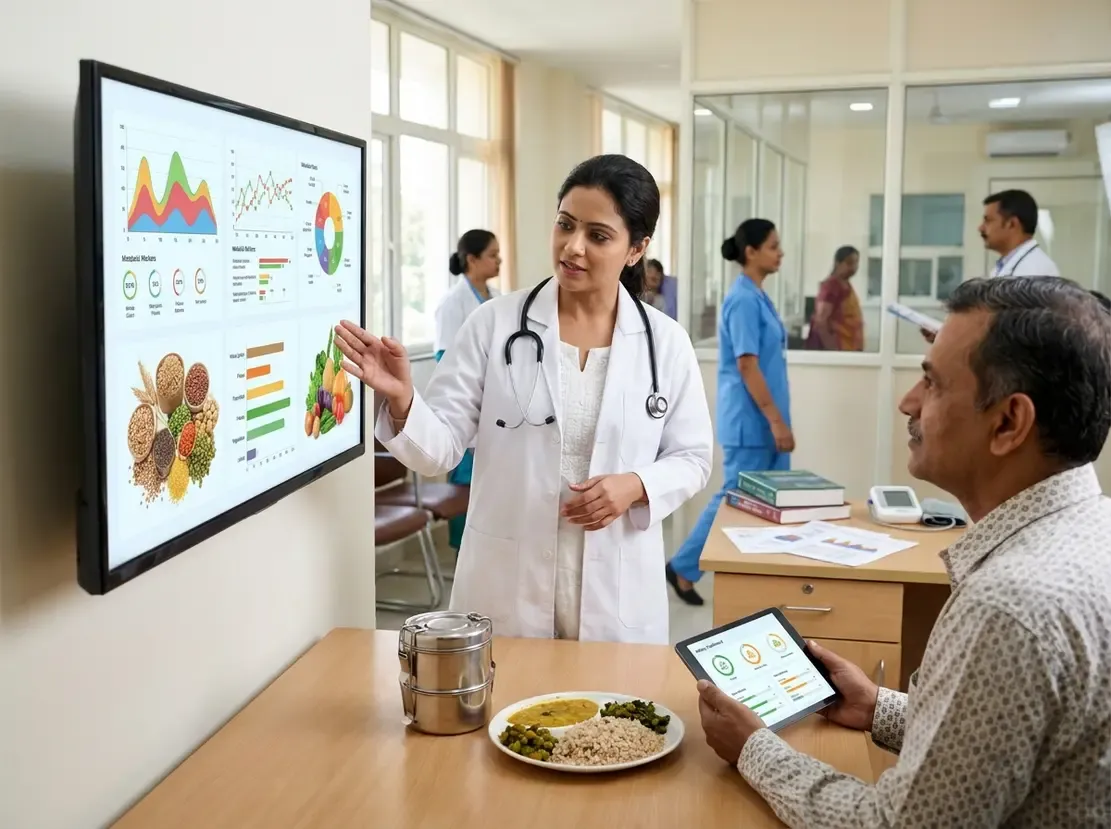
Micronutrient malnutrition remains a widespread concern across diverse socioeconomic groups in India. For example, Bayer's Nutrient Gap Initiative has already reached nearly 80,000 families across rural Karnataka and eastern Uttar Pradesh. This community program focuses on analyzing dietary patterns and identifying critical micronutrient deficiencies. In addition, the initiative trains community health workers to guide families toward informed nutritional decisions. Furthermore, evidence shows that standard Indian diets often fall short of meeting daily vitamin and mineral needs. Clinicians can actively collaborate with community workers to reinforce evidence-based supplementation. As a result, primary care providers can address nutritional deficiencies before severe metabolic complications develop.
The Growing Burden of Lifestyle Stress and Daily Fatigue
Urban populations face rising levels of occupational stress and chronic exhaustion. Recent consumer survey data reveal that nearly 90% of respondents experience significant stress. Moreover, 70% of surveyed individuals report that stress noticeably diminishes their daily productivity. A separate ten-city fatigue survey identified widespread exhaustion among young professionals aged 25 to 35 years. Specifically, 85% of these young adults wake up feeling exhausted each morning. Additionally, 90% experience debilitating fatigue by lunchtime. However, patients often mistake chronic physiological fatigue for normal work exhaustion. Consequently, medical practitioners must screen for underlying causes like anemia, thyroid disorders, or poor sleep hygiene during routine consultations.
A Four-Step Framework for Responsible Self-Care in India
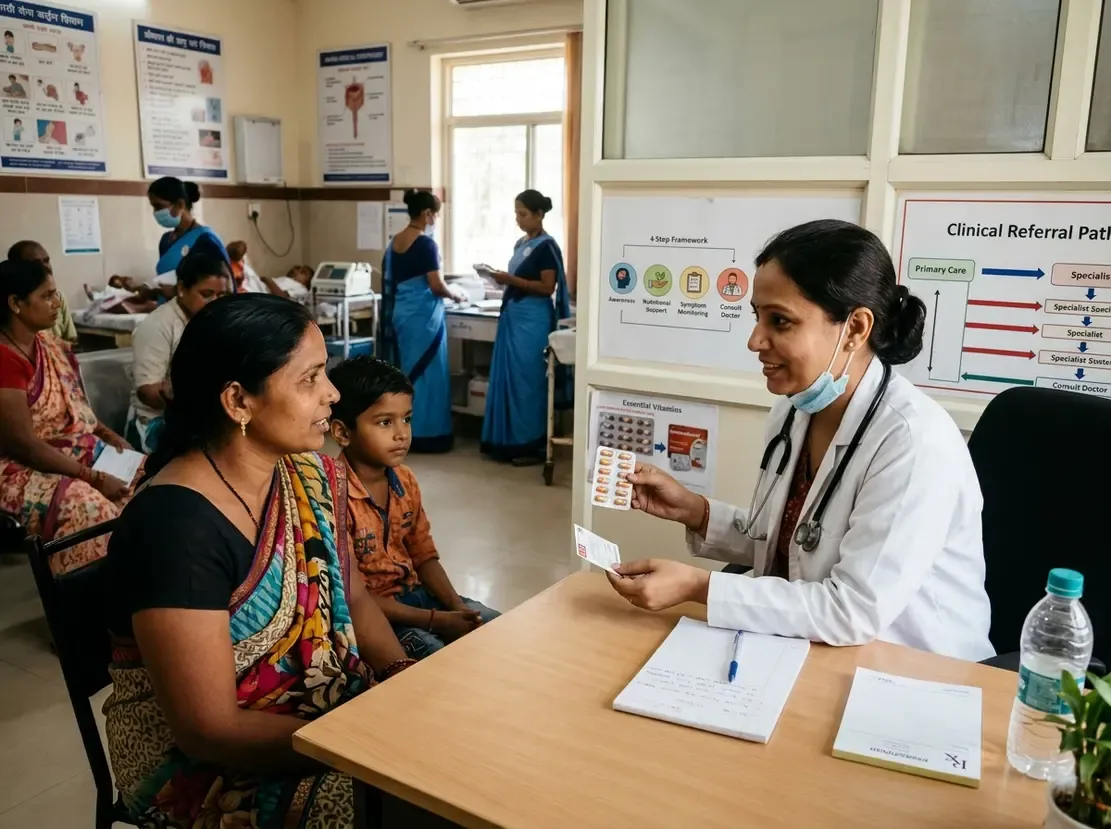
Unregulated self-medication carries significant clinical risks for patients. Therefore, healthcare leaders propose a practical four-step pathway to guide safe consumer behavior. First, individuals must recognize the underlying problem accurately rather than ignoring early warning signs. Next, consumers should respond appropriately with proven, evidence-based wellness measures or supplements. Afterwards, patients need to reassess their condition to evaluate whether their symptoms improve. Finally, individuals must refer to a qualified healthcare practitioner whenever symptoms persist or worsen. Thus, this structured model protects patients from inappropriate self-treatment while reinforcing primary care referral pathways.
Combating Misinformation and Scrutinizing Influencer Claims
Digital platforms often expose consumers to unsubstantiated wellness claims and aggressive supplement marketing. In response, healthcare authorities urge stronger scrutiny of online health influencers and misleading promotional content. Commercial wellness trends frequently impose unrealistic dietary standards that clash with daily cultural habits. Instead, effective self-care models must respect existing consumer lifestyles while promoting scientifically verified interventions. Practitioners should actively discuss digital health misinformation with their patients. Furthermore, doctors can recommend verified educational sources during clinical visits. Consequently, transparent communication empowers patients to evaluate health marketing critically and avoid harmful self-medication practices.
Frequently Asked Questions
Q1: What are the four steps of the proposed self-care framework?
The four-step framework includes recognizing the problem, responding appropriately with evidence-based methods, reassessing symptom progress, and referring to a healthcare practitioner when necessary.
Q2: Why is community worker education critical for tackling nutrient gaps?
Community health workers understand local dietary habits and can educate underserved families on addressing micronutrient deficiencies safely and effectively.
Q3: How should doctors address online health influencer advice with patients?
Doctors should encourage patients to verify social media health claims, explain the risks of unverified supplements, and provide credible, evidence-backed nutritional guidance.
References
- Scientific evidence, consumer awareness key to responsible self-care in India:Bayer Consumer Health Country Head - ETHealthworld
- Economist Enterprise & Bayer Consumer Health. Making self-care work: integrating self-care into health systems. 2026.
- World Health Organization. WHO guideline on self-care interventions for health and well-being. Geneva: World Health Organization.