
The Security Risks of AI Generated Fake X-rays
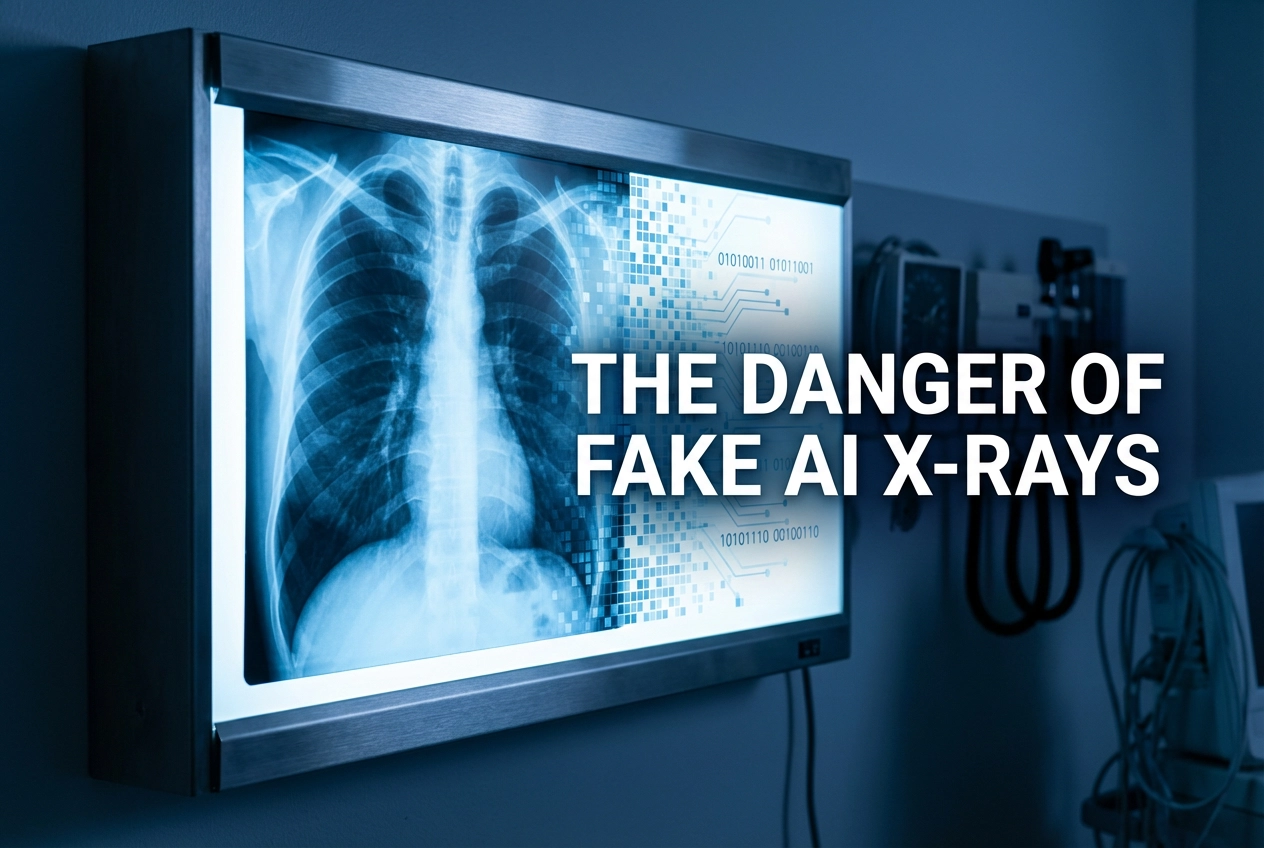
The rapid advancement of artificial intelligence has introduced a new diagnostic threat: AI generated fake X-rays. Recent research indicates that these synthetic images can deceive even the most experienced medical professionals. Consequently, the reliability of digital medical records is now under intense scrutiny. This vulnerability highlights a critical need for enhanced cybersecurity and clinician education. Furthermore, the potential for fraudulent litigation using fabricated clinical evidence has become a genuine concern for healthcare administrators worldwide.
Researchers from the Icahn School of Medicine at Mount Sinai recently conducted a study published in the journal Radiology. Specifically, they tested 17 radiologists using 264 X-ray images, half of which were AI-generated. Initially, when the readers were unaware of the study’s purpose, only 41% spontaneously identified the synthetic images. Moreover, even after being informed about the presence of deepfakes, the radiologists’ accuracy only rose to 75%. Notably, several large language models, including GPT-4o and Gemini, also struggled to achieve perfect detection. Therefore, the researchers advocate for digital safeguards like invisible watermarks to prevent malicious tampering.
Improved Biomarkers for Lewy Body Dementia
Additionally, the medical community is celebrating a major breakthrough in neurodegenerative diagnostics. Scientists have identified DOPA decarboxylase as a highly specific biomarker in cerebrospinal fluid. Notably, this enzyme plays a vital role in dopamine production within the brain. Resultantly, concentrations of this protein are significantly higher in patients with Parkinson’s disease and Lewy body dementia. However, the levels remain much lower in those suffering from Alzheimer’s disease. Consequently, this objective tool allows doctors to distinguish between overlapping dementia symptoms at an early stage. Furthermore, early detection helps prevent misdiagnosis and ensures that patients receive the most effective treatments. For professionals looking to deepen their expertise in this challenging area, consider reviewing our Certification Course In Dementia.
Environmental Factors in Antibiotic Resistance
Similarly, a troubling link between agricultural practices and hospital-acquired infections has emerged. Researchers in Argentina discovered that multidrug-resistant bacteria can thrive in soil treated with the weedkiller glyphosate. Specifically, they found that hospital strains were highly resistant to both common antibiotics and this widely used herbicide. Moreover, genomic analysis revealed that glyphosate-resistant environmental bacteria are often genetically related to dangerous clinical strains. Therefore, the widespread use of pesticides may inadvertently favor the prevalence of antibiotic-resistant pathogens. Consequently, experts recommend including warnings on pesticide labels regarding the potential spread of resistance genes to medical facilities. Addressing resistance and infection control is paramount in fields like intensive care medicine.
Frequently Asked Questions
Q1: Can radiologists easily detect AI generated fake X-rays?
No, a recent study found that only 41% of radiologists spontaneously identified synthetic images when they were unaware of the study’s true purpose. Even after being alerted to the existence of fakes, their detection accuracy only reached approximately 75%.
Q2: What is the clinical significance of DOPA decarboxylase?
DOPA decarboxylase serves as a specific biomarker in cerebrospinal fluid that helps distinguish Lewy body dementia and Parkinson’s disease from Alzheimer’s disease. This biomarker provides an objective tool for early and accurate diagnosis.
Q3: How does the weedkiller glyphosate affect hospital safety?
Research indicates that glyphosate exposure in soil can select for bacteria that carry antibiotic-resistance genes. These resistant strains can potentially spread from agricultural environments to hospitals, complicating the treatment of clinical infections.
For those interested in improving diagnostic imaging skills, exploring specialized coursework like the Radiology Speciality Courses may be beneficial.
References
- Fake X-rays created by AI fool radiologists and even AI itself – ETHealthworld
- Tordjman, M., et al. (2026). Deepfake medical images in radiology. Radiology.
- Bolsewig, K., et al. (2026). A quantitative DOPA decarboxylase biomarker for diagnosis in Lewy body disorders. Nature Medicine.
- Centrón, D., et al. (2026). Glyphosate resistance as a potential driver for the dissemination of multidrug-resistant clinical strains. Frontiers in Microbiology.
Disclaimer: This article was automatically generated from publicly available sources and is provided for informational and educational purposes only. OC Academy does not exercise editorial control or claim authorship over this content. It is not a substitute for professional medical advice, diagnosis, or treatment. Always consult a qualified healthcare provider and refer to current local and national clinical guidelines.