
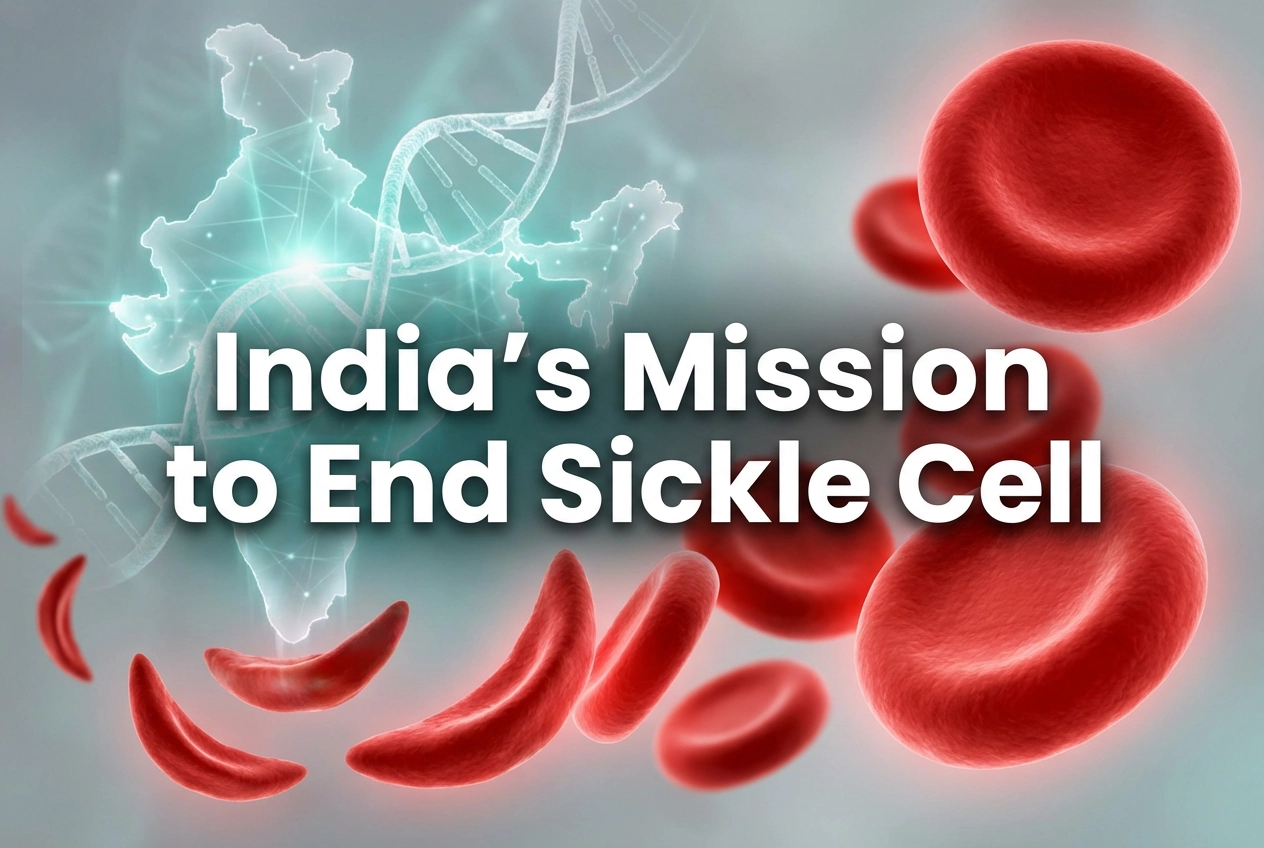
Sickle Cell Screening Mission: A Tribal Health Revolution
Health officials recently announced that they have completed over 6.97 crore sickle cell anaemia screenings across India’s tribal belts. This achievement marks a significant milestone for the National Sickle Cell Anaemia Elimination Mission (NSCAEM). Specifically, the initiative targets the 0-40 year age group to ensure early diagnosis. Consequently, medical teams are working at all levels, from district hospitals to Ayushman Arogya Mandirs, to provide diagnostic services.
Expanding Access Through Sickle Cell Anaemia Screenings
The government aims to eliminate this genetic condition by 2047. To support this goal, they have distributed 3.93 crore genetic status cards so far. These cards help families make informed decisions regarding marriage and prenatal care. Furthermore, the Ministry of Tribal Affairs has approved 17 Centres of Excellence across 15 states. These centers provide specialized care and research facilities for managing hereditary blood disorders in high-prevalence regions. Professionals seeking to deepen their knowledge in this area might benefit from a specialized course on Hematology.
Comprehensive Support and Nutrition Strategies
Managing sickle cell disease effectively requires more than just a diagnosis. Therefore, primary health centers now offer counseling, lifestyle management, and nutritional supplements. For instance, patients receive folic acid tablets to maintain healthy blood levels. Additionally, the government integrates these efforts with Mission Poshan 2.0. This strategy addresses malnutrition and anaemia through diverse diets and micronutrient support. Similarly, the RMNCAH+N strategy focuses on improving maternal and child health outcomes within tribal populations. Given the focus on young patients and family health, understanding Paediatrics is essential.
Frequently Asked Questions
Q1: What is the primary goal of the National Sickle Cell Anaemia Elimination Mission?
The mission aims to eliminate sickle cell disease as a public health problem in India by 2047 through universal screening, genetic counseling, and comprehensive clinical management.
Q2: Who is eligible for the screenings conducted under this national program?
Health workers prioritize individuals between the ages of 0 and 40 years, especially those living in the 17 identified tribal states where the disease is most prevalent.
References
- Over 6.97 cr screenings for sickle cell anaemia held across tribal beltsnationwide, Rajya Sabha told – ETHealthworld
- National Health Mission (NHM). Guidelines for Prevention & Management of Sickle Cell Disease.
- Ministry of Health and Family Welfare. National Sickle Cell Anaemia Elimination Mission Operational Guidelines.
Disclaimer: This article was automatically generated from publicly available sources and is provided for informational and educational purposes only. OC Academy does not exercise editorial control or claim authorship over this content. It is not a substitute for professional medical advice, diagnosis, or treatment. Always consult a qualified healthcare provider and refer to current local and national clinical guidelines.