
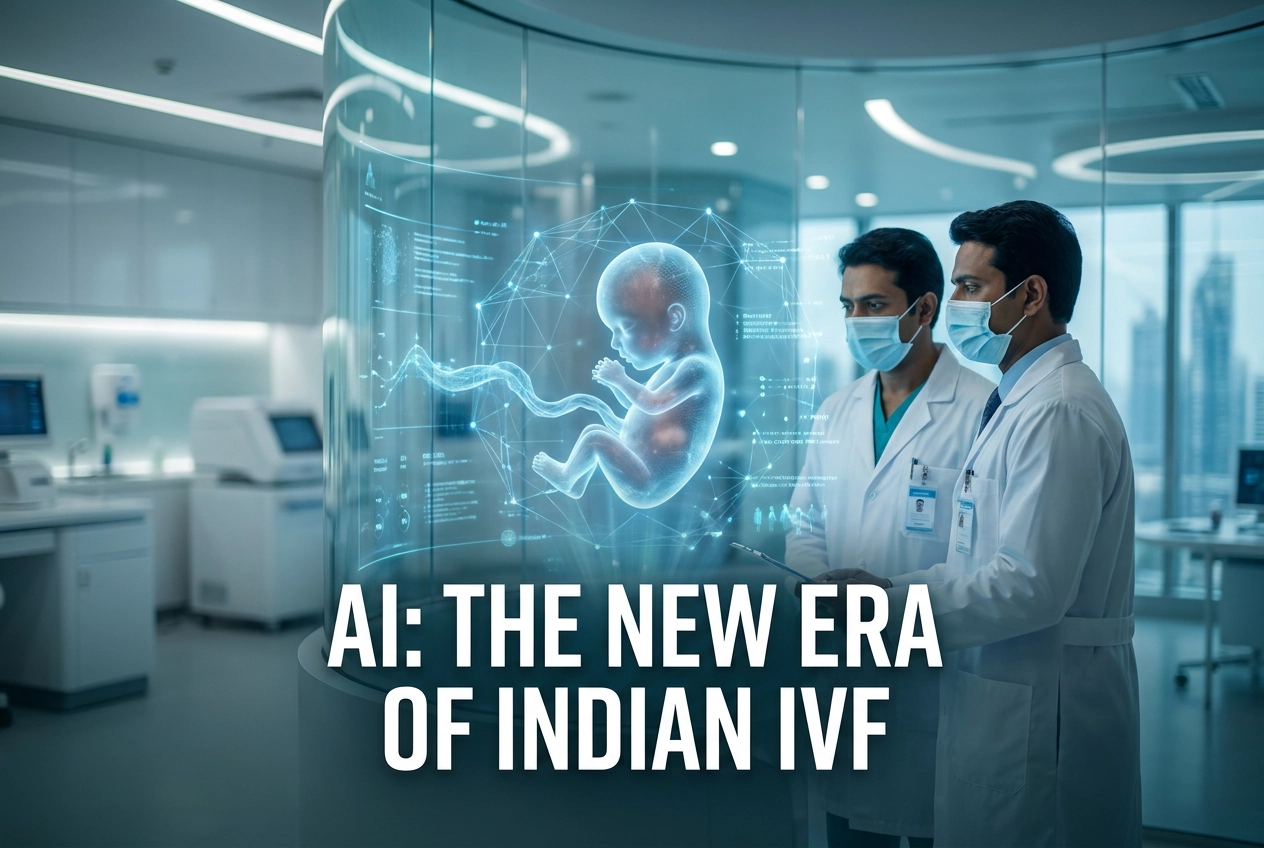
Egg Meets Algorithm: How AI is Transforming IVF in India
The landscape of reproductive medicine in India is currently undergoing a massive shift. Experts at the recent ETHealthworld Fertility Conclave highlighted that AI in fertility care is no longer a distant dream. Instead, it is a vital tool for clinicians seeking to move away from trial-and-error IVF practices. By adopting data-driven and personalized approaches, doctors can now offer more predictable outcomes to their patients. For those deeply involved in advancing fertility treatments, considering the International Post Graduate Program In Assisted Reproduction Techniques can provide a strong foundation in modern methodologies.
Standardizing Clinical Outcomes with AI in Fertility Care
Consistency remains a major challenge in the Indian IVF sector today. Because expertise varies significantly across different regions, clinical outcomes often differ between centers. Specifically, Dr. Kshitiz Murdia noted that AI-powered support systems can help bridge this gap. These tools reduce variability by standardizing decision-making processes. Consequently, patients in smaller cities can receive the same high-quality care as those in major metros.
Furthermore, AI algorithms are now capable of decoding patterns in gametes and embryos. These patterns are often invisible to the human eye. Advanced analytics allow clinicians to refine embryo selection accurately. This precision ultimately reduces the need for repeated IVF cycles. However, clinicians must remember that AI represents “two sides of a coin.” While it offers immense promise, its real-world application continues to evolve alongside human expertise.
Predictive Insights for High-Risk Pregnancies
Managing high-risk pregnancies and recurrent miscarriages is emotionally and clinically demanding. Often, clear diagnostic answers are missing for these complex cases. Dr. Sonal Kumta emphasized that large datasets and AI can identify underlying genetic or hormonal patterns. These insights allow for more precise risk assessment and better treatment planning. For instance, data-backed clarity can assist in decisions regarding cervical cerclage or foetal monitoring. Clinicians focused on maternal health can benefit greatly from specialized training, such as the Post Graduate Program In Obstetrics.
Moreover, the role of AI in reproductive genetics is becoming critical for the Indian population. Most existing genetic classifications rely on Western datasets. Similarly, these classifications may not fit specific Indian genetic profiles due to population variations. AI is now accelerating the interpretation of locally generated genetic data. This shift reduces the turnaround time for variant analysis from weeks to just a few days. Additionally, clinicians can make faster decisions while keeping costs manageable for patients.
Frequently Asked Questions
Q1: How does AI improve the success rate of IVF cycles?
AI improves success rates by objectively analyzing embryo quality and predicting implantation probability. It removes human subjectivity from embryo grading and helps clinicians choose the most viable embryo for transfer.
Q2: Will AI replace embryologists and clinicians in the future?
No, AI is an assistive tool rather than a replacement. Experts advocate for a “human-in-the-loop” approach where clinical judgment remains central. Technology simply provides data-backed support to strengthen evidence-based care.
Q3: Is AI-driven genetic testing more expensive for Indian patients?
Actually, AI helps bring down costs by streamlining the filtering and prioritization of genetic findings. It reduces turnaround times and helps tailor testing strategies so that patients only undergo necessary screenings.
For continuous skill enhancement in managing complex patient care scenarios related to reproductive and genetic health, exploring our Obstetrics, Gynecology And Women’s Health Speciality Courses is recommended.
References
- AI will bring consistency and data-led precision in fertility care: Experts – ETHealthworld
- Indian Institute of Technology Madras. (2024). Garbhini-GA2: India-specific AI model for gestational age.
- International Journal of Community Medicine and Public Health. (2025). AI-enhanced IVF outcome prediction for Indian subpopulation.
Disclaimer: This article was automatically generated from publicly available sources and is provided for informational and educational purposes only. OC Academy does not exercise editorial control or claim authorship over this content. It is not a substitute for professional medical advice, diagnosis, or treatment. Always consult a qualified healthcare provider and refer to current local and national clinical guidelines.