How AI Accelerates Early TB and Lung Cancer Detection
Artificial intelligence continues to transform pulmonary medicine across clinical practices in India. At NAPCON 2026, leading pulmonologists discussed how AI in TB detection and lung cancer screening can significantly improve diagnostic efficiency. The conference brought together over 2,000 respiratory specialists to address India's high burden of thoracic illnesses. Consequently, clinicians are evaluating automated technologies to streamline patient evaluation and triage.
Advancing Clinical Workflows: AI in TB Detection
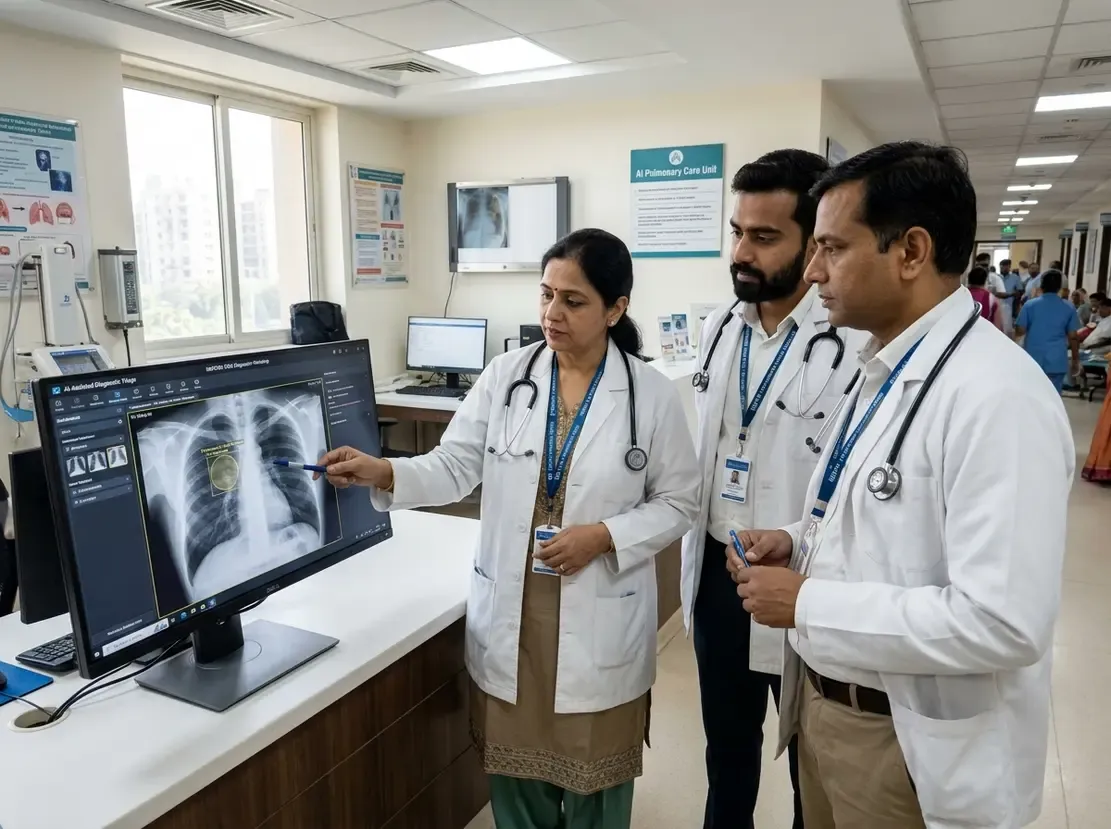
India currently accounts for nearly 26 percent of global tuberculosis cases. Therefore, rapid case finding remains a paramount national priority. AI-assisted computer-aided detection software evaluates digital chest radiographs within seconds. Consequently, these tools alert doctors to subtle apical infiltrates and cavitary lesions that might escape early detection. However, medical experts emphasize that AI algorithms cannot replace formal microbiological confirmation. Instead, clinicians must deploy AI algorithms as triage tools to expedite referral for rapid molecular diagnostics.
Transforming Lung Cancer Identification and Triaging
Early identification dramatically influences survival rates in thoracic malignancies. AI algorithms examine computed tomography scans to detect suspicious pulmonary nodules. In addition, these computational models assess nodule morphology, volume, and risk characteristics. Interventional pulmonologists note that automated image processing helps clinicians triage high-risk individuals rapidly. However, physicians must carefully interpret AI recommendations within the comprehensive clinical context. Furthermore, ongoing local validation ensures that software performs reliably across diverse patient demographics.
Implementation Realities and Healthcare Integration
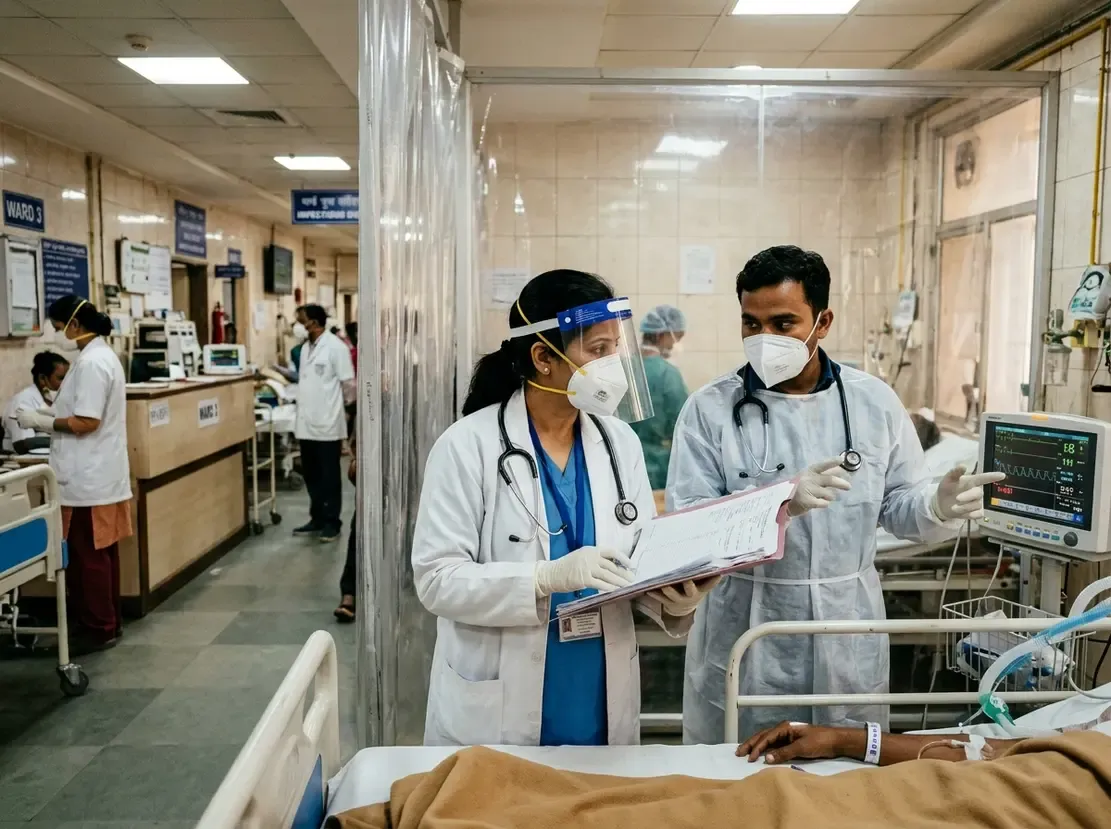
Widespread deployment requires overcoming distinct logistical challenges across India. Healthcare systems must establish reliable digital imaging infrastructure and data privacy frameworks. Moreover, institutions need structured training programs so clinicians can interpret automated outputs confidently. Primary care centers and mobile health units can leverage cloud-based algorithms to bridge specialist shortages in rural districts. Ultimately, AI serves as an intelligent co-pilot for healthcare workers. When clinicians integrate AI alongside established clinical pathways, diagnostic delays decrease significantly.
Frequently Asked Questions
Q1: Can AI software independently diagnose tuberculosis or lung cancer?
No, AI software cannot independently provide a definitive diagnosis. Instead, AI serves as a powerful triage tool that flags suspicious imaging patterns. Therefore, clinicians must always perform confirmatory evaluations before initiating treatment.
Q2: Why is AI-assisted screening particularly valuable in rural India?
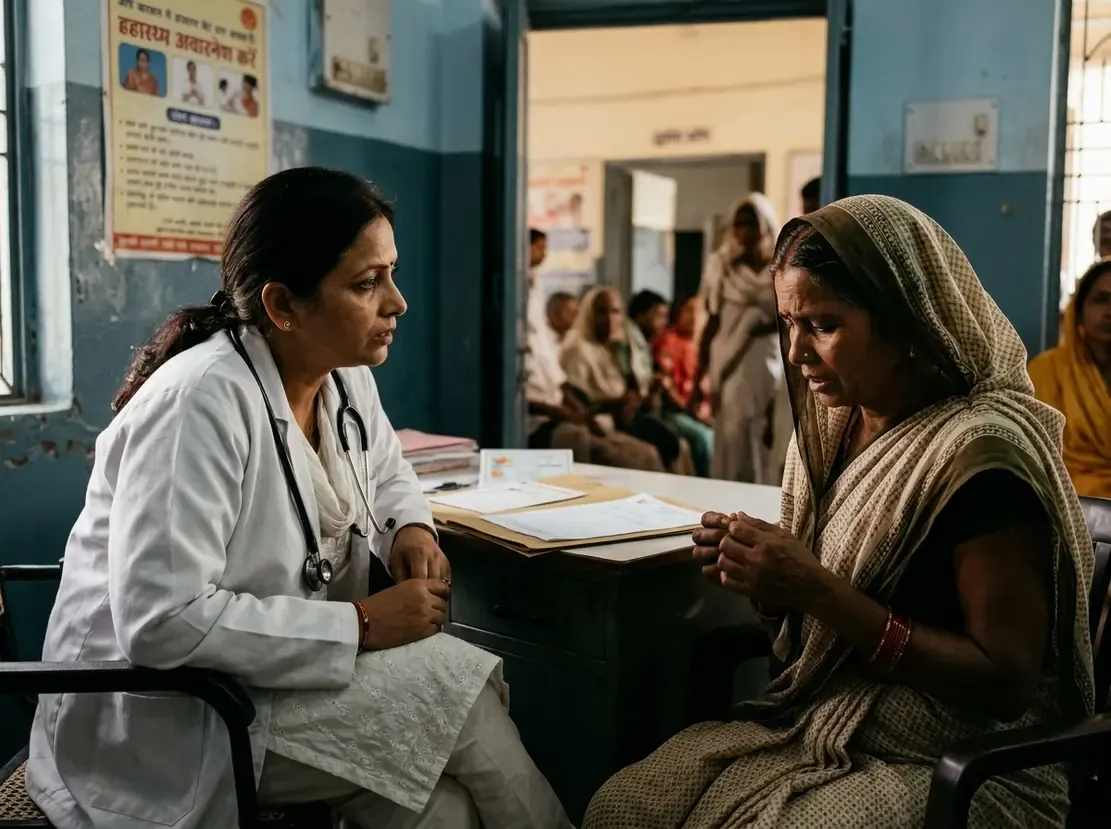
Many remote and underserved areas face a severe shortage of trained radiologists. Consequently, AI software provides instant radiographic interpretations at primary health centers or mobile screening vans. This automated triaging helps healthcare workers promptly refer high-risk individuals for advanced diagnostic testing.
Q3: Does the World Health Organization recommend AI for tuberculosis screening?
Yes, the World Health Organization recommends computer-aided detection software as an alternative to human interpretation for tuberculosis screening in individuals aged 15 and older. However, positive screening findings always require microbiological confirmation.
References
- AI may boost early detection of TB, lung cancer in India: experts at NAPCON 2026 - ETHealthworld
- Use of computer-aided detection software for tuberculosis screening: WHO policy statement - World Health Organization
- Health Technology Assessment of AI-Assisted Chest X-Ray Interpretation for Pulmonary Tuberculosis Screening - Health Technology Assessment in India (HTAIn)