Why 50% of Women Face Advanced Breast Cancer in UP
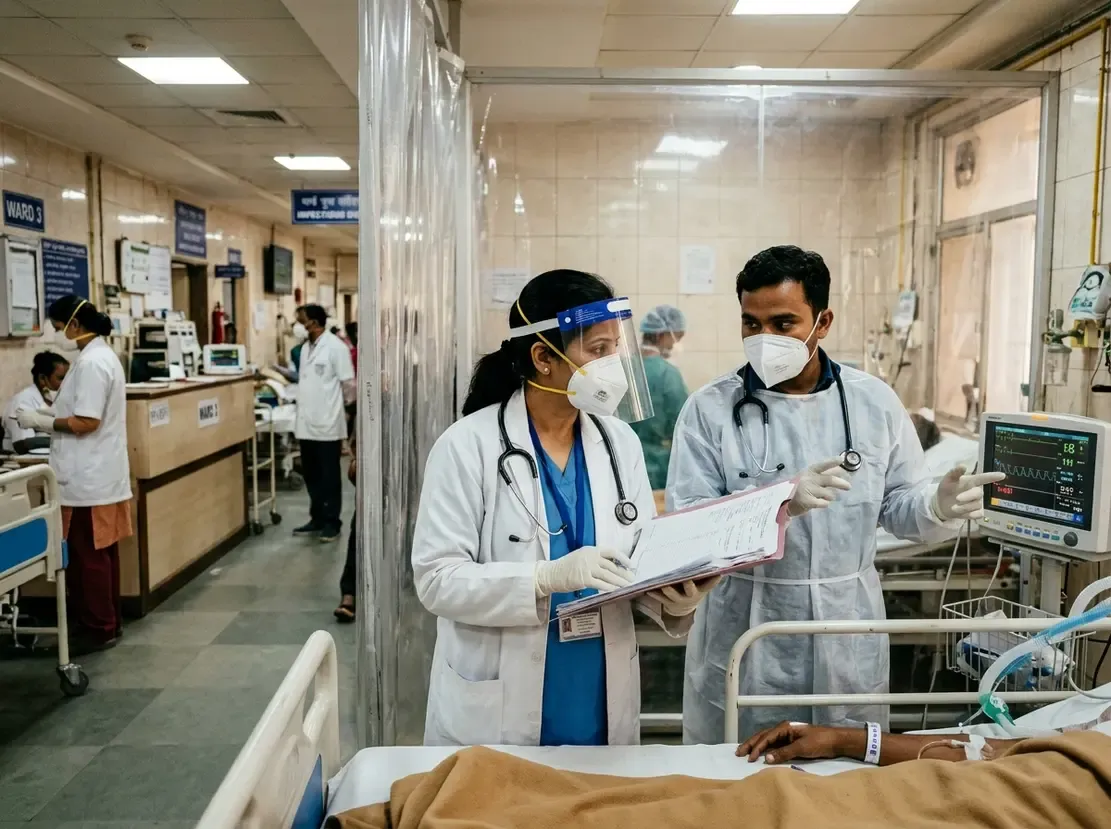
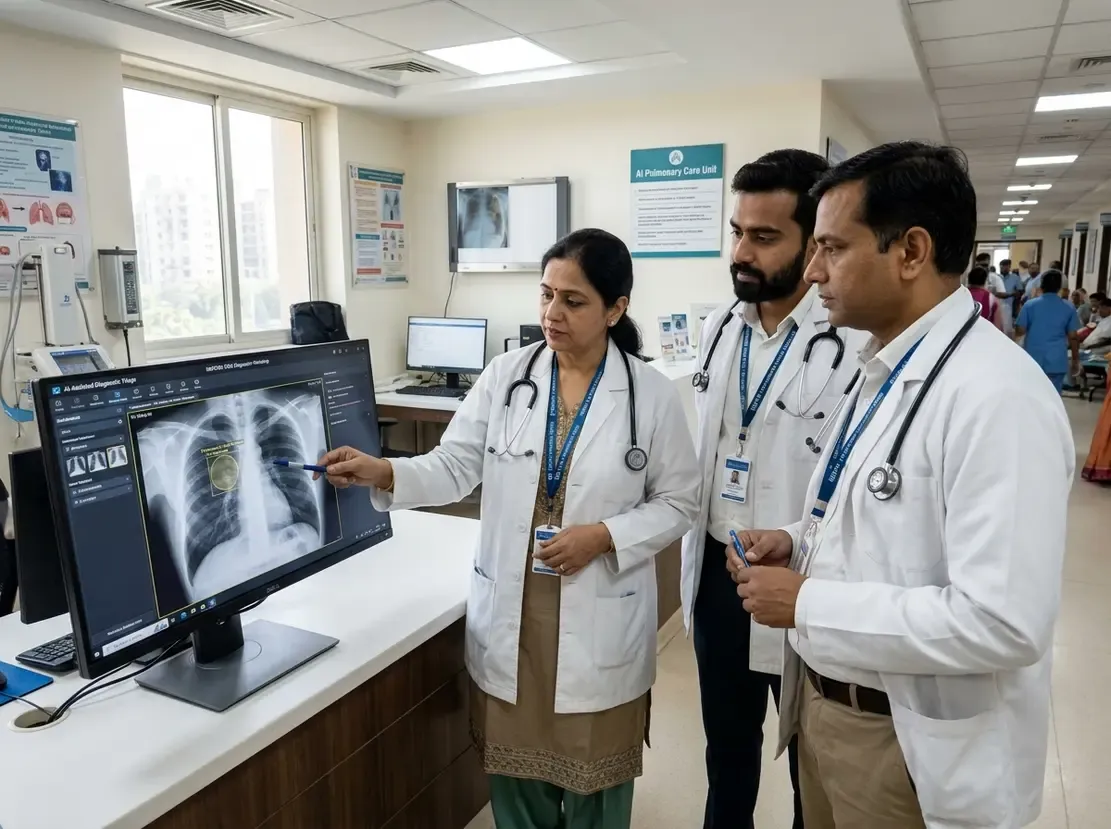
Early cancer detection saves lives, yet breast cancer diagnostic delay remains a major obstacle across India. Recently, oncologists at King George’s Medical University (KGMU) in Lucknow highlighted a critical drop-off in patient care pathways. During a Breast Cancer Awareness Month event, faculty emphasized that early screening benefits disappear when patients miss diagnostic confirmation.
The Diagnostic Gap Between Screening and Confirmation
A recent screening initiative evaluated 51,894 women in Uttar Pradesh. Among these participants, physical examinations identified 1,557 individuals with breast abnormalities. However, only 639 women—roughly 41 percent—visited a diagnostic facility for confirmatory testing. Consequently, more than half of the symptomatic cohort failed to complete essential diagnostic evaluations. Prof. Naseem Akhtar from KGMU noted that 50% to 60% of these patients present later with advanced disease.
Socioeconomic Barriers and Care Navigation Challenges
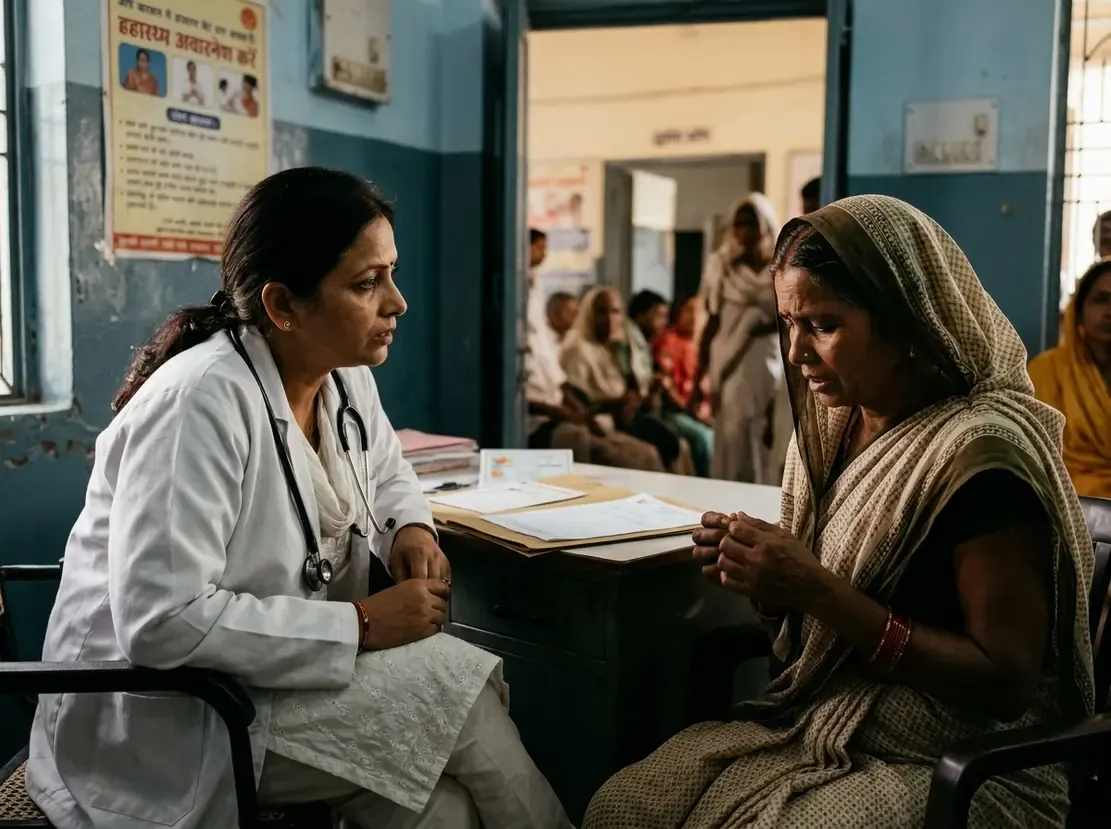
Multiple psychosocial and financial hurdles prevent women from completing secondary diagnostic workups. Specifically, fear of cancer diagnosis and intense social stigma frequently halt health-seeking behavior. In addition, women prioritize heavy domestic duties over their personal medical appointments. Financial distress, transport shortages, and daily wage loss further compound these delays. Many patients also experience deep discomfort during examinations by male clinicians. Furthermore, convoluted referral pathways within tertiary hospitals overwhelm first-time visitors.
Addressing Breast Cancer Diagnostic Delay in Primary Care
Nearly seven out of ten women diagnosed with breast cancer reach Indian tertiary hospitals in advanced stages. Consequently, late presentation severely restricts curative surgical options. Tumors detected below 5 cm allow surgeons to conserve 85% to 90% of the native breast tissue. Conversely, extensive lesions exceeding this size necessitate radical breast tissue removal. Moreover, patients often waste crucial time pursuing unverified alternative therapies that promise easy cures. Prof. Vijay Kumar also warned against incomplete surgical resections performed outside high-volume cancer centers. Therefore, clinicians must emphasize integrated multidisciplinary care combining surgical oncology, chemotherapy, and radiotherapy. Strengthening grassroots follow-up through ASHA workers and mobile health networks provides a practical solution to bridge this diagnostic divide.
Frequently Asked Questions
Q1: Why do screened women drop out before confirmatory testing?
Women often encounter social stigma, financial hardship, and transport difficulties. Furthermore, discomfort with male healthcare providers and hospital navigation challenges deter timely follow-up.
Q2: How does early diagnostic confirmation affect surgical outcomes?
Early confirmation allows surgical teams to preserve 85% to 90% of the breast for tumors smaller than 5 cm. In contrast, advanced lesions frequently necessitate total mastectomy.
Q3: What role do community health workers play in reducing diagnostic delays?
Community health workers track symptomatic individuals and coordinate clinical appointments. Consequently, their active outreach prevents patients from abandoning the diagnostic pathway.
References
- 50% UP women report for test when breast cancer is advanced: KGMU - ETHealthworld
- The Times of India. 50% UP women report for test when breast cancer is advanced: KGMU. 2026.
- National Academy of Medical Sciences (India). Task Force Report on Breast Cancer in India. 2025.