Kenya Reports Second Ebola Death as Regional Cases Rise

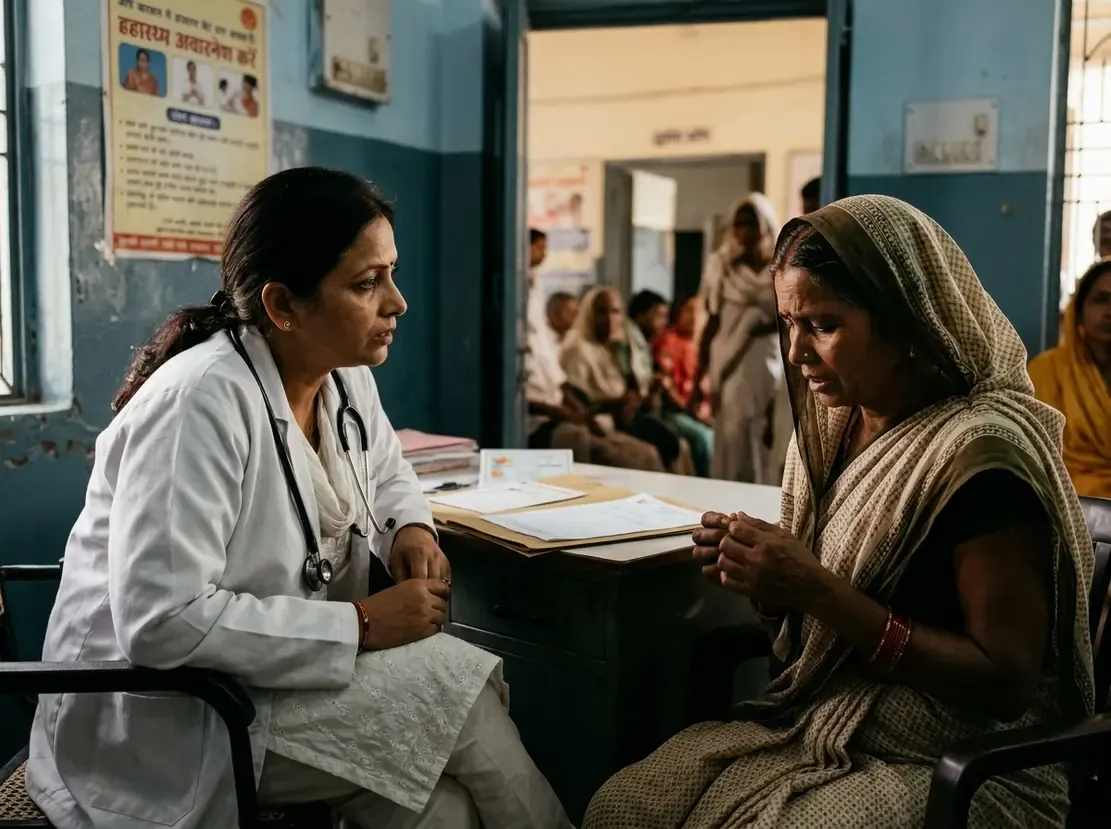
Kenya has recorded a second fatality associated with the ongoing Kenya Ebola outbreak. Specifically, health authorities confirmed that the patient was a 65-year-old woman under quarantine. Notably, she was a direct relative of the index patient who passed away earlier this month. Health officials confirmed that seven other patients continue to receive supportive care in isolation facilities.
Epidemiological Context of the Kenya Ebola Outbreak
The current transmission chain originated in the Democratic Republic of Congo. Consequently, cross-border movements have carried the pathogen into four African nations. Kenya identified its initial imported case in an individual traveling from Congo on October 5. Subsequently, surveillance teams successfully traced 135 potential contacts. Therefore, authorities isolated all high-risk contacts to limit wider transmission. Crucially, officials confirm there is currently no evidence of community spread within Nairobi.
Clinical Features and Transmission Risks
The circulating strain in this outbreak belongs to the rare Bundibugyo Ebola species. Furthermore, this specific viral species lacks approved vaccines or specific therapeutic antibodies. Clinical manifestations typically begin with sudden fever, severe fatigue, vomiting, and profound diarrhoea. In severe instances, patients may develop profound vascular collapse and systemic bleeding manifestations. However, transmission occurs exclusively through direct contact with infectious bodily fluids from symptomatic individuals. As a result, healthcare workers must implement rigorous infection prevention and personal protective equipment.
Surveillance and Global Travel Implications
International travel networks increase the potential for global dissemination of viral hemorrhagic fevers. In response, international agencies have raised travel advisories to alert clinicians and prospective travelers. Clinicians worldwide should obtain detailed travel histories from patients presenting with unexplained acute febrile illnesses. Additionally, early isolation protocols prevent secondary nosocomial exposure in acute triage areas.
Frequently Asked Questions
Q1: What species of Ebola is responsible for the Kenya outbreak?
The current cases involve the Bundibugyo Ebola virus species. Consequently, standard vaccines and monoclonal treatments approved for the Zaire strain do not offer proven protection against this pathogen.
Q2: How is the Ebola virus transmitted between humans?
Ebola transmits exclusively through direct contact with infectious bodily fluids from individuals who exhibit symptoms. Therefore, asymptomatic contacts cannot transmit the virus to others.
Q3: Is there evidence of community transmission in Kenya?
Currently, health authorities report no evidence of community transmission in Kenya. Furthermore, all confirmed secondary cases remain confined to a single cluster of quarantined contacts.
References
- Kenya reports second death from Ebola - ETHealthworld
- World Health Organization. Ebola disease caused by Bundibugyo virus – Democratic Republic of the Congo, Kenya and Nigeria. Disease Outbreak News. 2026.
- European Centre for Disease Prevention and Control. Importation of Ebola disease cases caused by Bundibugyo virus to Kenya and Nigeria. Threat Assessment Brief. 2026.