
Navigating Assisted Reproductive Technology India
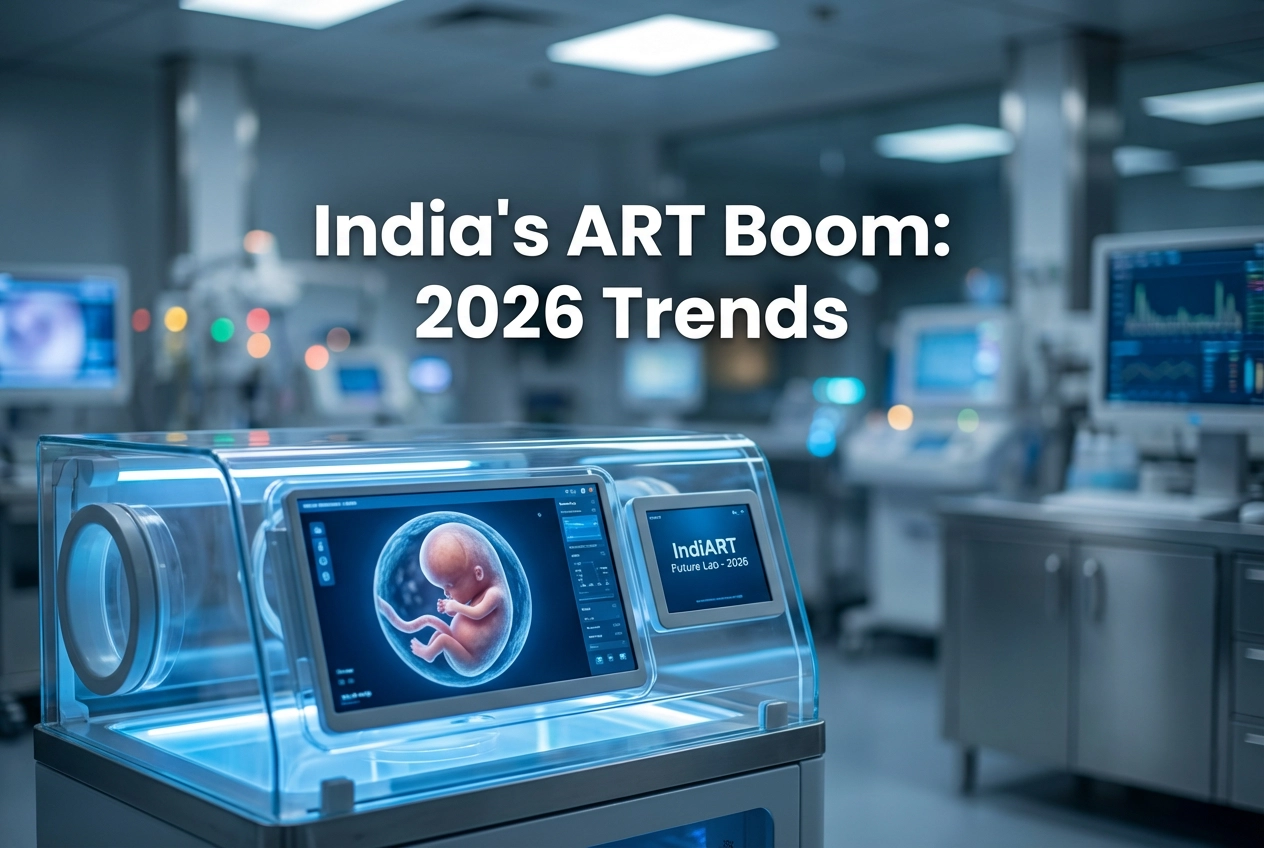
In the modern healthcare landscape, Assisted Reproductive Technology India is currently at a vital crossroads. While India boasts a large demographic dividend, rising infertility and falling fertility rates present significant long-term challenges. Specifically, the total fertility rate has dropped to 1.9, which is below the replacement level of 2.1. Consequently, clinicians are focusing on scientific innovations to bridge gaps in reproductive healthcare. Moreover, socio-economic factors like delayed marriages are influencing family planning decisions across the nation.
Advancing Care through Assisted Reproductive Technology India
The 2026 ETHealthworld Fertility Conclave recently showcased the transformative potential of reproductive medicine. During this event, experts discussed how science meets hope in modern patient care. Specifically, clinicians are redefining success for patients with Diminished Ovarian Reserve. Instead of looking only at oocyte yield, the focus has shifted toward oocyte competence and quality. Furthermore, the rise of egg freezing allows individuals to pause their biological clocks with greater confidence. Additionally, embryologists are integrating algorithms to improve IVF success rates significantly. Professionals looking to deepen their expertise in this complex field can explore the International Post Graduate Program In Assisted Reproduction Techniques.
Regulatory Challenges and Male Fertility Trends
The legal framework surrounding parenthood in India remains complex. Experts at the conclave examined where the ART and Surrogacy laws might fall short for modern couples. Meanwhile, the industry is pushing for insurance reforms to ensure equitable access to IVF for all. Notably, the conclave also addressed the silent crisis of male infertility. This condition now accounts for nearly half of all infertility cases. However, social stigma often prevents men from seeking timely diagnosis and treatment. Therefore, the medical community must continue to advocate for compassionate and inclusive care in Sexual And Reproductive Health.
Frequently Asked Questions
Q1: What is the primary focus of the 2026 Fertility Conclave?
The conclave focuses on how cutting-edge ART innovations can be delivered with empathy, cultural sensitivity, and equity in India.
Q2: Why is male infertility considered a silent crisis?
It is a crisis because it affects nearly half of infertile couples, yet social stigma and limited awareness frequently discourage men from seeking medical help.
Q3: What are the current trends in Indian fertility rates?
India’s total fertility rate has declined to 1.9, which is below the population replacement level of 2.1, highlighting a need for better reproductive support.
References
- Breaking barriers: Infertility care and the science of new beginnings – ETHealthworld
- UNFPA State of World Population Report 2025 – The Real Fertility Crisis
- National Family Health Survey (NFHS-5) 2019-21 Statistics
Disclaimer: This article was automatically generated from publicly available sources and is provided for informational and educational purposes only. OC Academy does not exercise editorial control or claim authorship over this content. It is not a substitute for professional medical advice, diagnosis, or treatment. Always consult a qualified healthcare provider and refer to current local and national clinical guidelines.