
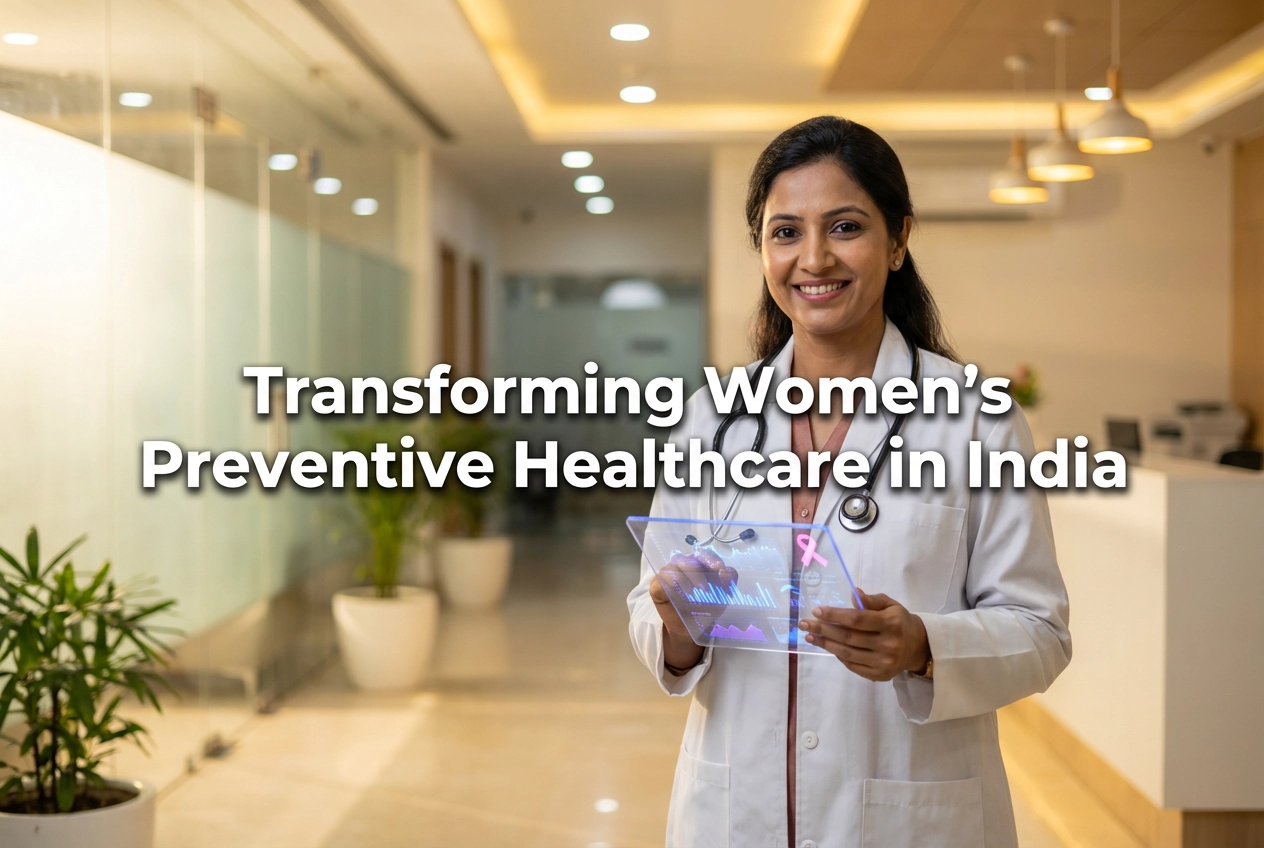
Women’s preventive healthcare India is finally moving beyond performative “pink” campaigns to address the actual disease burden. Historically, pink symbolized hope and compassion. However, these seasonal bursts of visibility often mask a fragmented healthcare system. Consequently, many women only receive care when their symptoms become severe or “loud.” Systemic reform is now essential to ensure that care is routine, continuous, and preventive for every woman across the country.
Redesigning Women’s Preventive Healthcare India for Life-Stage Care
A life-stage approach is the cornerstone of modern medical care. Specifically, it recognizes that health needs evolve significantly from adolescence through menopause. During adolescence, clinicians should focus on building nutritional literacy and addressing menstrual health. This early intervention helps prevent lifelong conditions like anaemia. Moreover, the reproductive years require proactive screening for metabolic risks, such as PCOS and thyroid disorders. Consequently, managing these early prevents more serious complications later in life.
Furthermore, peri-menopausal and post-menopausal years represent a high-risk transition zone. During this phase, metabolic and cardiovascular conditions often rise sharply. Integrated care models should replace single-specialty episodes to manage these complex shifts. Additionally, hospitals must adopt longitudinal care pathways that track a woman’s health over decades. By doing so, the medical system can detect “silent” risks before they disrupt normal life patterns.
Prioritizing Cardiovascular Health and Risk-Stratified Screening
Heart disease remains a critical yet underestimated threat to women in India. Often, clinicians dismiss symptoms as fatigue or stress because they appear atypical. Consequently, many women experience late presentation and poorer outcomes. Therefore, we need strong screening frameworks that go beyond basic lipid profiles. Effective protocols must account for pregnancy history, menopause status, and obesity. Furthermore, imaging and diagnostics should support these assessments to identify early atherosclerosis in asymptomatic patients. For deeper dives into advanced cardiovascular management, consider the International Post Graduate Program In Cardiology.
We must apply technology with a clear purpose to boost this process. Specifically, AI-enabled tools can help personalize prevention and support clinical decision-making. These digital platforms translate medical expertise into actionable pathways for women. However, technology must not create new forms of exclusion. Instead, it should ensure easier access for women managing household and caregiving duties. Ultimately, the goal is to build a system where heart health is a routine priority at every life stage.
Frequently Asked Questions
Q1: Why is a life-stage approach necessary for women’s health?
A life-stage approach ensures that medical care matches the evolving biological and hormonal needs of women. By focusing on specific risks—like anaemia in adolescence or cardiovascular shifts in menopause—clinicians can provide more effective, preventive care. Professionals looking to deepen their expertise in gynaecology and women’s health can explore the Post Graduate Program In Obstetrics & Gynaecology.
Q2: How can hospitals improve preventive pathways for women?
Hospitals can improve by creating integrated clinics where cardiology, nutrition, and gynaecology collaborate. Using care navigators also helps women manage their appointments and advice across different departments without confusion.
References
- Pink of health, not pink campaigns – ETHealthworld
- Women’s Preventive Health in India: A Comprehensive Wellness Framework – SecondMedic
- Why women’s health must be addressed across every stage of life – India Today
- INDIA: Grassroots screening to prevent and control non-communicable diseases – WHO
Disclaimer: This article was automatically generated from publicly available sources and is provided for informational and educational purposes only. OC Academy does not exercise editorial control or claim authorship over this content. It is not a substitute for professional medical advice, diagnosis, or treatment. Always consult a qualified healthcare provider and refer to current local and national clinical guidelines.