
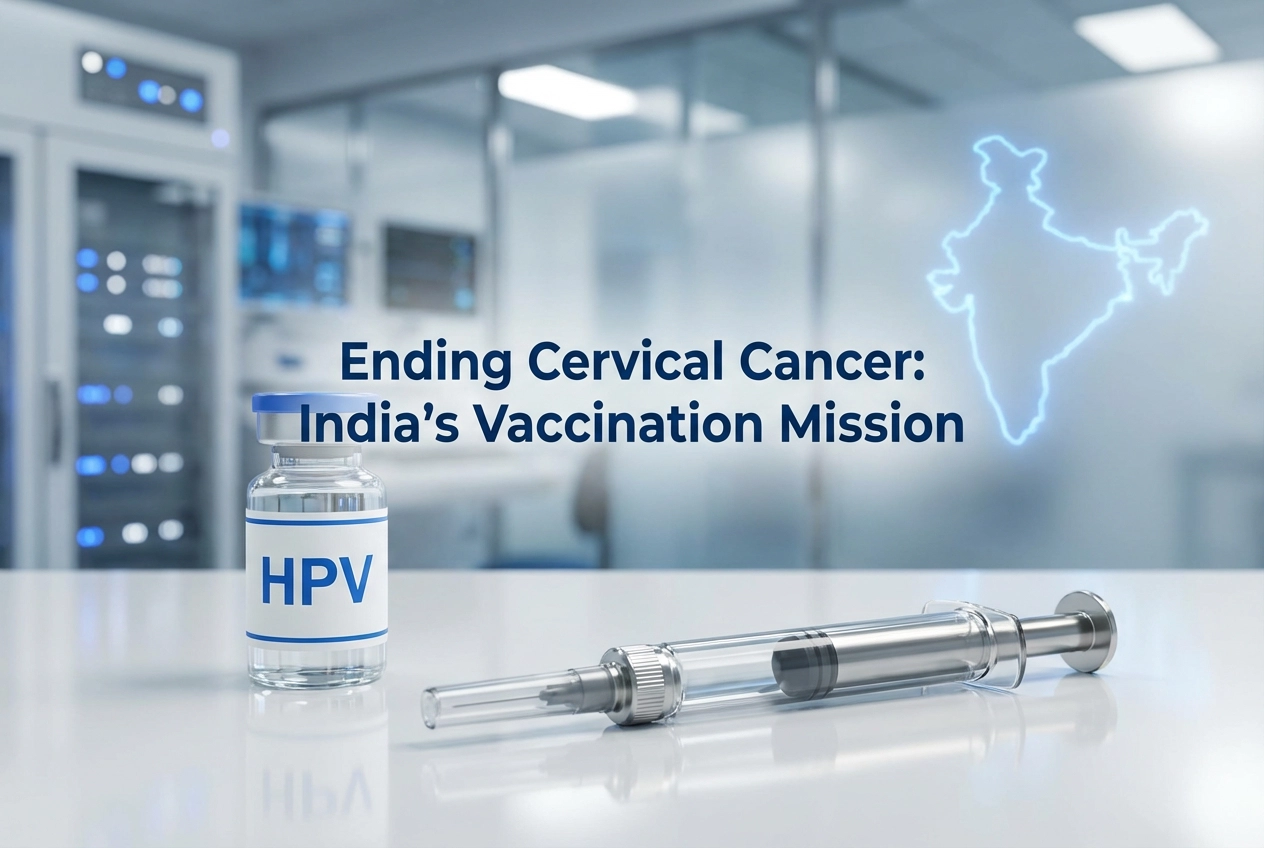
HPV vaccination India initiatives are currently reshaping the landscape of women’s oncology. Consequently, the burden of cervical cancer, which remains the second most common malignancy among Indian women, could drastically decrease. Human Papillomavirus (HPV) causes nearly all cases of this disease. Therefore, medical professionals must emphasize primary prevention. Fortunately, the body often clears the virus naturally. However, persistent infections with high-risk strains can lead to cellular changes over decades. Therefore, universal coverage represents a critical public health objective.
The Clinical Impact of HPV Vaccination India
The vaccine acts as a powerful preventive tool against oncogenic HPV types. Specifically, the latest nationwide drives target girls between ages 9 and 14. This age group is ideal because the vaccine works most effectively before any viral exposure. Furthermore, research indicates that these vaccines are exceptionally safe. Minor side effects like injection site pain may occur. Nevertheless, the long-term benefits of protection far outweigh these transient issues. Clinicians should educate families to dispel myths and reduce vaccine hesitancy.
Integrating Vaccination and Screening Protocols
While vaccines offer robust protection, they do not cover every oncogenic HPV variant. Thus, regular screening remains a non-negotiable component of care. Specifically, Pap smears and HPV DNA testing should continue even for vaccinated individuals. This dual approach ensures the highest level of safety. Currently, the Indian government has adopted the WHO 90-70-90 targets. This strategy aims for 90% vaccination by age 15, 70% screening by age 45, and 90% treatment coverage. By achieving these pillars, we can realistically envision a future free of cervical cancer.
Frequently Asked Questions
Q1: Who should receive the HPV vaccine in the current national drive?
The primary target group for free vaccination in India includes girls aged 9 to 14 years. However, adult women up to age 45 may still benefit from catch-up schedules in clinical practice.
Q2: Is the HPV vaccine safe and what are the side effects?
Extensive global research confirms that the vaccine is safe and non-live. Common side effects are generally mild, such as low-grade fever or localized soreness at the injection site.
Q3: Does getting the vaccine eliminate the need for Pap smears?
No, screening remains vital. Because the vaccine does not protect against all high-risk HPV types, regular screening through Pap smears or HPV testing is essential for comprehensive prevention.
References
- HPV Vaccination & How It’s Helping in Cervical Cancer – ETHealthworld
- India backs WHO’s 90-70-90 target to eliminate cervical cancer – DD News
- HPV Vaccination Schedule Recommendations – Praxis Medical Insights
Disclaimer: This article was automatically generated from publicly available sources and is provided for informational and educational purposes only. OC Academy does not exercise editorial control or claim authorship over this content. It is not a substitute for professional medical advice, diagnosis, or treatment. Always consult a qualified healthcare provider and refer to current local and national clinical guidelines.