
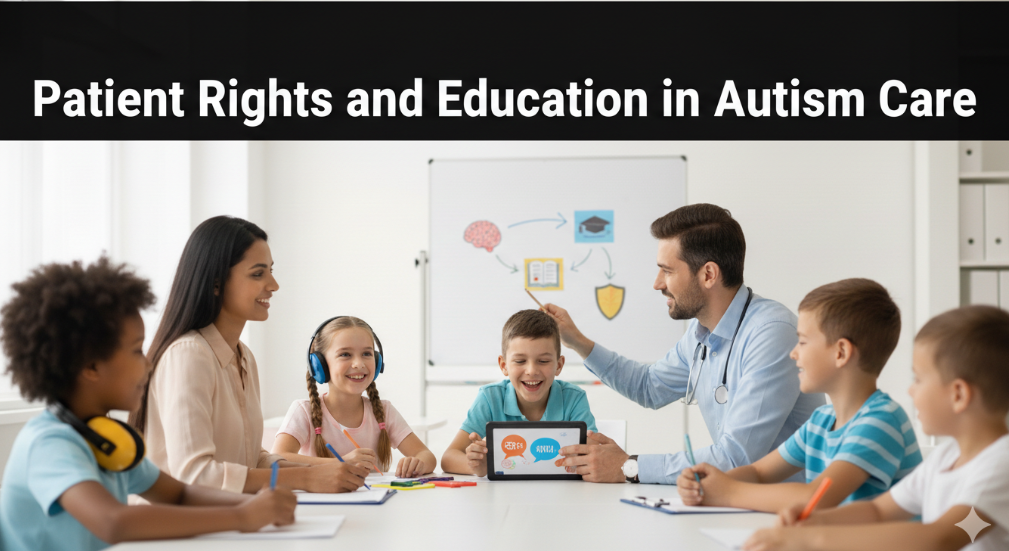
As junior doctors in India, particularly those rotating through pediatric neurology or developmental clinics, understanding the intricacies of autism care extends far beyond diagnosis and medical management. It encompasses a profound appreciation for patient rights and the critical role of educational accommodations. These facets are not merely administrative details; they are fundamental to ensuring holistic development and optimal outcomes for children and adolescents on the autism spectrum.
Upholding Patient Rights in Autism Care
Patient rights form the bedrock of ethical medical practice. For individuals with Autism Spectrum Disorder (ASD), these rights often require careful interpretation and advocacy. Every patient, irrespective of their neurodevelopmental profile, has the right to dignity, respect, privacy, and informed consent. However, for those with communication challenges or intellectual disabilities often co-occurring with ASD, obtaining truly informed consent or respecting autonomy can present unique challenges. It is our responsibility to ensure that parents or legal guardians are thoroughly counselled, and where appropriate, augmentative and alternative communication (AAC) strategies are employed to involve the child in decision-making to the fullest extent possible. Furthermore, the right to non-discrimination means ensuring equitable access to healthcare services, free from bias or preconceived notions about their capabilities or prognosis. We must be vigilant in identifying and addressing any systemic barriers that might impede access to quality autism care.
Consider a scenario: A 10-year-old child with non-verbal autism is admitted for a non-urgent surgical procedure. The medical team initially struggles with understanding the child’s distress cues, leading to delayed pain management. Here, the right to appropriate and timely care, tailored to the patient’s communication style, was initially compromised. Advocating for a pre-procedural visit to acclimatize the child to the hospital environment, involving the child’s primary caregiver in communication, and utilizing visual schedules could significantly improve this experience.
Educational Accommodations: A Cornerstone of Developmental Support
Beyond the clinical setting, educational accommodations are paramount for the holistic development of children with ASD. The Indian legal framework, particularly the Rights of Persons with Disabilities Act, 2016, mandates inclusive education and reasonable accommodations. For us, as clinicians, this means understanding the types of accommodations that can significantly impact a child’s learning trajectory and being able to guide families effectively. These can range from minor adjustments, such as preferential seating or extended time for assignments, to more significant interventions like individualized education plans (IEPs), sensory-friendly classroom environments, or the provision of shadow teachers or special educators.
The goal of these accommodations is to create an accessible learning environment that addresses sensory sensitivities, communication differences, and social learning challenges inherent to ASD. Without appropriate educational support, children with autism may struggle to reach their full academic and social potential, leading to increased anxiety, behavioral challenges, and reduced quality of life. Therefore, our role extends to liaising with educators, providing medical documentation to support accommodation requests, and educating families about their child’s entitlements.
Advocating for Integrated Care and Support
Effective autism care necessitates a multidisciplinary approach. This involves not only medical specialists but also psychologists, speech therapists, occupational therapists, social workers, and educators. As junior doctors, you are often at the front lines, the first point of contact for families navigating a new diagnosis. Your ability to connect families with appropriate support services, including those pertaining to educational rights and accommodations, is invaluable. A comprehensive care plan should always consider the child’s school environment and home life, striving for consistency and reinforcement of therapeutic strategies across all settings. Understanding the local resources and legal provisions available for children with disabilities is an essential competency.
Frequently Asked Questions
Q1: What are the primary legal frameworks in India protecting the rights of individuals with autism?
The primary legal framework is the Rights of Persons with Disabilities Act, 2016, which outlines comprehensive rights, including non-discrimination, education, and accessibility, for individuals with various disabilities, including autism spectrum disorder.
Q2: How can I, as a junior doctor, effectively advocate for educational accommodations for my patients with ASD?
You can advocate by providing clear, detailed medical reports supporting the need for specific accommodations, educating parents about their child’s rights under the RPWD Act, and facilitating communication between families and school authorities or special educators. Understanding local support groups and NGOs can also be beneficial.
Q3: What role does informed consent play when treating a child with severe non-verbal autism?
For children with severe non-verbal autism, informed consent typically involves detailed discussions with parents or legal guardians. Efforts should also be made to involve the child through non-verbal cues, visual aids, or AAC devices, ensuring their assent is considered to the extent possible, always prioritizing their best interests and dignity.