How BandhuCare AI Companion Transforms Oncology in India

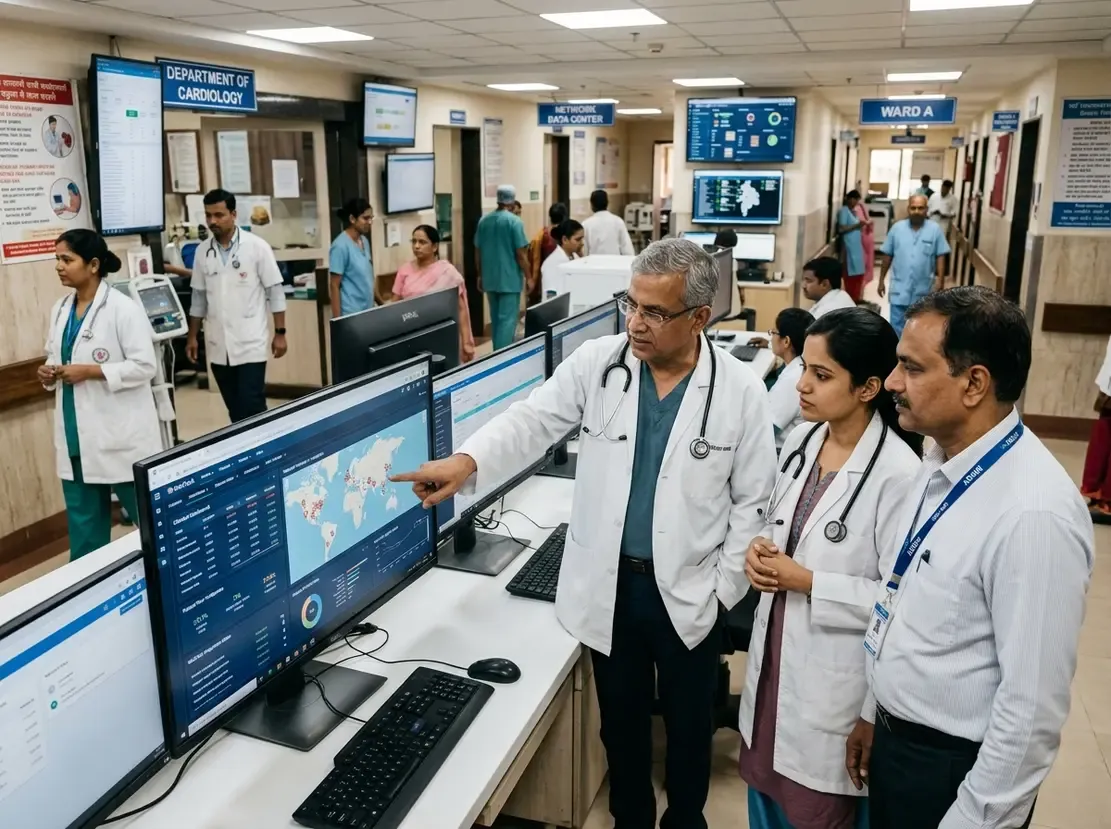
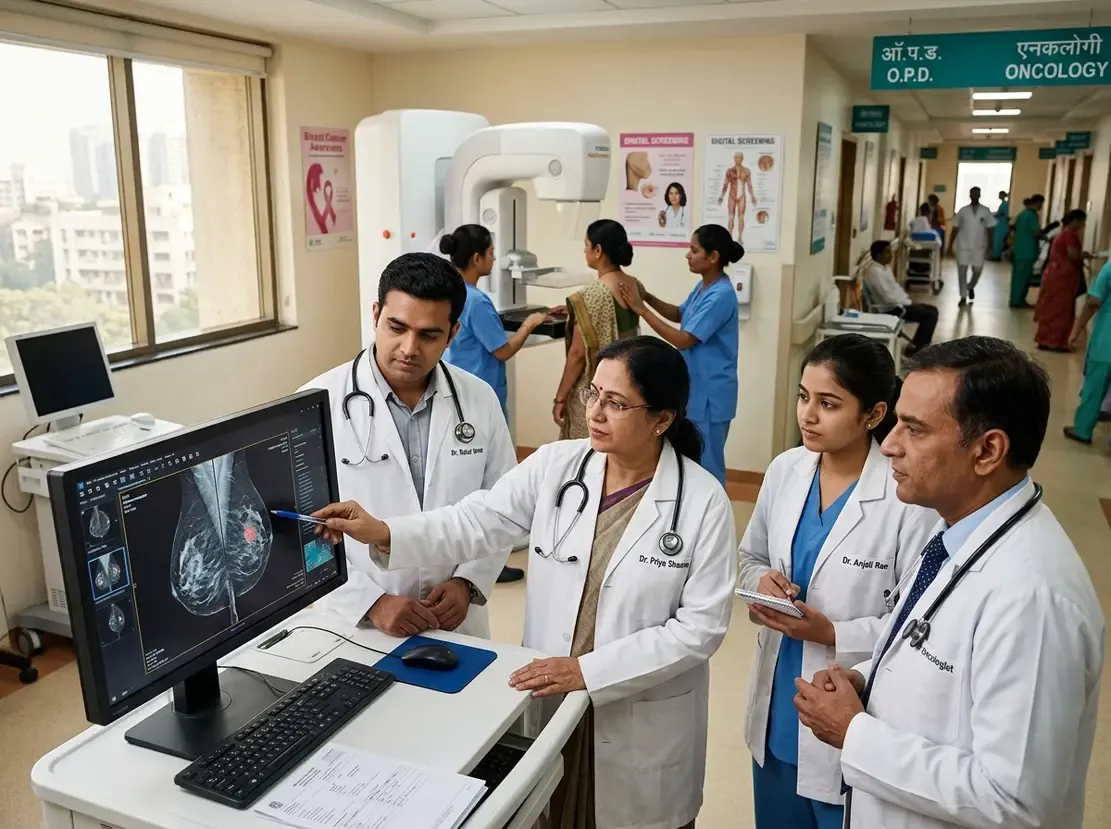
Clinicians in India often struggle to monitor oncology patients between their scheduled hospital visits. To address this critical gap, a consortium led by CMC Vellore and IIIT Hyderabad has developed the BandhuCare AI companion. This multilingual artificial intelligence platform actively helps patients manage their recovery process and tracks symptoms through natural daily conversations. For those looking to deepen their expertise in cancer care, pursuing a Certification Course In Clinical Oncology is an excellent step toward mastering modern treatment protocols.
Bridging Communication Gaps with the BandhuCare AI Companion
Oncology treatments often cause severe anxiety and physical distress for patients returning home. Consequently, patients frequently forget to report critical post-treatment symptoms to their doctors. The BandhuCare AI companion solves this issue by offering natural conversational tracking. Specifically, patients can describe their symptoms through text or voice in eight Indian languages. Additionally, the platform translates these records into structured clinical summaries for doctors before consultations. Therefore, clinicians receive an accurate picture of the patient’s condition between scheduled visits.
Ensuring Clinical Safety and Reducing Hallucinations
Medical AI tools must guarantee extreme clinical safety before they reach vulnerable oncology patients. For this reason, the platform uses Retrieval-Augmented Generation to avoid internet-derived inaccuracies. Furthermore, an additional AI safety layer verifies every response against a clinician-approved medical knowledge base. As a result, the tool effectively eliminates dangerous AI hallucinations. However, experts emphasize that this tool serves strictly as clinical support. Medical practitioners must always correlate the AI-generated data clinically before initiating any treatment decisions. Professionals looking to stay updated on advancements in the field should explore various Oncology Speciality Courses to enhance their decision-making capabilities.
Expanding Clinical Pilots Across India
The consortium has already reached Technology Readiness Level 5 for this innovative platform. Currently, the team is initiating clinical pilots with head and neck cancer patients. Meanwhile, they plan to expand the system to other chronic diseases like diabetes and cardiovascular conditions. Multilingual support remains vital because language barriers frequently complicate cancer care in large referral centers. Ultimately, this tool will help high-volume government hospitals save consultation time and optimize patient documentation.
Frequently Asked Questions
Q1: What is the main purpose of the BandhuCare AI companion?
The companion helps cancer patients track symptoms and resolve post-treatment queries using only clinician-verified medical data.
Q2: Which institutions developed this conversational AI platform?
A multi-partner consortium developed the tool, including CMC Vellore, IIIT Hyderabad, AIIMS Guwahati, Revan AI, and PatientsEngage.
Q3: How does the system ensure medical safety?
It uses Retrieval-Augmented Generation and an safety layer to cross-check every response against approved medical databases.
References
- IIIT-H, CMC Vellore develop multilingual AI companion for cancer patients – ETHealthworld
- CMC Vellore & IIIT-H develop multilingual AI companion for cancer patients
- IIIT Hyderabad, CMC Vellore build multilingual AI for cancer care – Telangana Today
Disclaimer: This article was automatically generated from publicly available sources and is provided for informational and educational purposes only. OC Academy does not exercise editorial control or claim authorship over this content. It is not a substitute for professional medical advice, diagnosis, or treatment. Always consult a qualified healthcare provider and refer to current local and national clinical guidelines.