Scaling MedTech in Indian Hospitals Beyond Single Pilots
Indian healthcare providers frequently evaluate cutting-edge surgical tools and diagnostic platforms. However, achieving successful pilot runs in single centres does not guarantee wider clinical utility. Consequently, scaling medtech adoption across multispecialty hospital networks requires systemic alignment, clinical evidence, and sustained operational support. Modern clinical administrators must look beyond initial technological novelty. Instead, they must evaluate long-term patient outcomes, institutional workflows, and reproducible safety metrics across diverse clinical settings.
Clinical Evidence Must Precede Enthusiasm
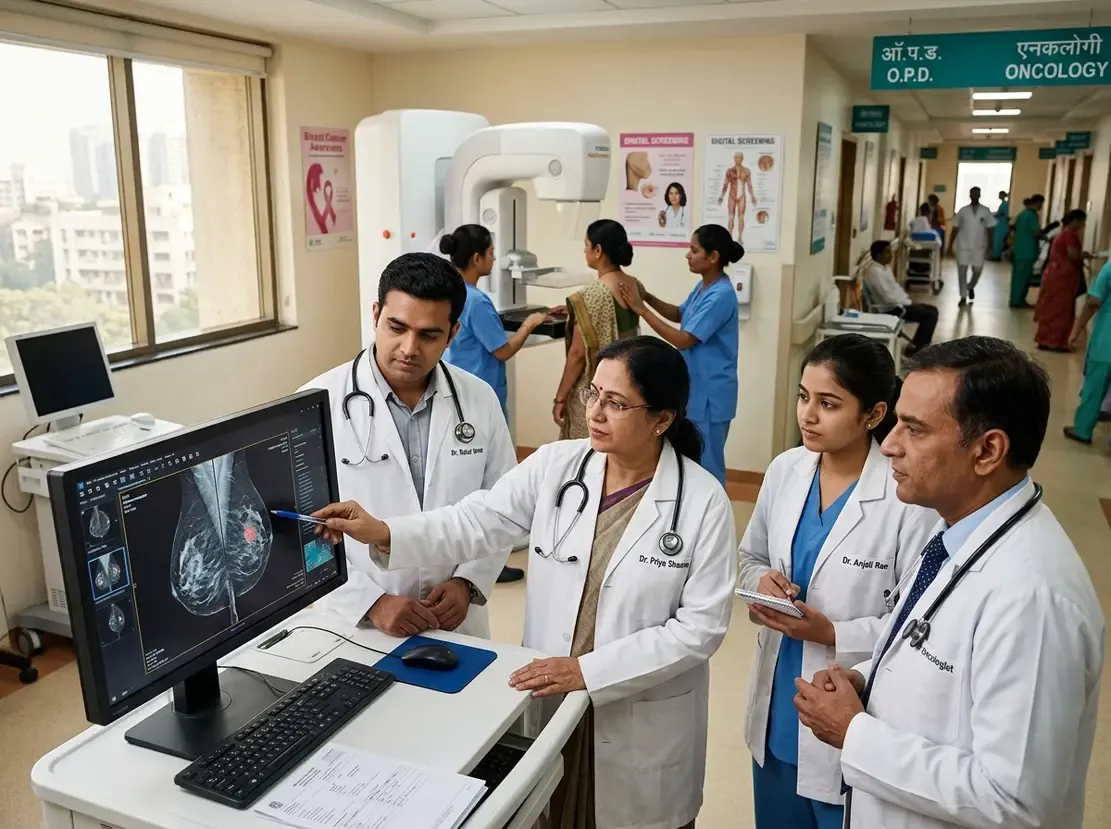
Clinicians often encounter rapid technological novelties, ranging from robotic surgical consoles to automated staplers. However, surgical teams cannot adopt devices merely due to novelty or industry enthusiasm. Surgeons require verifiable data demonstrating measurable clinical benefit. For instance, advanced stapling devices succeed because they reduce tissue complications, secure resection margins, and shorten the operative learning curve. Therefore, robust clinical trials, local clinical governance, and standardized operating protocols must guide every institutional purchase. Furthermore, when data supports a technology, adoption becomes significantly safer and more dependable.
Operational Strategy for Scaling MedTech Adoption
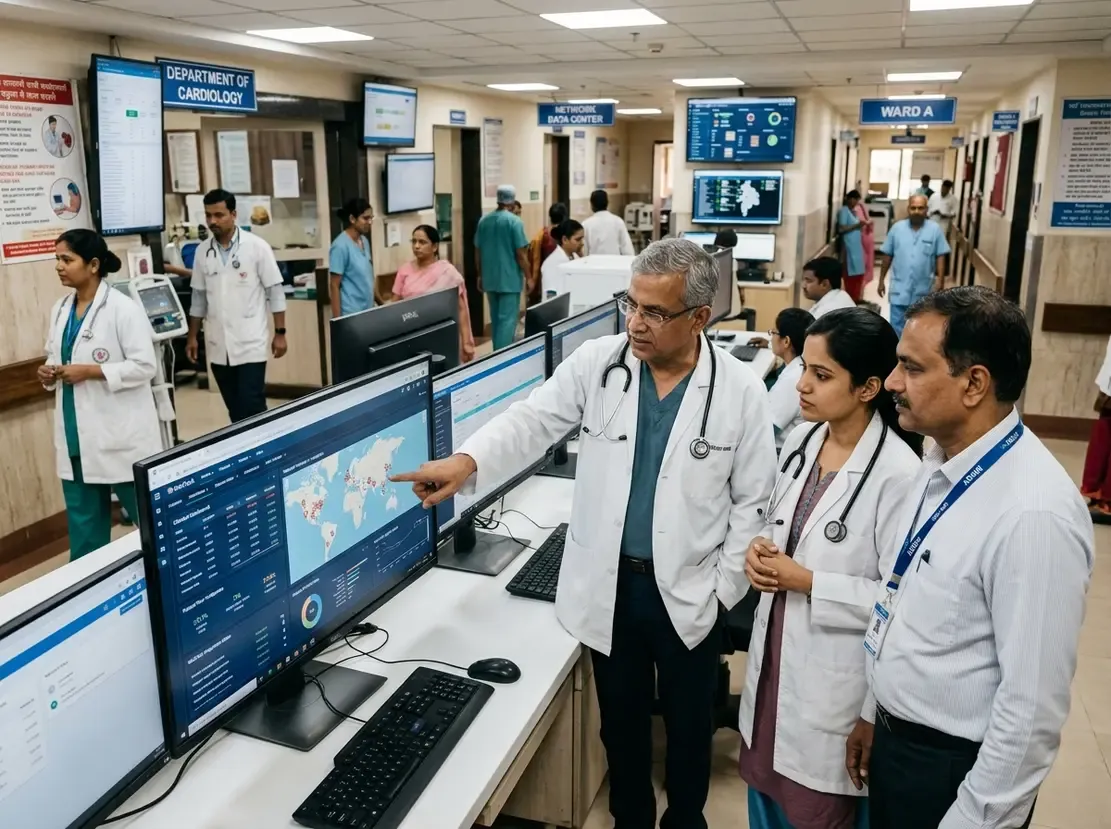
While a dedicated clinician can make a pilot program thrive at a flagship facility, replicating that success across an entire network presents major challenges. Consequently, hospital systems require structured organizational mindsets and dedicated innovation offices. Healthcare executives must avoid purely tactical, short-term routines. Instead, leadership teams must design deliberate spaces to evaluate emerging tools. Furthermore, comprehensive workflow integration requires cross-disciplinary training for nurses, technicians, and biomedical engineers. In addition, interoperable digital platforms and unified electronic records prevent institutional friction and sustain technology implementation over time.
Reevaluating Capital and Return on Investment
Scaling medical innovations demands a broader financial perspective than traditional procurement allows. In many cases, high-impact clinical technologies do not yield immediate 25% returns on invested capital. Instead, hospital administrators must track total cost of care rather than standalone procedural costs. For example, reduced hospital readmissions, shorter intensive care stays, and fewer postoperative complications create long-term economic stability. Viability may take four to six years to mature. Consequently, patient satisfaction, reduced complication rates, and community trust serve as enduring indicators of genuine technological value.
Expanding Quality Care to Tier-2 and Tier-3 Cities
Advanced medical care cannot remain isolated in metropolitan centers. Therefore, healthcare networks must build hub-and-spoke models that deliver sophisticated interventions to tier-two and tier-three cities. Specifically, standardized protocols and simulation training allow regional surgeons to achieve the same precision as their metropolitan counterparts. In addition, outcome-linked models from health insurers can accelerate regional tech access. Ultimately, by aligning clinicians, hospital leaders, and technology partners, healthcare networks can deliver reliable quality care to every patient regardless of geography.
Frequently Asked Questions
Q1: Why do medtech pilot programs frequently fail to scale across hospital networks?
Pilot programs often rely on an individual champion at a single center. Consequently, hospital networks struggle without systemic workflow integration, specialized staff training, and long-term capital planning.
Q2: How should hospital administrators measure the return on investment for advanced medical equipment?
Administrators should assess the total cost of care rather than single-procedure margins. For example, lower complication rates, reduced hospital stays, and elevated patient trust generate sustained financial returns over multiple years.
Q3: What role does clinical evidence play in technology procurement?
Clinicians require verifiable outcomes that show clear diagnostic or therapeutic benefit. Therefore, hospitals adopt new medical devices only when documented data proves patient safety, procedural efficiency, and reproducible results.
References
- Innovation Isn't Enough: Hospital Leaders on What It Takes to Scale MedTechBeyond the Pilot - ETHealthworld
- FICCI & Praxis Global Alliance. AI in MedTech: Revolutionising Healthcare Through Artificial Intelligence. 2026.
- Bain & Company. India Healthcare Innovation and Clinical AI Adoption Report. 2026.