Cancer Drug Theft in Delhi Hospital Sparks Police Probe

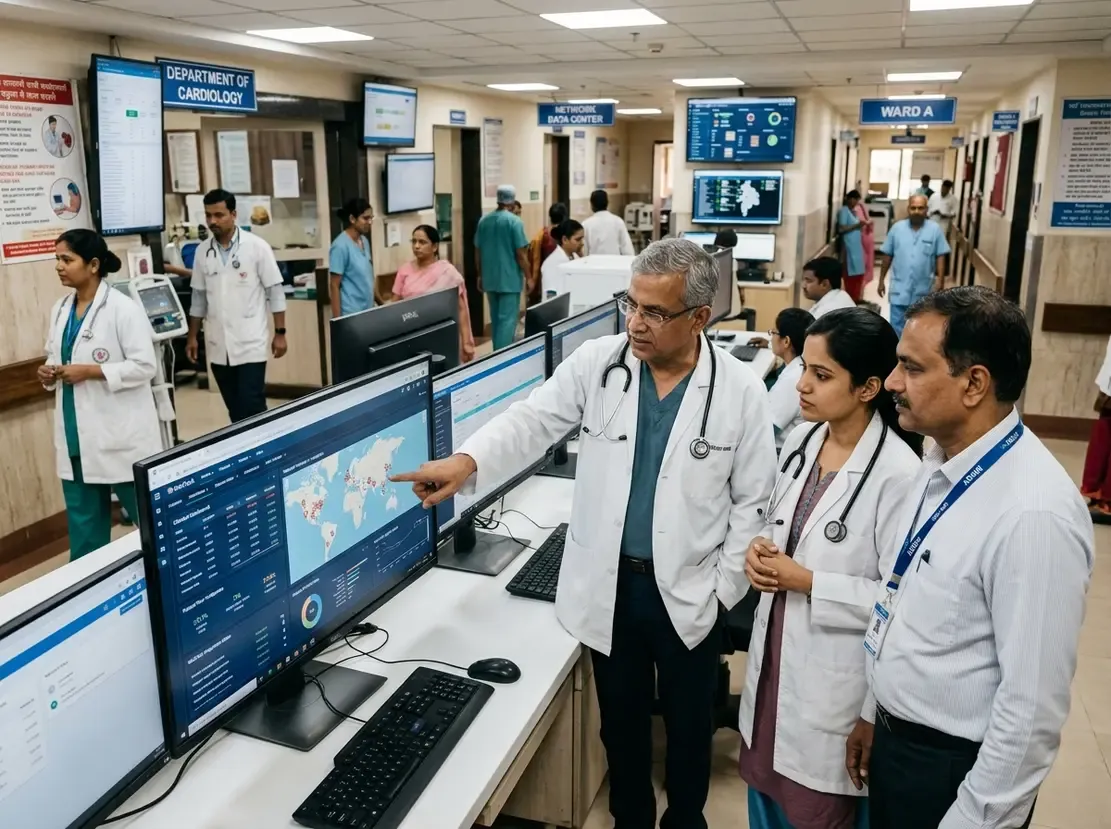
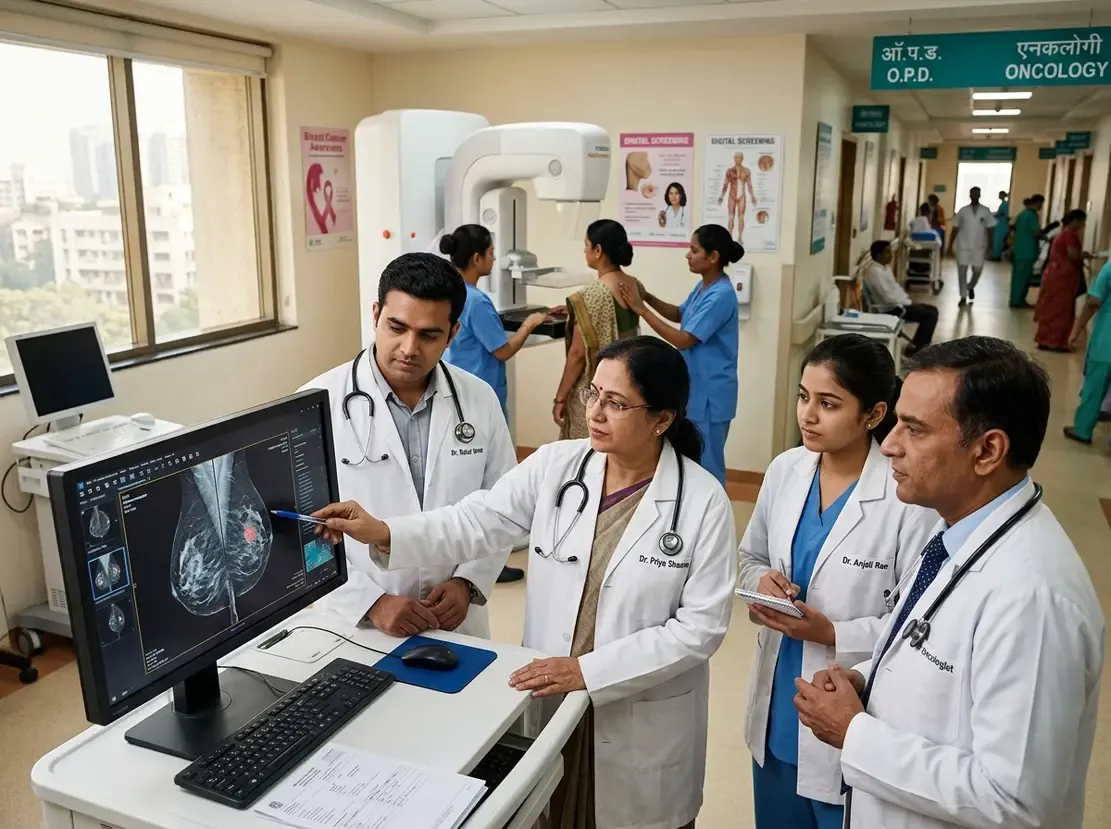
Authorities in Delhi have launched an urgent investigation following a reported cancer drug theft at a premier state-run facility. Specifically, four boxes containing 16 vials of the targeted therapy drug Nimotuzumab vanished from the Delhi State Cancer Institute. Hospital administrators estimate the commercial value of these missing medicines between Rs 9 lakh and Rs 10.8 lakh. Consequently, clinicians and administrators must examine critical vulnerabilities in hospital pharmacy workflows.
Details of the Incident and FIR Filing
According to the hospital complaint, the chemotherapy staff placed the injections inside a designated refrigerator on October 3. However, healthcare staff discovered the four boxes missing on October 5 when preparing patient doses. Dr Pankaj Tyagi, associate professor of gastroenterology, immediately submitted a formal complaint to the police. Subsequently, the GTB Enclave police station registered a First Information Report under Section 305(a) of the Bharatiya Nyaya Sanhita. Furthermore, the hospital established an internal inquiry committee to scrutinize local medicine inventories and logbooks.
Clinical Impact and Preventing Cancer Drug Theft
Nimotuzumab is a specialized humanized monoclonal antibody targeting the epidermal growth factor receptor. Oncologists routinely prescribe this biologic agent to treat advanced squamous cell carcinoma of the head and neck and glioblastoma. Because monoclonal antibodies require strict cold-chain storage between two and eight degrees Celsius, diverted vials rapidly degrade. Therefore, stolen oncology medications reintroduced into informal supply chains pose severe safety risks to unsuspecting patients. Additionally, unexpected shortages directly interrupt planned chemotherapy cycles and compromise treatment efficacy.
Securing High-Value Oncology Biologics in Hospitals
Police investigators suspect an organized racket because similar diversion incidents occurred previously in government healthcare centers. To mitigate these risks, hospital administrators should enforce biometric access controls on all chemotherapy storage units. Moreover, pharmacy teams must implement real-time electronic inventory logging and dual-custody verification protocols. Continuous CCTV surveillance over cold-chain refrigerators also deters unauthorized access. In conclusion, stringent chain-of-custody protocols safeguard life-saving therapies and protect institutional integrity.
Frequently Asked Questions
Q1: What clinical role does Nimotuzumab play in cancer therapy?
Nimotuzumab is a monoclonal antibody that inhibits the epidermal growth factor receptor. Oncologists use it primarily to treat head and neck squamous cell carcinomas as well as malignant gliomas.
Q2: Why are oncology biologics vulnerable to hospital theft?
High retail prices and persistent demand create lucrative black-market opportunities for specialized cancer drugs. Additionally, inadequate physical surveillance in busy chemotherapy preparation rooms can facilitate unauthorized diversion.
Q3: How do compromised supply chains affect oncology patient safety?
Stolen biologics frequently break the mandatory cold chain, leading to protein degradation and loss of therapeutic potency. Consequently, patients face treatment failure, toxic reactions, or unexpected disease progression.
References
- Cancer drug worth over Rs 9 lakh missing from Delhi hospital; probe ordered - ETHealthworld
- Costly cancer injections missing from Delhi govt hospital - The Times of India
- Expensive Cancer Injections and Antiviral Tablets Go Missing from Delhi Government Hospital, FIR Registered - DrugsControl Media Services