Inside the Deadly 2026 Bundibugyo Ebola Epidemic
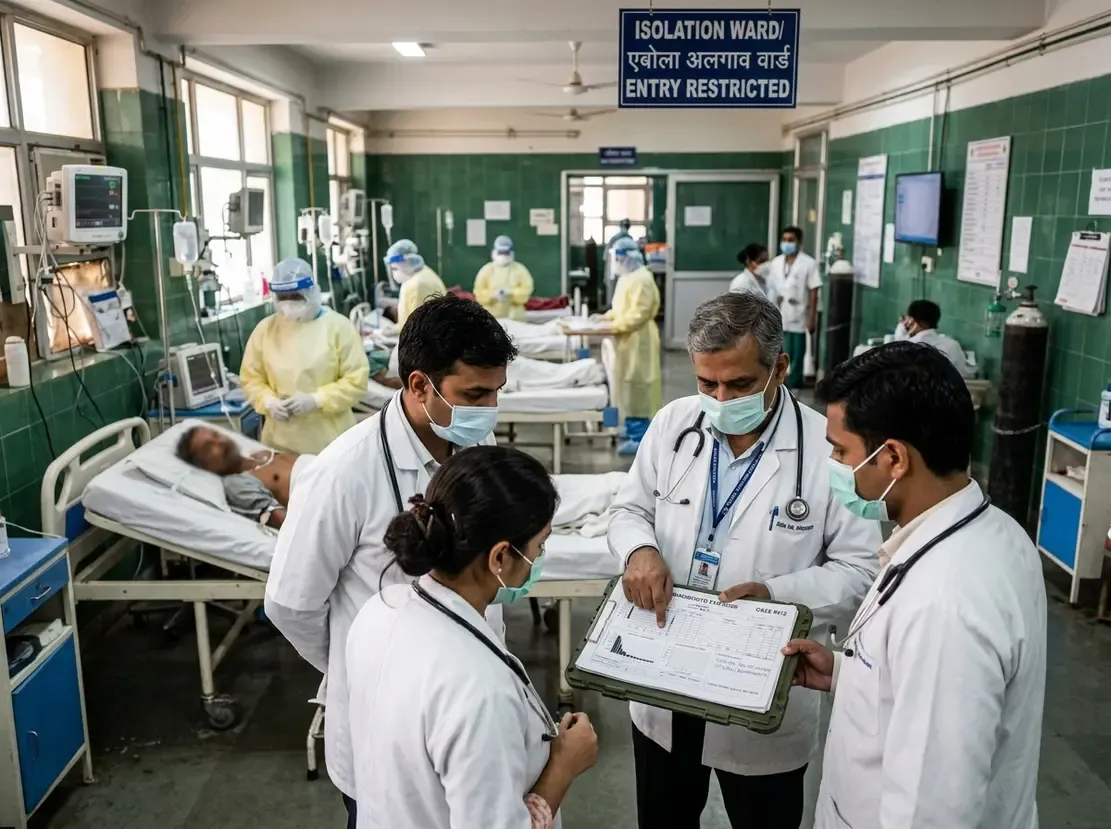
Epidemiology of the Bundibugyo Ebola Outbreak
The ongoing Bundibugyo Ebola outbreak in the Democratic Republic of the Congo has officially claimed over 3,000 lives. Recent government data confirms more than 6,180 cases across six provinces. Consequently, international public health bodies have intensified emergency surveillance protocols. This epidemic now represents the second-largest Ebola event in recorded history.
Health authorities first declared the outbreak in Ituri province during May. However, epidemiological investigations suggest initial transmission likely began earlier in the year. Surveillance gaps and regional insecurity continue to challenge rapid containment. In addition, nearly 60% of fatalities occur outside dedicated isolation units.
Clinical Presentation and Diagnostic Challenges
Patients with Bundibugyo virus disease typically present after an incubation period of 2 to 21 days. Initially, individuals experience non-specific symptoms such as acute fever, severe fatigue, and intense myalgia. Subsequently, gastrointestinal signs emerge, including profuse watery diarrhoea, nausea, and persistent vomiting. Therefore, clinicians must maintain a high index of suspicion in returned travellers.
Differentiating this infection from malaria, typhoid, or dengue remains critical in endemic and travel medicine contexts. Diagnostic confirmation requires reverse transcription-polymerase chain reaction testing in specialized containment facilities. However, rapid field diagnosis remains limited in remote healthcare settings. Thus, early syndromic identification and strict isolation prevent widespread nosocomial transmission.
Therapeutic Strategies and Vaccine Research
Currently, no specific antiviral therapy holds full regulatory approval for Bundibugyo virus infection. Standard management relies primarily on aggressive supportive care, fluid resuscitation, and electrolyte correction. Furthermore, clinicians must promptly manage co-infections and secondary organ dysfunction.
Frontline health workers currently receive the Ervebo vaccine under emergency research protocols. Although manufactured specifically for the Zaire ebolavirus species, experts evaluate its potential cross-protective immune response. Meanwhile, researchers are accelerating dedicated vaccine candidates, including novel vector-based platforms. Accordingly, rapid clinical trials remain vital to halt ongoing regional transmission.
Frequently Asked Questions
Q1: What species is causing the current Ebola outbreak?
The outbreak is caused by the Bundibugyo virus, a distinct species within the Orthoebolavirus genus.
Q2: Is the standard Ervebo vaccine fully effective against Bundibugyo virus?
Ervebo is licensed specifically for Zaire ebolavirus. However, health agencies are administering it to frontline workers under research protocols to evaluate potential cross-protection.
Q3: What are the primary initial symptoms of Bundibugyo virus disease?
Early clinical signs include sudden fever, headache, profound fatigue, and muscle aches, which often progress rapidly to severe gastrointestinal distress.
References
- Congo's Ebola outbreak kills more than 3,000, government figures show - ETHealthworld
- World Health Organization. Ebola disease caused by Bundibugyo virus - Democratic Republic of the Congo. 2026.
- Centers for Disease Control and Prevention. Notes from the Field: Characteristics and Monitoring of the 2026 Outbreak of Ebola Disease Caused by Bundibugyo Virus. MMWR. 2026.