
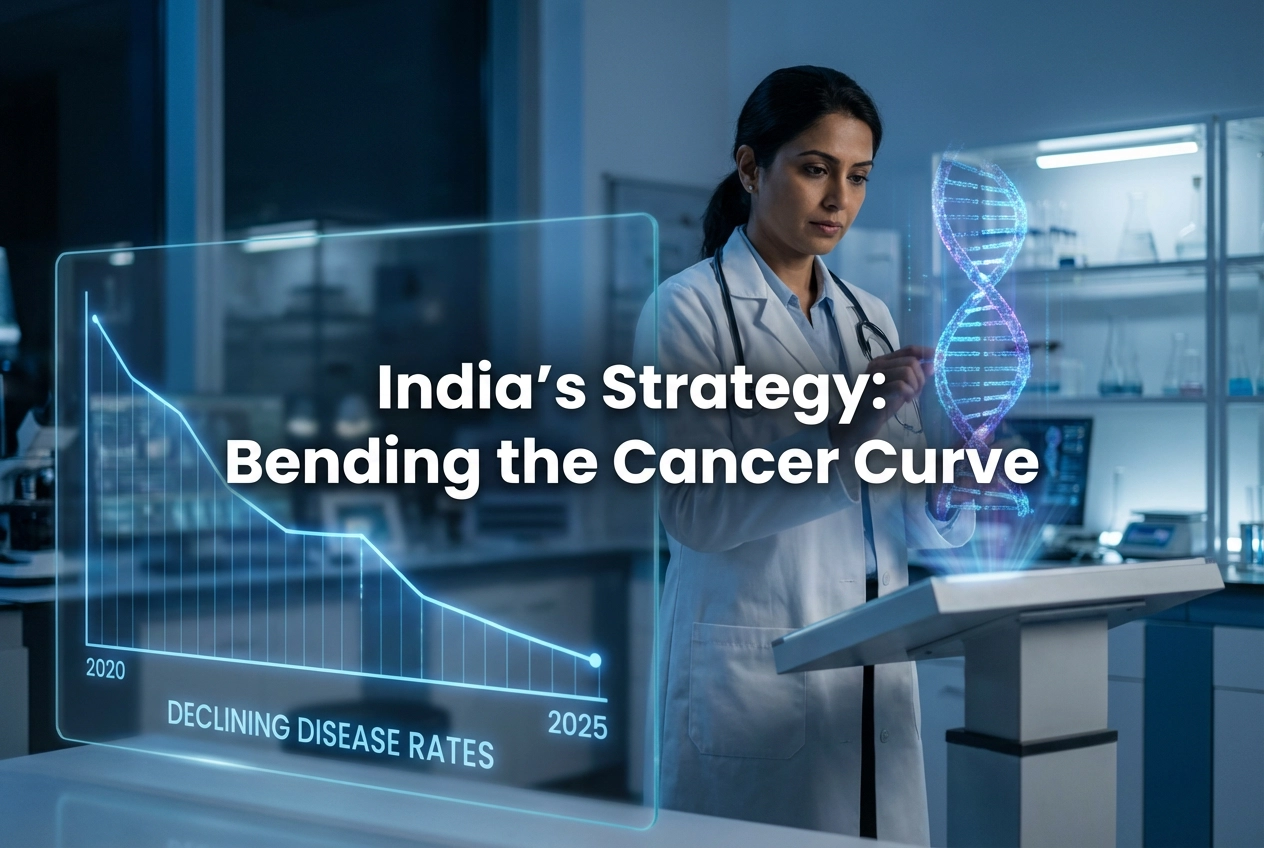
India’s escalating cancer burden necessitates a strong and vigilant Cancer Prevention strategy. This approach acts as a crucial shield, preventing patients from entering the devastating cycle of late-stage interventions. The World Health Organisation (WHO) estimates that four out of every ten cancer cases are preventable. However, Indian clinicians suggest the impact of prevention domestically could be far greater. For instance, prevention could potentially avert up to 70% of oral and breast cancer cases. Consequently, these highly preventable malignancies are the leading causes of cancer-related mortality among men and women.
Shifting the National Focus from Treatment to Prevention
Dr. Pankaj Chaturvedi, Director of ACTREC, Tata Memorial Centre, addressed the ETHealthWorld Oncology Leadership Summit. Therefore, he highlighted the critical need to shift focus from treatment to prevention. He noted that expanding hospital infrastructure alone cannot curb the mounting patient burden, despite rapid expansion nationwide. Most patients now have some form of public or private insurance coverage. Furthermore, unlike hypertension or diabetes, many cancers like oral, cervical, and breast are largely preventable. This fact makes early intervention and awareness critical for public health policy. The real opportunity lies in advancing prevention, rather than remaining locked in the relentless pursuit of treatment alone.
The Crucial Role of Cancer Prevention and Screening
India’s primary cancers, such as oral and breast cancer, are highly responsive to early detection strategies. For example, oral cancer typically takes 10 to 15 years to develop, offering a wide window for prevention or early detection. Dr. Chaturvedi’s study in Dharavi, Mumbai, demonstrated that mass breast cancer screening reduced mortality by 30 percent. ACTREC’s screening initiatives have successfully shown a 93% concurrence rate across 40,000 patients. Consequently, the institute is developing AI-based tools to reduce the burden on physicians further. Nevertheless, a significant barrier remains in the low uptake of existing government-run screening programs, which is around just 3 percent. Doctors must stress the importance of technology integration, including mobile-based screening tools, to detect cancer at a reversible stage in low-resource settings.
Addressing Lifestyle Factors in Cancer Prevention
Sustainable progress in reducing the cancer burden hinges on essential lifestyle changes. Chiefly, addressing the consumption of tobacco, alcohol, and areca nut is vital. These habits are not only major cancer risk factors but are also key drivers of other non-communicable diseases. Oral hygiene is equally critical for preventing oral cancers. While tobacco use is declining across generations, the sharp rise in alcohol consumption could keep the cancer burden elevated. Alcohol metabolises into acetaldehyde, a banned substance in India. This compound damages DNA and ultimately increases cancer risk. Therefore, shifting decisively towards both prevention and early detection is inevitable to reverse India’s rising cancer burden. Professionals looking to enhance their management skills regarding cancer treatment can explore the Certification Course In Clinical Oncology.
Frequently Asked Questions
Q1: What is the estimated preventable percentage of cancer cases in India?
While the WHO estimates four out of ten cases are preventable globally, Indian clinicians believe that for prevalent indications like oral and breast cancer, prevention could potentially avert up to 70% of cases.
Q2: What are the primary barriers to successful cancer screening in India?
Fear of diagnosis is a major barrier. Consequently, the uptake of government-run screening programs remains low, at around just 3 percent, despite their availability.
Q3: What lifestyle factors are highlighted as the main drivers of cancer in India?
Key lifestyle factors that need urgent attention include the consumption of tobacco (including smokeless forms), alcohol, and areca nut. Maintaining good oral hygiene is also considered critical for preventing oral cancers.
References
- Prevention Can Bend India’s Rising Cancer Curve: Dr Chaturvedi – ETHealthworld
- nih.gov: Cancer prevention and control in India can get a boost through primary health care-based approach: A review – PMC.
- indiatoday.in: Which cancers in India are preventable? WHO has the answers.
- nih.gov: Prevention and early detection of oral, breast and cervical cancers: a practical approach in Indian context – PubMed.
- cancerindia.org.in: Cancer Statistics.
- ey.com: How India can reduce its cancer burden.
Disclaimer: This article was automatically generated from publicly available sources and is provided for informational and educational purposes only. OC Academy does not exercise editorial control or claim authorship over this content. It is not a substitute for professional medical advice, diagnosis, or treatment. Always consult a qualified healthcare provider and refer to current local and national clinical guidelines.