
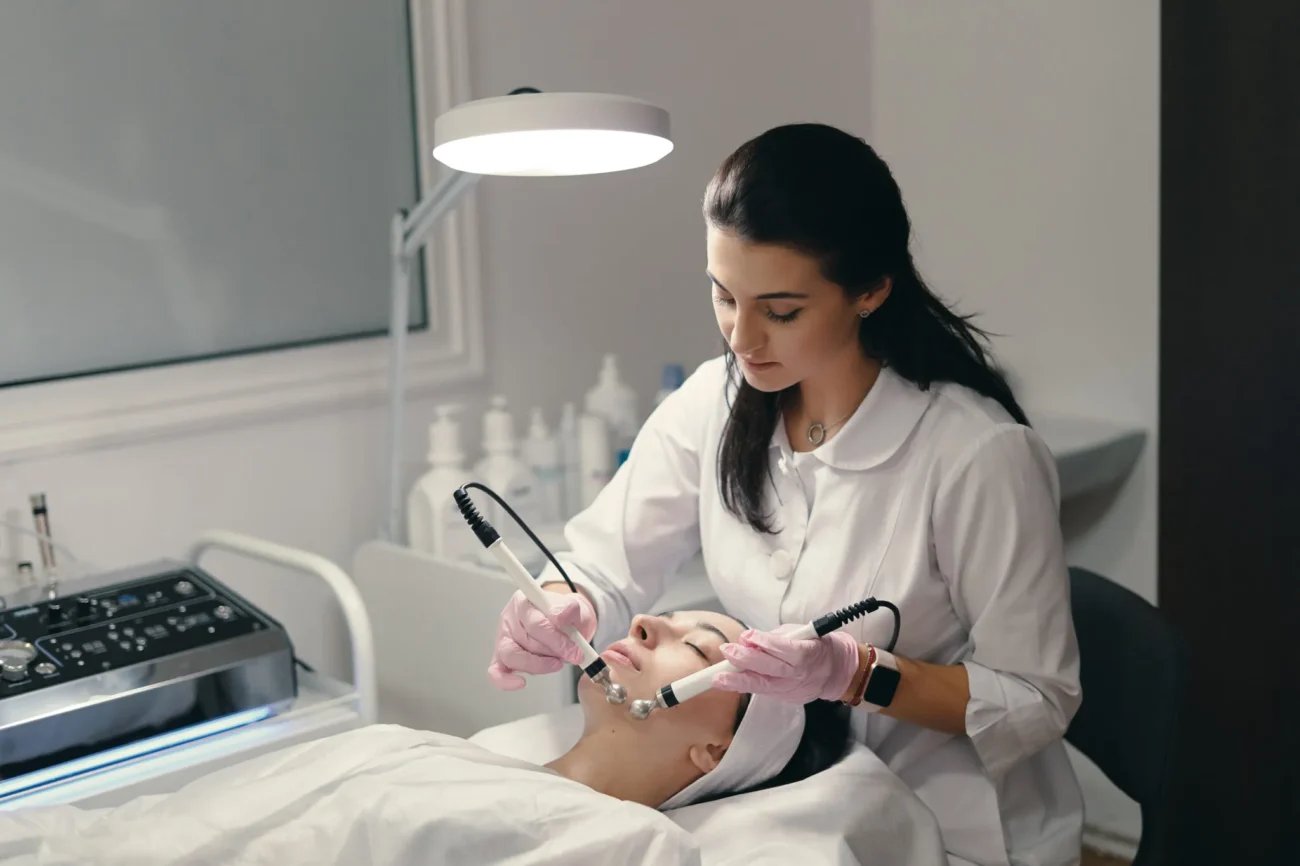
In recent years, dermatology has emerged as one of the most sought-after and dynamic medical specialities in India. As skin health and cosmetic enhancement continue to gain prominence in both public health and private care, the dermatology career scope has expanded significantly. From chronic dermatological conditions to aesthetic procedures, the breadth of opportunities available to MBBS and MD doctors is both clinically relevant and commercially rewarding.
This blog explores the evolving dermatology scope in India, highlighting the rise of cosmetic trends, the role of advanced training, and ways doctors can navigate their careers through structured learning paths.
Why Dermatology Is Gaining Ground
Dermatology is no longer a static, low-pressure speciality. It is a fast-moving, interdisciplinary field that offers the best of both clinical medicine and entrepreneurship. A combination of increasing skin-related health conditions and growing aesthetic consciousness among the population has led to higher patient volumes and more diversified service demand. Dermatology covers a wide range, from long-term conditions like eczema and vitiligo to everyday concerns like scars and pigmentation. It’s a field that matters in both medical and cosmetic care.
The digital transformation of healthcare, social media influence, and the rise in disposable income have further fuelled this trend. For practising doctors, this evolution translates into a multidimensional career path that can be adapted to fit different professional goals, from outpatient care to full-fledged cosmetic clinics.
Clinical Dermatology: The Foundational Pathway
At the heart of dermatology lies its clinical foundation. Clinical dermatology involves the diagnosis, treatment, and management of skin, hair, and nail conditions. This includes everything from common infections and inflammatory disorders to autoimmune diseases and precancerous lesions. MBBS and MD doctors who begin their journey with a strong foundation in clinical dermatology are well-positioned to offer comprehensive care, especially in underserved regions or general practice settings where dermatological knowledge is often limited.
This area of dermatology is deeply evidence-based and offers opportunities to engage in research, patient education, and long-term care. For doctors who enjoy structured patient follow-ups and scientific rigour, clinical dermatology provides both intellectual satisfaction and practical relevance.
Cosmetic Dermatology in India: A Rising Trend
While clinical dermatology remains vital, the emergence of cosmetic dermatology in India has reshaped the profession. With the rapid rise in aesthetic demands across metros and Tier 2 cities, patients today are not just looking for cures; they are looking for cosmetic enhancement, confidence restoration, and age management.
Treatments such as chemical peels, laser resurfacing, pigmentation correction, acne scar revision, Botox, fillers, and hair restoration therapies are no longer niche. Cosmetic dermatology has become mainstream, driven by changing beauty standards, the influence of digital media, and greater accessibility of these treatments.
This sub-speciality offers doctors the ability to provide high-value, elective services within outpatient setups. Procedures are largely non-invasive or minimally invasive, making them low-risk but high-reward, both in clinical and business terms. For MBBS and MD doctors who wish to step into private or aesthetic practice, this is a promising frontier.
Specialisation Through Continued Education
Upskilling is a key to establishing expertise in either clinical or cosmetic dermatology. Many doctors now enrol in structured academic programmes such as a postgraduate dermatology, diploma, or certificate course in dermatology to gain deeper knowledge and formal recognition.
An aesthetic dermatology course can be especially beneficial for those looking to enter or expand cosmetic services. These programmes cover topics such as laser safety, injectable techniques, patient counselling, and complication management. They are often structured as part-time or online offerings, allowing practising doctors to learn while continuing their clinical work.
Equally, doctors with an academic or hospital-based vision may pursue further training in dermatosurgery, trichology, or dermatopathology, strengthening their portfolio in subspecialties that support long-term clinical careers.
Expanding Roles and Career Models
One of the most attractive features of dermatology is its adaptability. Doctors can shape their careers across multiple models, from hospital-based roles and academic research to private practice and digital consultation. With the boom in telemedicine, many dermatologists now offer remote consultations, especially for follow-ups or chronic condition management.
Those inclined towards private practice often combine clinical dermatology with cosmetic procedures, thereby serving both therapeutic and aesthetic patient needs. Others opt for exclusive aesthetic practice, especially after completing a certified skin specialist course or fellowship. The flexibility of the field makes it suitable for doctors at various stages of life and practice.
The demand for dermatologists in medical tourism, wellness collaborations, and brand partnerships also continues to grow. Several practitioners have even expanded into skincare product development, training, and public education.
Dermatology and Entrepreneurship
Unlike many other medical specialities that require large infrastructure or surgical support, dermatology, especially cosmetic dermatology, lends itself well to small and mid-sized clinics. Doctors with the right training can launch independent aesthetic dermatology clinics offering procedures like PRP, laser resurfacing, pigmentation correction, and anti-ageing therapies.
With rising demand, even Tier 2 and Tier 3 cities in India are showing increased footfall for cosmetic dermatology services. Practitioners with business acumen can establish scalable models and even open multi-location clinics with trained teams.
For doctors who are entrepreneurial in spirit, dermatology provides a relatively low-barrier, high-potential field to combine medicine, innovation, and patient experience.
What Makes Dermatology Future-Ready?
The future of dermatology looks increasingly dynamic, thanks to technological advancements and shifting patient expectations. Artificial intelligence is being integrated into diagnostic imaging, while newer laser and RF technologies continue to raise the standard for non-invasive aesthetic treatments.
Simultaneously, dermatology is benefiting from the boom in e-learning. Online access to certified training programmes makes it possible for doctors in any part of India to specialise. This democratises access to knowledge and levels the playing field between urban and rural practitioners.
The popularity of certified, part-time online dermatology courses ensures that doctors can remain updated without leaving their practice. It is not just about learning – it’s about staying relevant.
OC Academy: Supporting Your Dermatology Journey
OC Academy serves as a trusted platform for doctors seeking access to globally certified, flexible learning options. Whether your interest lies in strengthening your clinical acumen or branching into aesthetic dermatology, the courses we list cater to different needs.
We offer you courses from reputed universities and professional bodies providing recognised diplomas, MSc in dermatology, and short-term certifications. From introductory theory to advanced training, our curated selection is designed for doctors who want quality without compromising their time or practice.
Conclusion
Dermatology today stands at the crossroads of clinical science, cosmetic innovation, and professional growth. The opportunities in both clinical dermatology and cosmetic dermatology in India are vast and only expected to grow. With the right training and a clear sense of direction, doctors can build meaningful, rewarding careers – whether that means serving communities through treatment or helping patients achieve their aesthetic goals.
At OC Academy, we help doctors explore credible, flexible learning options from globally recognised institutions. If you’re looking to transition into this field or take your expertise further, now is the time to enrol in a course for dermatology that matches your aspirations and clinical practice.
Frequently Asked Questions (FAQs)
1. Is cosmetic dermatology a good option for MBBS doctors?
Yes, with proper training through an aesthetic dermatology course, MBBS doctors can enter the field and offer a wide range of non-invasive treatments safely and effectively.
2. How do I choose the right skin specialist course?
Look for programmes that are university-certified, flexible in format, and aligned with your long-term goals (clinical, cosmetic, or entrepreneurial).
3. What’s the difference between clinical and cosmetic dermatology?
Clinical dermatology focuses on diagnosing and treating diseases of the skin, while cosmetic dermatology in India deals with procedures aimed at enhancing appearance.