
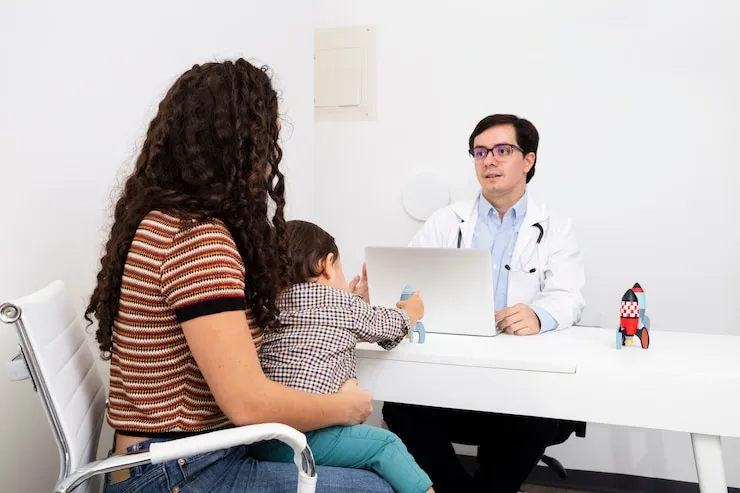
Child and adolescent mental health is gaining unprecedented attention across the globe. The prevalence of psychiatric disorders in young people has risen steadily, with the World Health Organisation estimating that one in seven children aged 10–19 experiences a mental disorder[1]. In India, increasing cases of depression, anxiety, attention-deficit/hyperactivity disorder (ADHD), autism spectrum disorders, and self-harm among children and adolescents highlight the urgency of the issue.
The COVID-19 pandemic accelerated this trend, amplifying stress, social isolation, and behavioural difficulties, while exposing gaps in existing mental health services. Parents are more aware than ever that mental health influences child development and school performance. For the medical profession, this has generated an urgent need for skills in the identification, evaluation, and management of psychiatric illness in young people.
Although psychiatry has long been considered a specialist field, it is now apparent that all paediatricians and GPs are required to learn core competencies in child psychiatry. This article explores the rising need for these skills, the consequences of gaps in care, and how structured learning pathways can enable doctors to integrate mental health into everyday practice.
The Current Landscape of Child and Adolescent Mental Health
Globally, child and adolescent mental health has become a cornerstone of public health discussions. Disorders such as ADHD, conduct problems, depression, and anxiety often present during childhood and adolescence, shaping both immediate well-being and adult outcomes.
In India, the challenge is magnified by demographic scale and limited specialist availability. Current estimates suggest the country has fewer than one child psychiatrist per 100,000 population, a ratio far below what is needed[2]. Paediatricians and GPs, therefore, serve as the first and often only point of contact for families.
Untreated psychiatric conditions in children can result in profound consequences: disrupted schooling, strained family relationships, increased risk of substance misuse, and long-term psychiatric morbidity in adulthood. The lack of early intervention represents both a medical and societal cost.
Why Paediatricians and GPs Cannot Ignore Child Psychiatry
First Point of Contact
Most children with mental health difficulties do not present directly to psychiatrists. They arrive in outpatient clinics with sleep disturbances, unexplained somatic complaints, or behavioural issues. Without adequate psychiatry skills, opportunities for early recognition are missed, leading to delayed referrals and worsening outcomes.
Overlap with Physical Health
Physical and psychological health are intricately linked. Chronic paediatric conditions such as epilepsy, asthma, diabetes, and chronic pain often coexist with psychiatric symptoms. A GP or paediatrician equipped to recognise both domains can provide integrated, holistic care, reducing the fragmentation often experienced by families.
The Growing Burden on Primary Care
With the scarcity of child psychiatrists, the burden of care increasingly falls on frontline doctors. Paediatricians and GPs must be able to perform basic screening, initiate first-line interventions, and know when to escalate care. Without this skill set, the gap between patient need and service availability will only widen.
Core Psychiatry Skills Every Paediatrician and GP Should Develop
Early Recognition and Screening
The ability to identify red flags in developmental delays, emotional dysregulation, and behavioural disturbances is central to effective practice. Validated screening tools, such as the Strengths and Difficulties Questionnaire or autism-specific checklists, can be integrated into outpatient workflows, ensuring systematic detection.
Communication and Family Engagement
It is necessary to discuss highly charged topics like bullying, cutting, or trauma in an empathetic and structured way. Physicians need to learn how to involve caregivers in a non-stigmatising fashion and articulate psychiatric symptoms as treatable medical conditions, not moral flaws.
Crisis Management and Referral Pathways
GPs and paediatricians often encounter psychiatric crises, suicidality, aggression, or severe anxiety attacks. Knowing how to stabilise the situation, ensure safety, and connect families with specialist services is a vital frontline responsibility.
Evidence-Based Interventions in Primary Care
Not every psychiatric presentation requires referral. Mild anxiety, sleep disorders, or ADHD follow-up can often be managed in primary care through psychoeducation, behavioural counselling, and medication monitoring. This prevents overburdening specialist services while ensuring timely care for families.
Training Pathways for Doctors in Child Psychiatry
The complexity of paediatric psychiatry cannot be mastered through ad hoc exposure. Structured, evidence-based training is essential for doctors to build confidence and competence.
Models of training include:
- Child psychiatry training for doctors – modular programmes covering developmental psychiatry, psychopathology, and basic interventions.
- Paediatric mental health courses – focused learning on ADHD, autism spectrum disorders, and early-onset mood disorders.
- Psychiatry skills for general practitioners – concise modules on recognition, counselling, and referral systems.
- Online child psychiatry programs – digital pathways enabling flexible, self-paced upskilling.
- Mental health training for paediatricians – endorsed by bodies such as WHO and the Indian Academy of Paediatrics.
In this context, structured academic exposure is particularly valuable. Programmes such as a Postgraduate Diploma in Paediatrics and Child Health provide a systematic foundation in both medical and developmental domains, complementing psychiatry-specific learning and strengthening holistic child care.
Implications for Clinical Practice in India
Equipping paediatricians and GPs with psychiatry skills has practical, system-wide benefits:
- Early Detection: Reduces the duration between symptom onset and intervention.
- Continuity of Care: Empowers frontline doctors to manage mild to moderate conditions, reserving scarce psychiatric resources for complex cases.
- Reduced Stigma: When familiar doctors address psychiatric concerns, families are more willing to seek help.
- Healthcare Cost Reduction: Early, primary-level management reduces the long-term financial burden of untreated psychiatric morbidity.
Consider ADHD as an example. When recognised early by a GP and supported with family counselling and school engagement, the child can continue education successfully, avoiding academic decline and secondary behavioural issues. Similarly, prompt recognition of depression or self-harm by a paediatrician can trigger life-saving interventions.
Specialised training, such as a Clinical Fellowship in Paediatrics, further equips doctors to respond to psychiatric crises presenting in acute care settings. Psychiatric emergencies often overlap with medical crises, and clinicians with dual competencies provide safer, more comprehensive care.
Challenges in Integrating Psychiatry Training into Paediatrics and GP Practice
In spite of the urgency, however, there are a number of obstacles:
- Time Constraints: Busy outpatient clinics leave little room for extended psychiatric evaluation.
- Limited Training Exposure: MBBS and MD curricula often provide minimal rotations in child psychiatry.
- Cultural Stigma: Families may resist psychiatric labelling, requiring sensitive communication.
- Policy Gaps: Formal inclusion of child psychiatry modules in paediatric and family medicine curricula is still lacking.
Addressing these requires system-level reform, but individual clinicians can begin bridging the gap through targeted continuing medical education.
The Road Ahead: Lifelong Learning in Child Psychiatry
Psychiatry within paediatrics is not static; it evolves constantly with advances in research and changes in societal context. For paediatricians and general practitioners, this means that competence in child psychiatry can only be sustained through deliberate lifelong learning.
Flexible learning formats are now central to this process. Online psychiatry modules, telepsychiatry-based case reviews, and AI-assisted screening tools are making it possible for doctors to remain current without stepping away from practice. Alongside these, structured programmes such as a child and adolescent psychiatry postgraduate course provide concentrated training in developmental and adolescent mental health. These courses help clinicians manage conditions that require more than basic awareness, offering a systematic route to deeper expertise.
For doctors seeking broader academic development, an MSc in Paediatrics and Child Health offers a comprehensive framework that combines advanced paediatrics with mental health perspectives. This kind of interdisciplinary training supports both clinical proficiency and leadership in paediatric healthcare.
Looking forward, collaborative care will remain essential. Teams that bring together paediatricians, psychiatrists, psychologists, and educators will be best placed to deliver safe and equitable mental health care for children. For frontline doctors, psychiatry should no longer be viewed as an adjunct skill but as a fundamental element of modern paediatric practice.
Conclusion
The increasing load of mental health conditions of children and adolescents cannot be managed by psychiatrists alone. Paediatricians and general practitioners, who are the initial point of contact for the majority of families, need to be trained in psychiatry to identify, treat, and manage care optimally.
Structured learning pathways, from targeted child psychiatry training for doctors to comprehensive programmes in paediatrics and child health, are central to bridging this gap. Courses such as the PG Diploma, MSc, or Fellowship in Emergency Paediatrics demonstrate how academic learning can be integrated into clinical practice, ensuring both competence and confidence. In particular, online courses in paediatrics offer flexible, internationally benchmarked options that allow busy clinicians to upskill without stepping away from their current responsibilities.
Ultimately, investing in mental health training for paediatricians and GPs will not only improve outcomes for children but also ease the burden on families, schools, and healthcare systems. As the future of child psychiatry unfolds, every frontline doctor must see these skills as an essential component of modern practice.
FAQs
1. Why is child psychiatry becoming more important for paediatricians and GPs?
The burden of psychiatric conditions in children has increased, with disorders such as ADHD, autism, anxiety, and depression now presenting more frequently in outpatient practice. Since paediatricians and GPs are often the first point of contact for families, they play a critical role in recognising early signs and initiating appropriate management before referral to specialists.
2. What are the risks of delayed recognition of psychiatric conditions in children?
Delays in the detection of psychiatric challenges can have far-reaching effects, including disturbed education, family tensions, social isolation, and enhanced risk of drug abuse. Early intervention on the part of frontline physicians decreases long-term morbidity and maximises overall developmental outcomes.
3. How does child psychiatry overlap with general paediatrics?
Many chronic paediatric conditions, such as epilepsy, diabetes, and asthma, are closely linked with emotional and behavioural challenges. Effective management requires addressing both physical and psychological aspects, making psychiatry an integral part of holistic paediatric care.
4. What practical skills in psychiatry should frontline doctors develop?
The key skills are the capacity to identify early warning signs, implement the use of simple screening tools, involve families in open discussion regarding mental health, deal with crises like self-harm or aggression, and recognise the need for specialist referral. The skills add to continuity of care and patient safety.
5. What systemic challenges exist in integrating psychiatry into everyday paediatric and GP practice?
The main barriers include limited consultation time in busy clinics, insufficient psychiatry training during medical education, and cultural stigma surrounding mental health. Overcoming these challenges requires both individual upskilling and policy-level reforms to embed psychiatry more firmly within paediatrics and family medicine.