
Parliamentary Panel Urges Mandatory Chronic Kidney Disease Screening
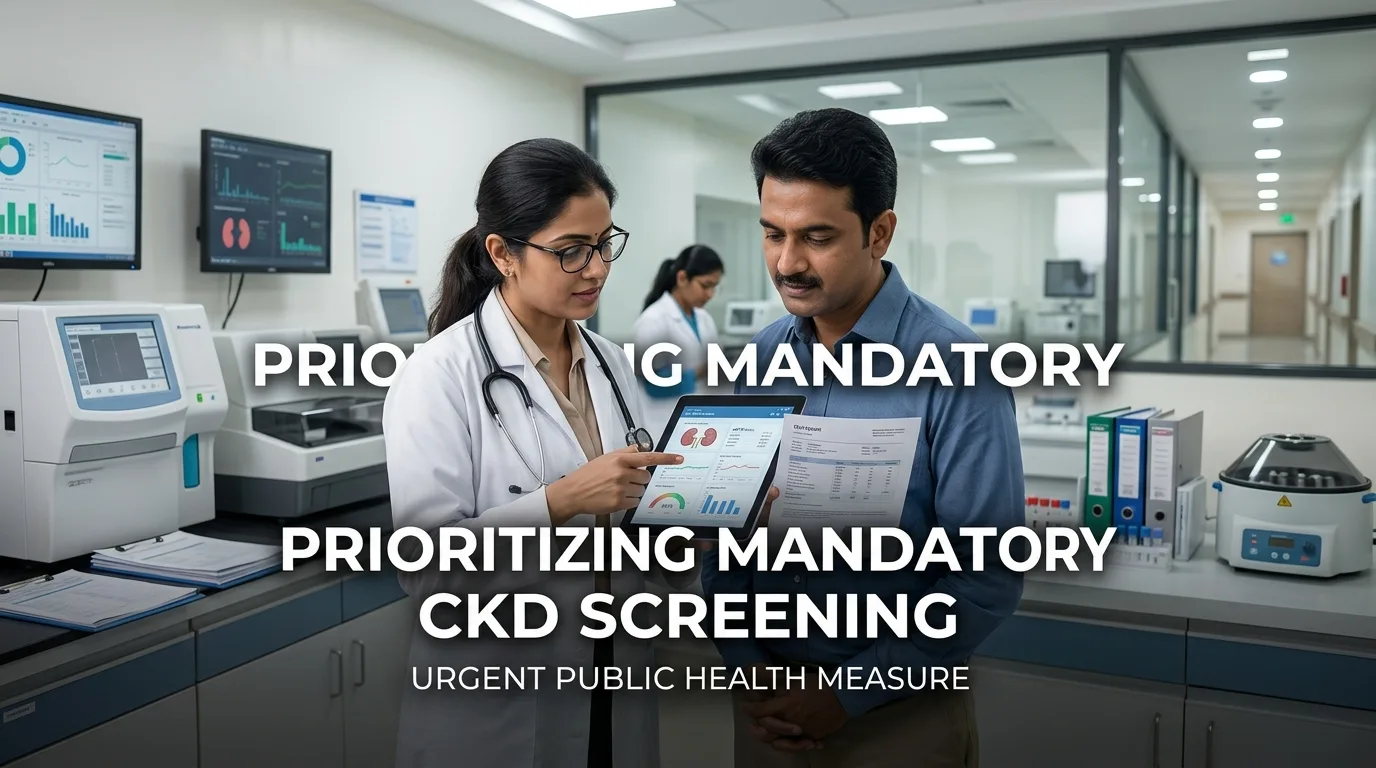
The Parliamentary Standing Committee on Health and Family Welfare has submitted its 177th report to Parliament, advocating a major shift in public health strategy. The panel recommends mandatory biannual kidney function tests for all adults aged 20 and above to strengthen chronic kidney disease screening across India.
Key Recommendations for Chronic Kidney Disease Screening
In its report, the committee highlights that early detection plays a pivotal role in halting disease progression. Consequently, the panel recommends that every serum creatinine test automatically include an estimated glomerular filtration rate calculation using the CKD-EPI equation. Furthermore, high-risk groups such as individuals with diabetes, hypertension, or a history of nephrotoxic drug exposure must undergo annual comprehensive evaluations.
Policy Implementation and Healthcare Integration
The committee advises providing biannual tests free of cost to below-poverty-line individuals and at nominal rates for others. Moreover, the panel recommends expanding post-transplant coverage under Ayushman Bharat PM-JAY to one year. This holistic framework aims to relieve the growing burden on dialysis infrastructure across the country.
Frequently Asked Questions
Q1: What is the main objective of the new recommendations?
The primary goal is to shift national policy from treating end-stage kidney failure to early detection and prevention of disease progression.
Q2: How will serum creatinine reporting change under these guidelines?
Diagnostic laboratories will automatically calculate and report estimated glomerular filtration rate (eGFR) using the CKD-EPI equation whenever serum creatinine is tested.
References
- Parliamentary panel recommends mandatory kidney tests for all aged 20 yrs andabove every 6 months – ETHealthworld
- Panel recommends annual screening, additional test for chronic kidney disease – The Hindu
Disclaimer: This article was automatically generated from publicly available sources and is provided for informational and educational purposes only. OC Academy does not exercise editorial control or claim authorship over this content. It is not a substitute for professional medical advice, diagnosis, or treatment. Always consult a qualified healthcare provider and refer to current local and national clinical guidelines.


