
Radiology

Can Habitat Imaging Unmask High-Risk Lung Cancers on CT?
Habitat imaging reveals high-risk histology in lung adenocarcinoma part-solid nodules on CT scans, providing superior accuracy over conventional metrics.

Pancreatic Cancer Restaging: Beyond RECIST 1.1 Limits
Explore pancreatic cancer restaging after systemic therapy. Discover how CT, FDG-PET, and CA19-9 improve resectability assessment beyond RECIST 1.1.
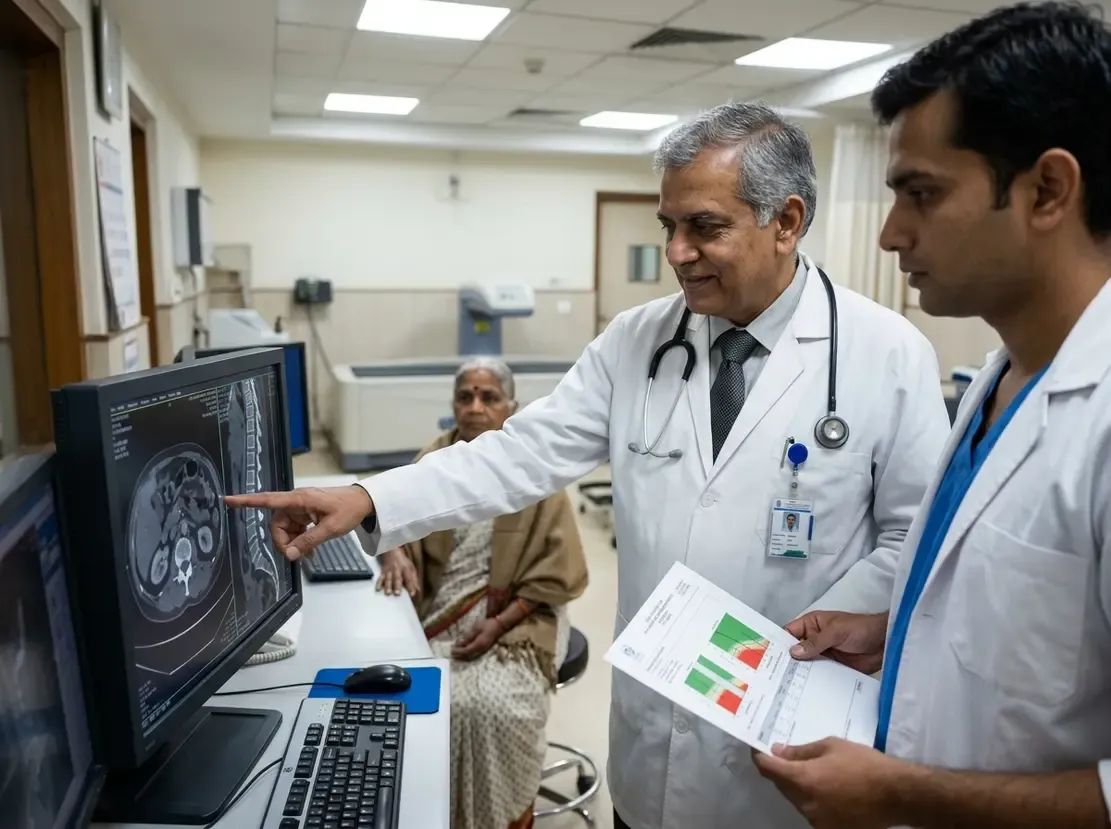
Silent Vertebral Fractures: Why Routine DXA Matters Now
Explore why silent vertebral compression fractures often evade detection on standard scans and how targeted DXA assessment transforms early patient care.
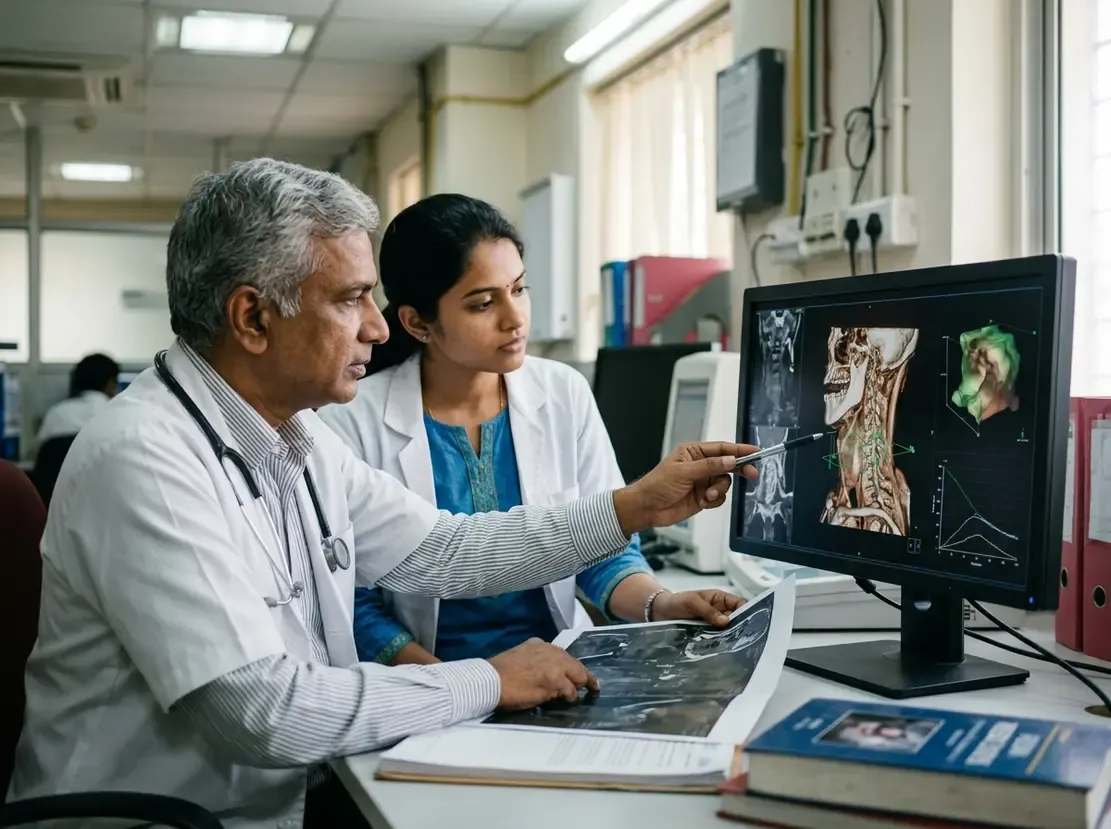
Can 3D MRI Morphometry Predict Severe Neck Infections?
Discover how neck abscess MRI morphometry outperforms 1D diameter to predict ICU admission and prolonged hospital stay in complex head and neck infections.
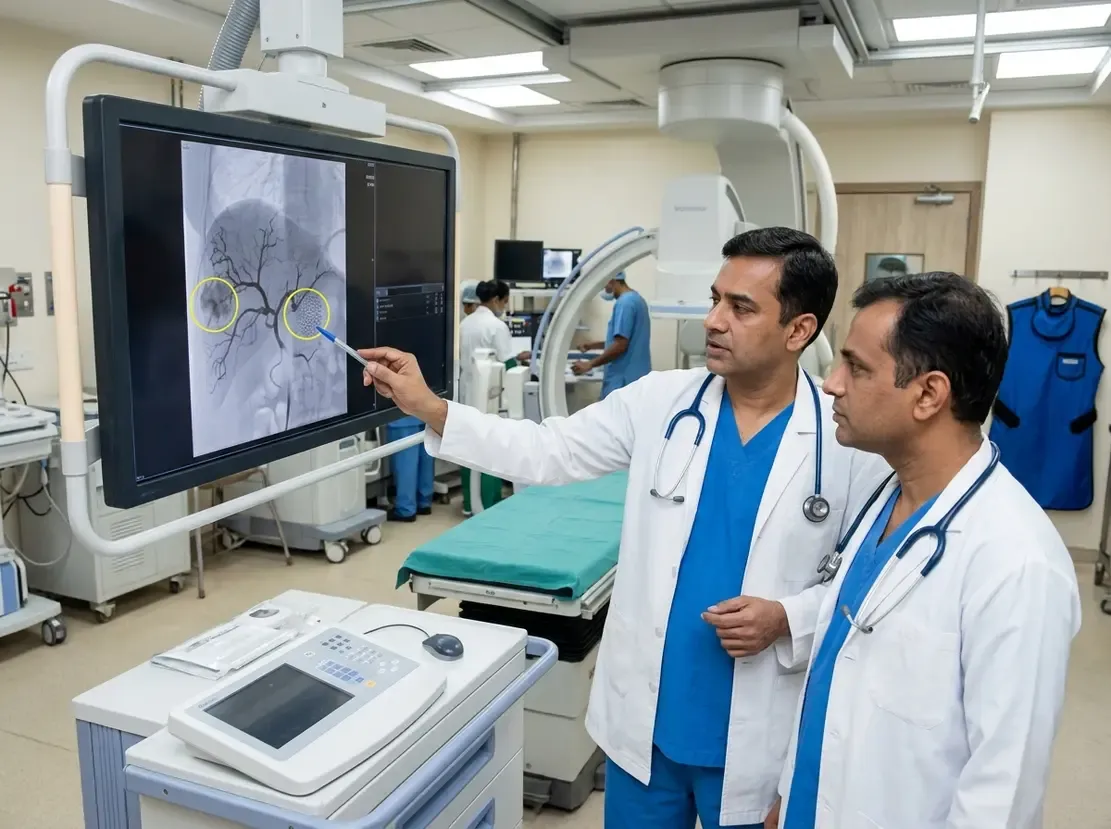
How Flow Modulation Shields Normal Liver in Y-90 Therapy
Discover how transient flow modulation with resorbable gelatin microspheres shields non-tumorous liver tissue during Y-90 radioembolization for liver cancer.
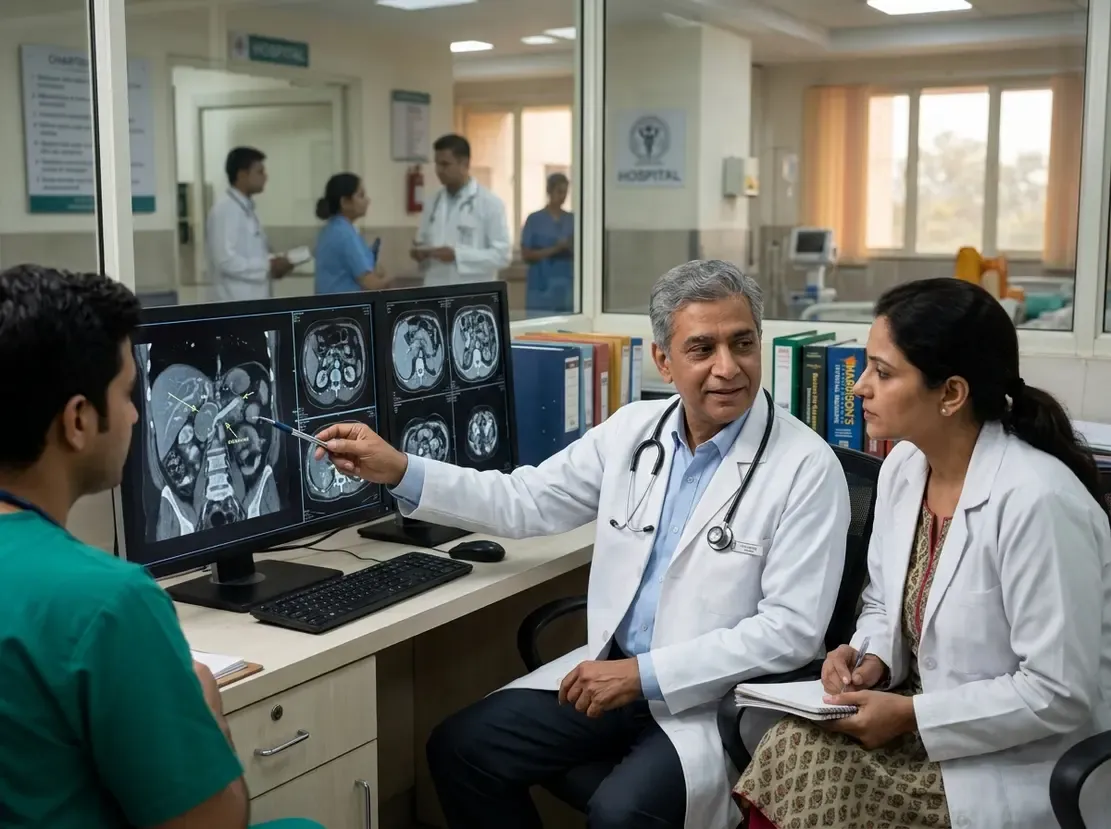
Adjusting Cutoffs to Optimize IPMN Surgical Decisions
Refining imaging cutoffs for mural nodules and duct dilation optimizes IPMN surgical indication accuracy, reducing unnecessary pancreatic resections.
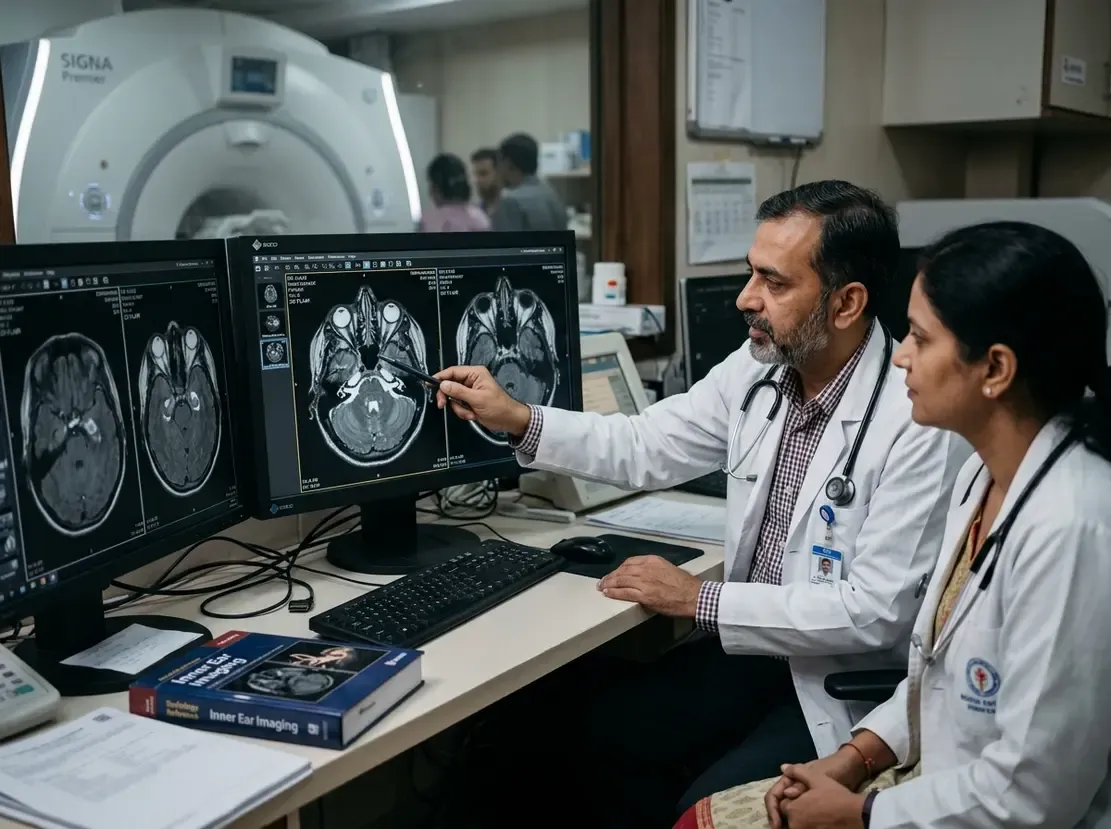
Non-Contrast MRI Shows Promise for Endolymphatic Hydrops
Discover how unenhanced endolymphatic hydrops MRI using 3D-FLAIR subtraction differentiates perilymph and endolymph without gadolinium.
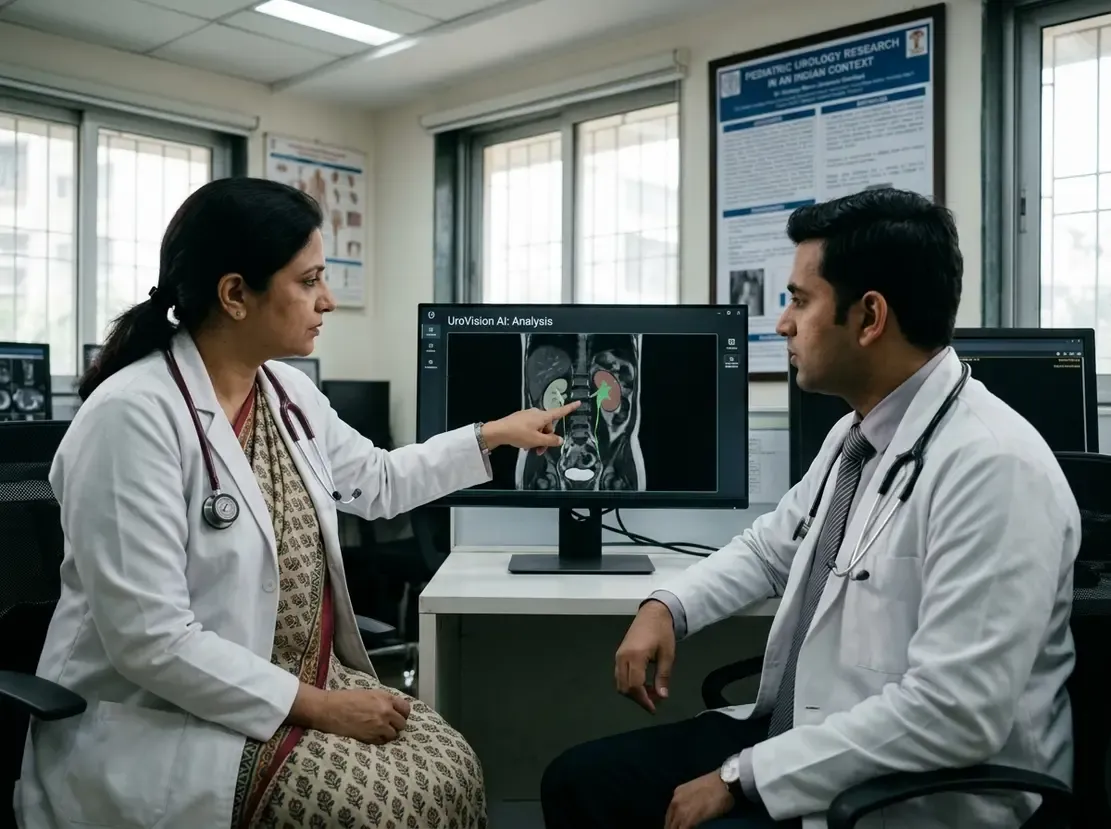
AI Transforms Pediatric Kidney Imaging: UroVision Study
UroVision, a novel AI software, automates functional MR urography in pediatric CAKUT, matching standard ImageJ MRU with high precision and reproducibility.
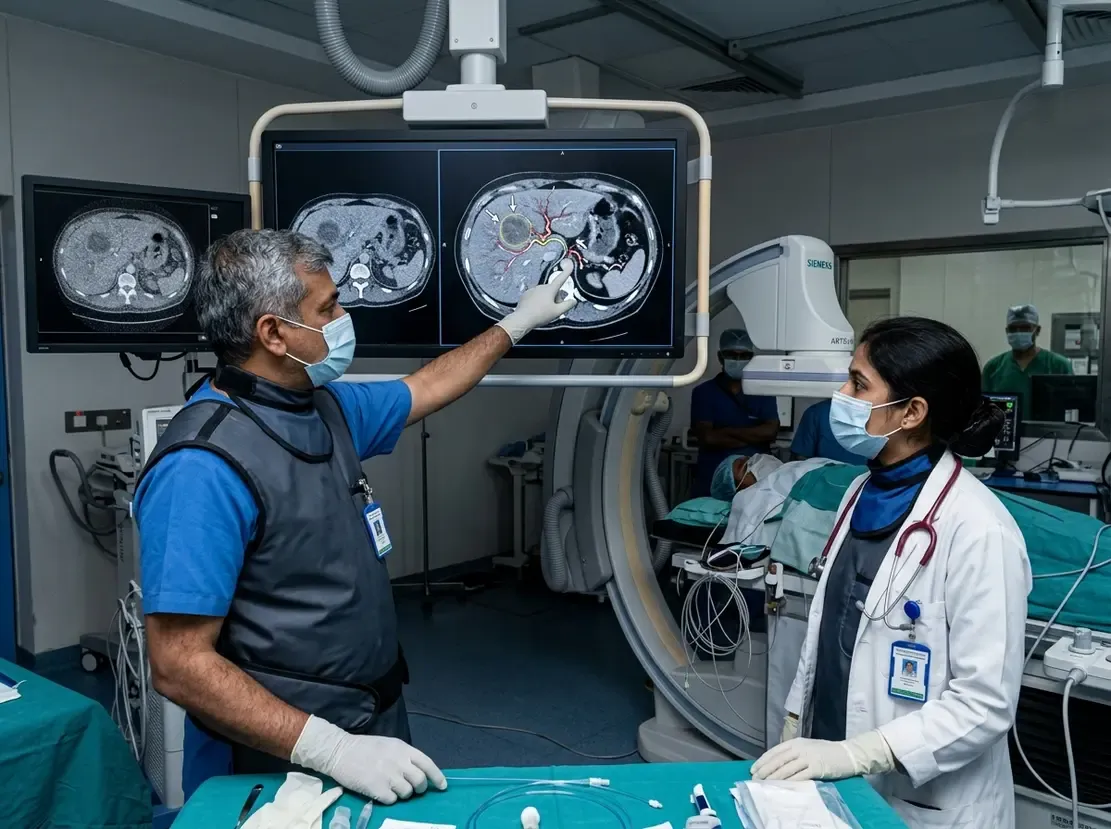
Angio-CT vs CBCT: Major Dose Drop in Liver Procedures
A study shows angio-CT radiation dose is significantly lower than cone-beam CT during intra-arterial liver embolization procedures in hybrid suites.

Spectral CT Accurately Rules Out Pancreatic Malignancies
Learn how spectral CT accurately distinguishes intrapancreatic accessory spleen from neoplasms to prevent unnecessary pancreatic surgery.

How to Screen Children for Cancer Predisposition Today
Discover updated screening protocols for cancer predisposition syndromes in children, focusing on radiation-free imaging and early tumor detection.
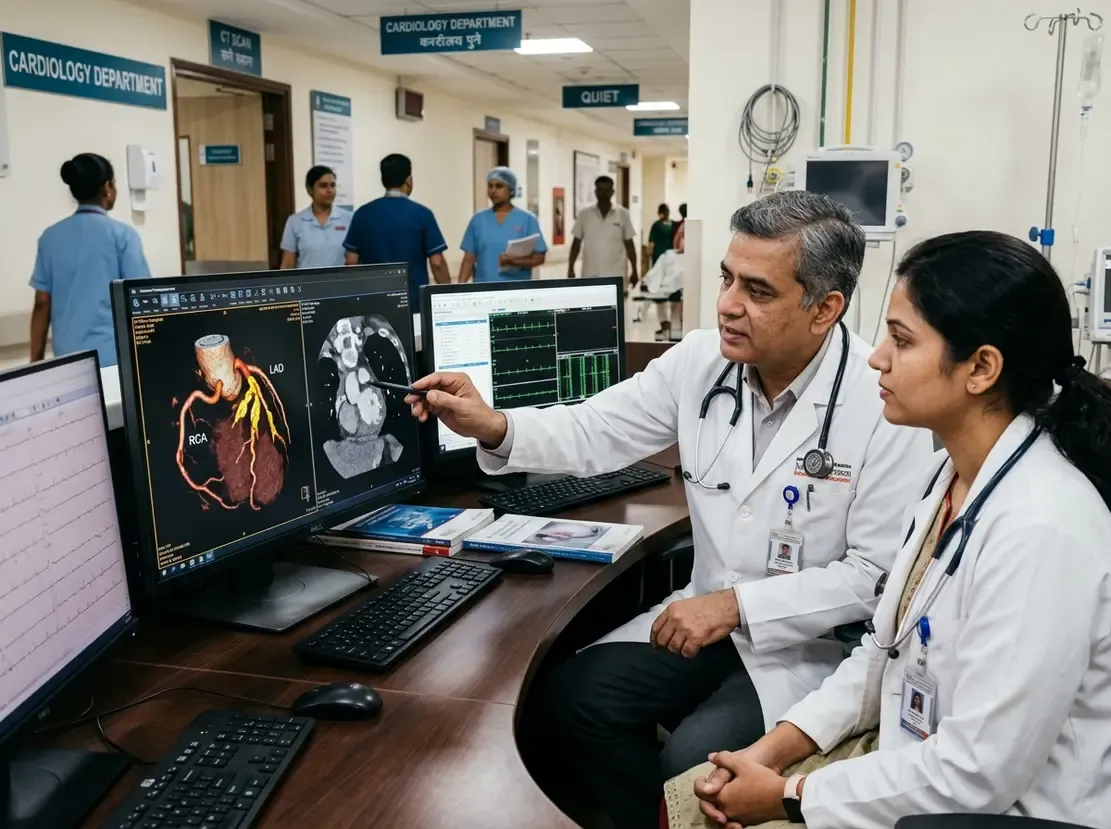
How ASCVD Imaging Biomarkers Revolutionize Heart Health
Discover how ASCVD imaging biomarkers improve risk stratification, guide preventive cardiology, and enable opportunistic subclinical plaque detection.

CT vs MRI: Choosing the Best Pancreatic Cancer Imaging
Discover how pancreatic cancer imaging guides surgery. Compare CT, MRI, and EUS performance for liver metastasis, resectability, and vascular invasion.
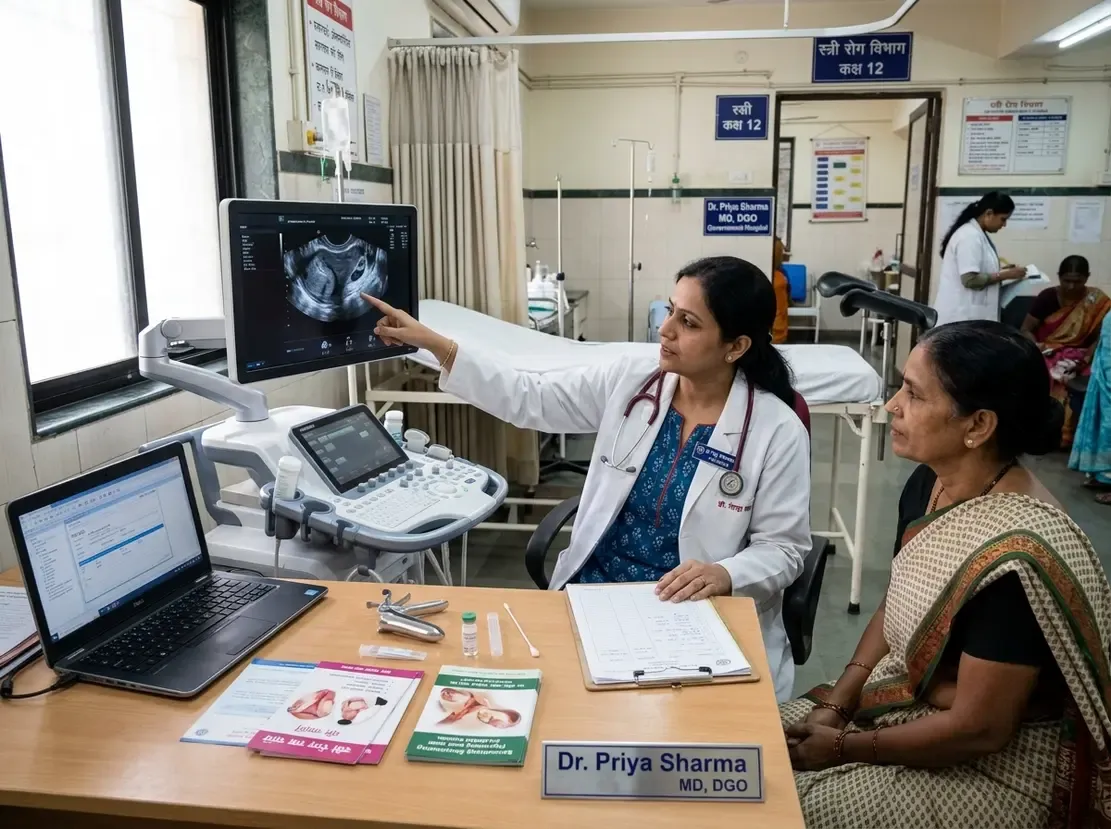
Modern Gynecologic Cancer Screening: A Complete Guide
Explore modern gynecologic cancer screening protocols for cervical, endometrial, and ovarian tumors, highlighting imaging and clinical care.

CT Colonography Screening: The Future of Colon Health?
Explore the role of CT colonography screening in detecting colorectal cancer, its clinical accuracy, selective polypectomy advantages, and current uptake.
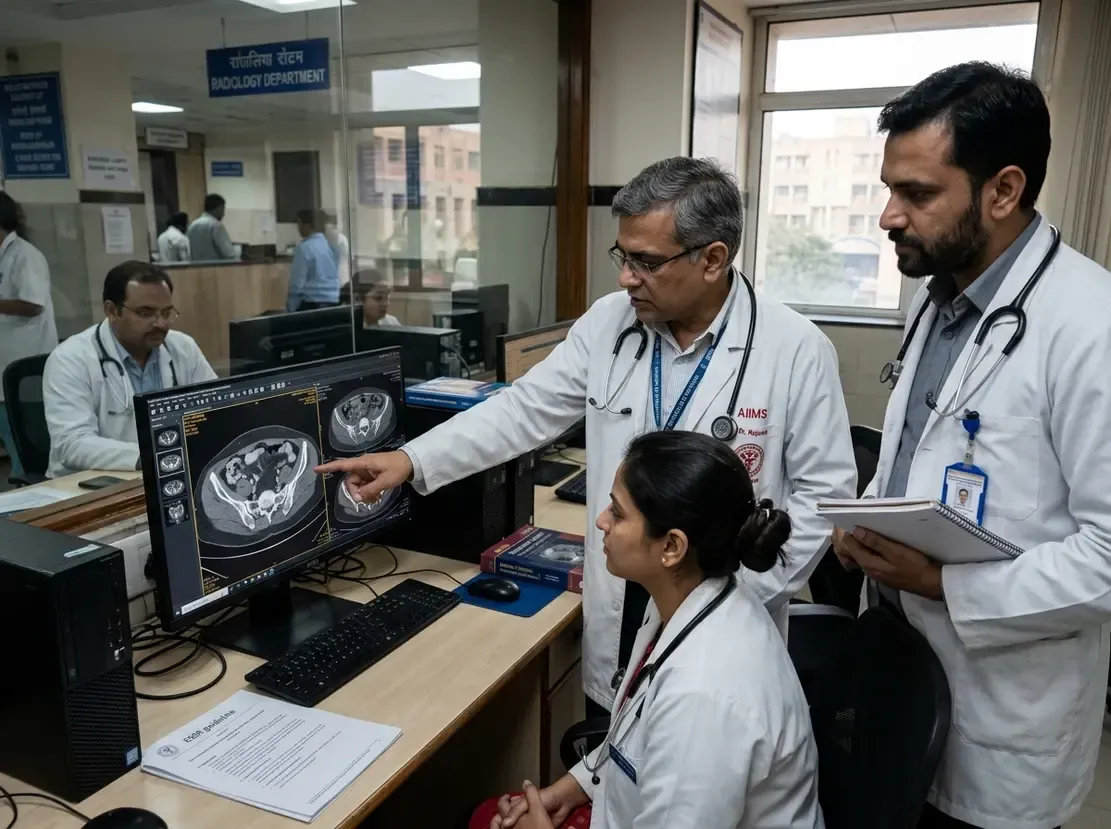
Standardizing Sacroiliac Joint CT Reporting in SpA
The ESSR Arthritis Subcommittee establishes consensus definitions for sacroiliac joint CT reporting to standardize spondyloarthritis diagnosis and care.
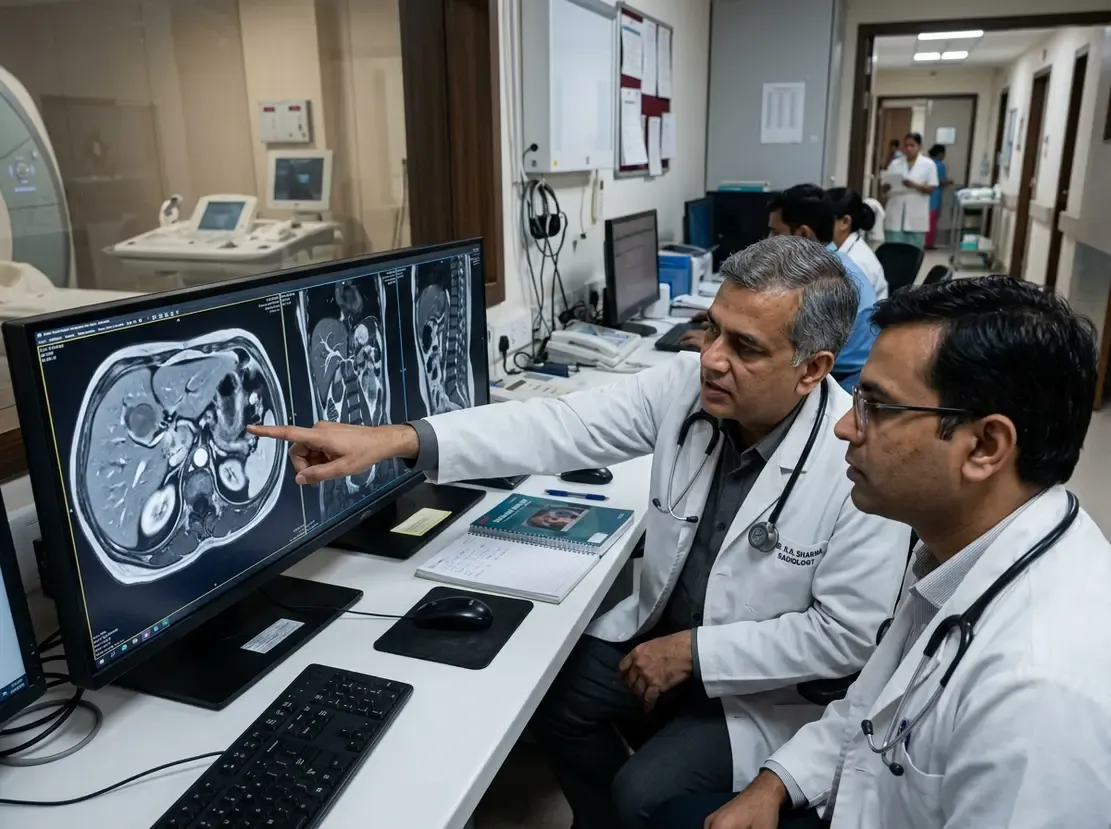
Can 5.0 T MRI Transform Upper Abdominal Diagnostics?
Learn how 5.0 T abdominal MRI compares with 1.5 T and 3.0 T systems in image quality, signal metrics, and diagnostic confidence in clinical practice.

CT-Guided Core Biopsy Proves Safe for Deep Neck Masses
CT-guided core biopsy delivers a 93.4% diagnostic yield for deep suprahyoid neck masses inaccessible by ultrasound, offering high safety and concordance.
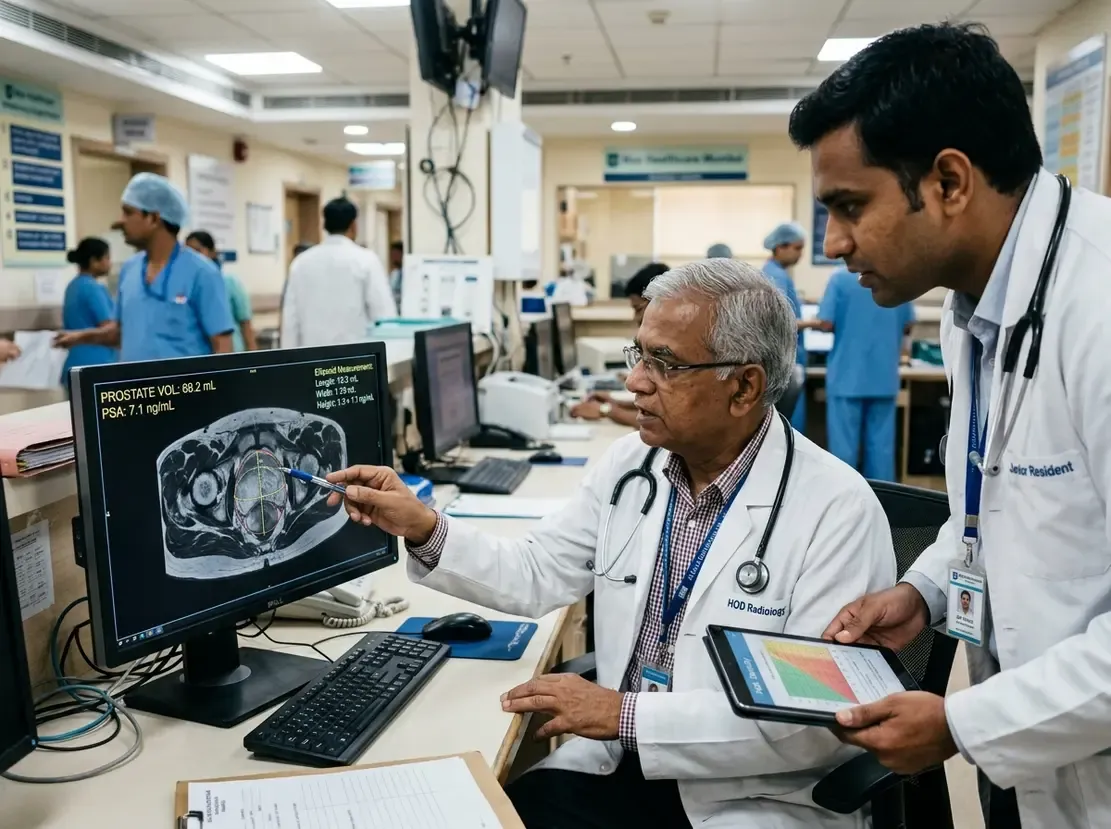
Is Ellipsoid Prostate Volume Reliable for PSA Density?
Discover why routine prostate volume assessment with the MRI ellipsoid formula remains accurate for PSA density, even when evaluating enlarged prostate glands.

Ultrasound vs Blind Injections for Carpal Tunnel Relief
Discover why ultrasound-guided carpal tunnel steroid injection provides superior functional recovery and fewer adverse events than landmark techniques.
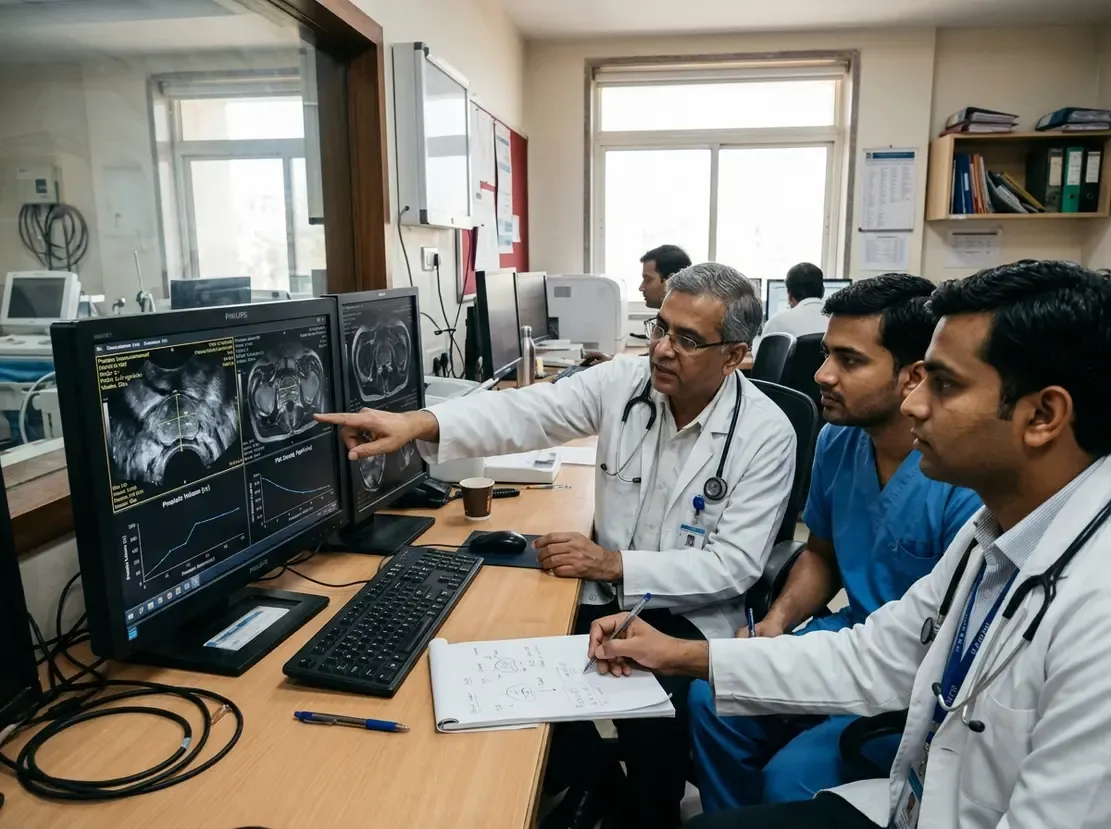
New Reference Values for PSA Density and Prostate Volume
Discover newly established PSA density reference values and prostate volume norms from healthy men to optimize prostate cancer risk assessment.
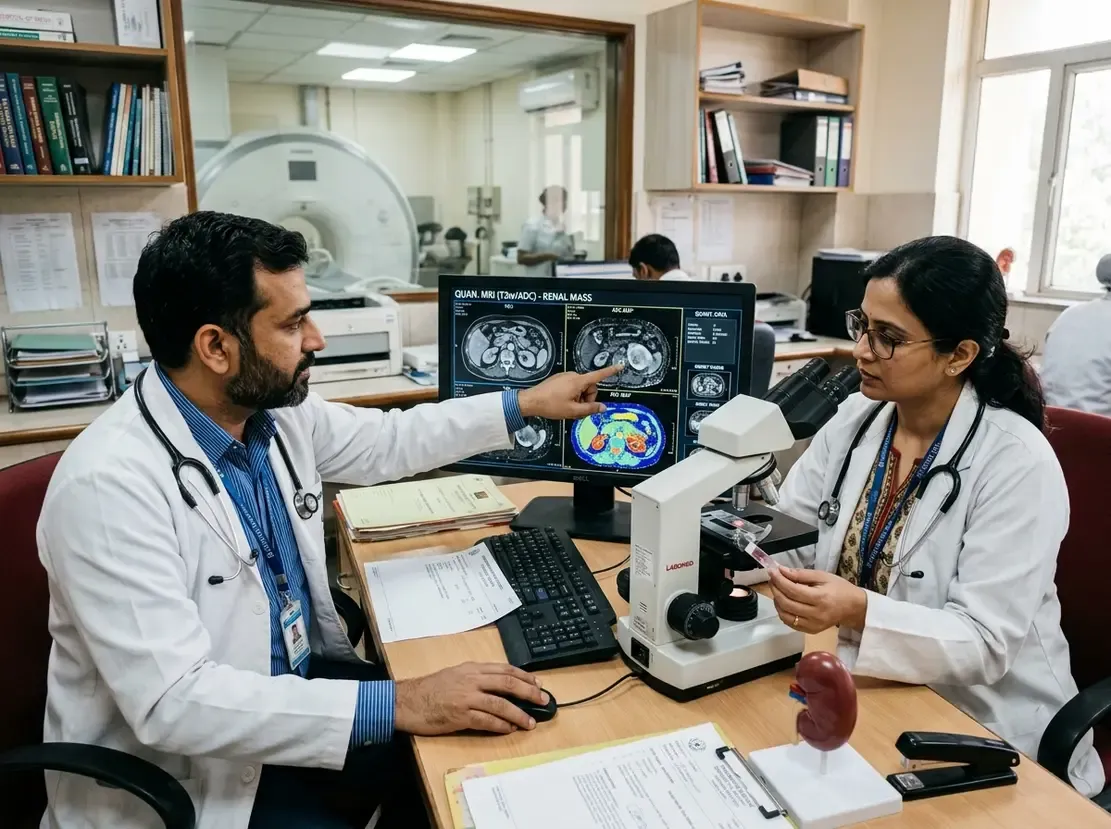
Can Quantitative MRI Replace Renal Mass Biopsy in RCC?
Explore whether quantitative MRI in RCC can predict WHO/ISUP tumor grade non-invasively, triage biopsies, and guide kidney cancer management decisions.
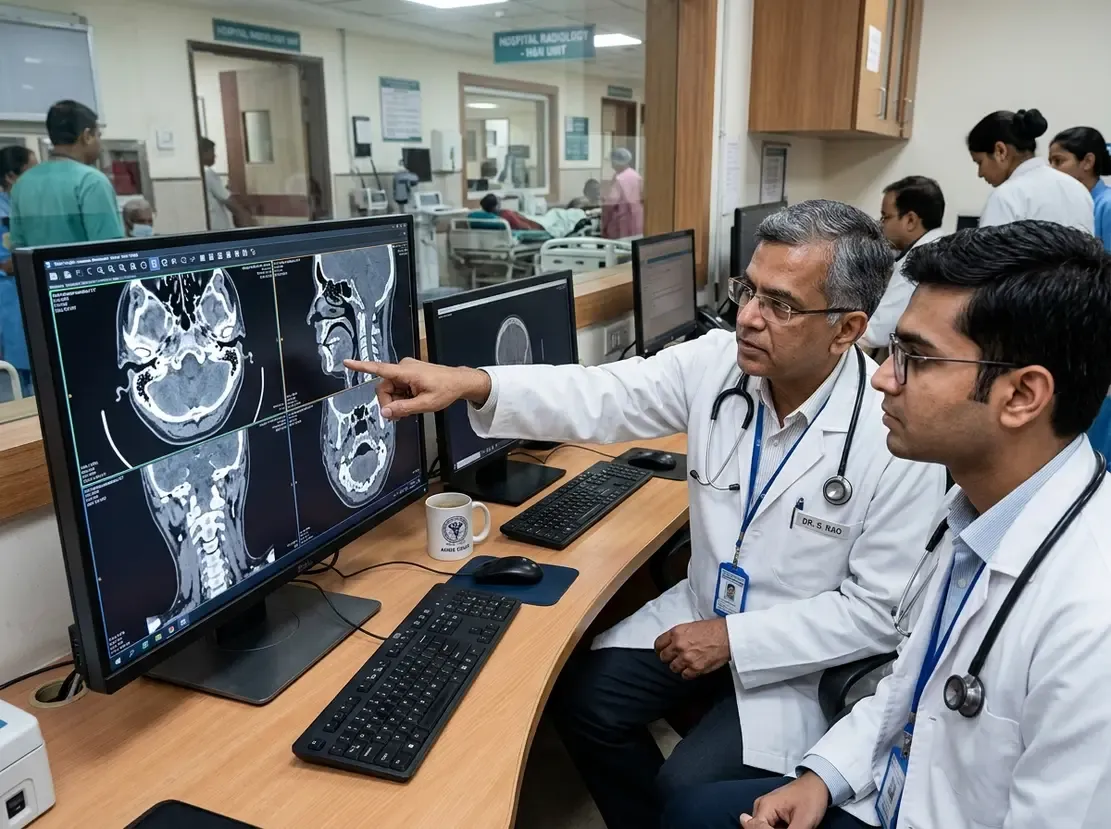
How Photon-Counting CT Is Transforming Head & Neck Scans
Discover how photon-counting CT improves head and neck radiology with ultra-high spatial resolution, lower radiation doses, and reduced metal artifacts.

Can Bone-RADS and OT-RADS Accurately Guide Pediatric MRI?
A recent validation study shows Bone-RADS and OT-RADS provide reliable, highly accurate MRI evaluation of solitary pediatric bone tumors.

Does Contrast Media Trigger Neonatal Acute Kidney Injury?
A study links iodinated contrast media to neonatal acute kidney injury in ICU infants. Learn the key risk factors and clinical implications.
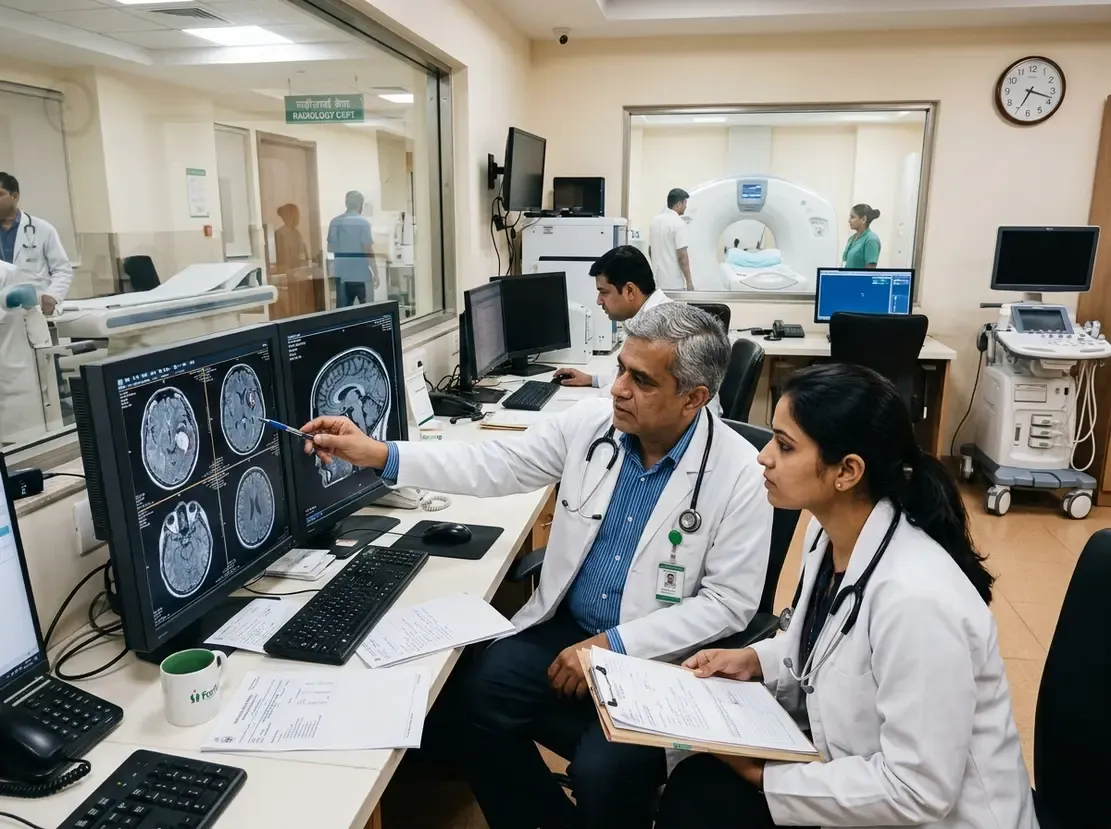
How Measuring Radiology Impact Transforms Patient Care
Explore how measuring radiology impact links diagnostic imaging to patient outcomes, high-value clinical care, and modernized digital health workflows.
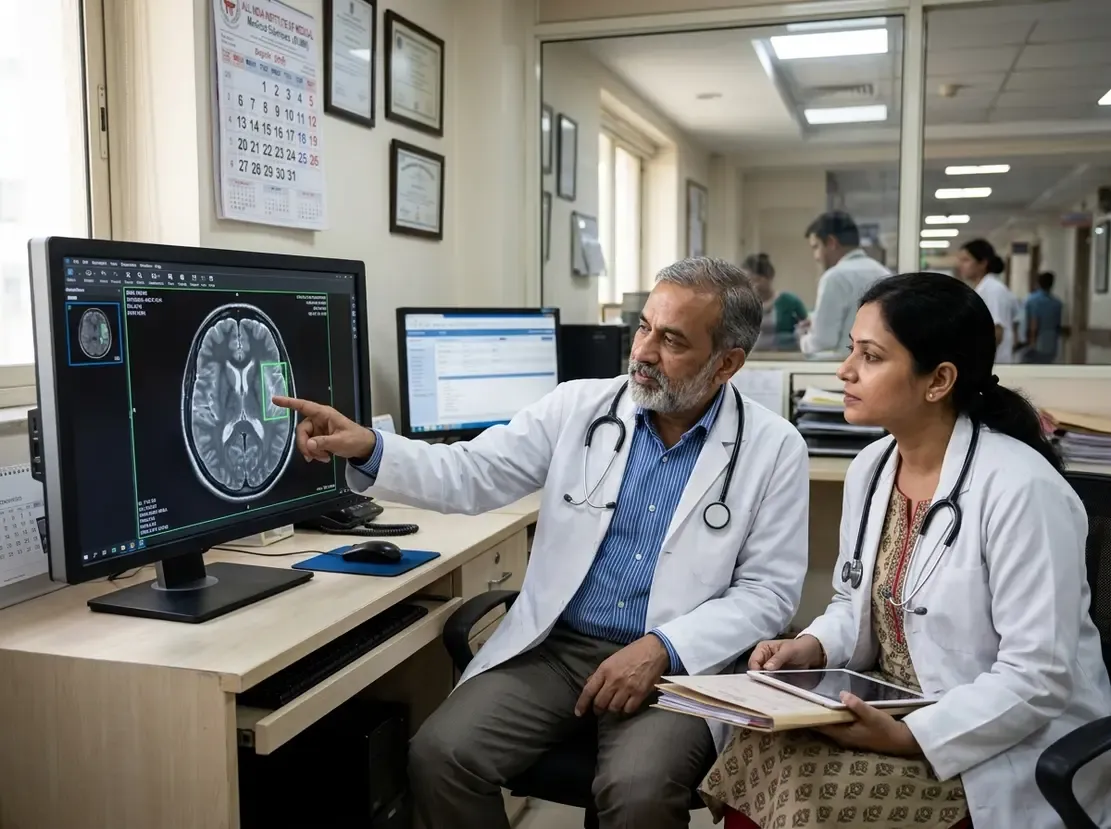
AI in ARIA Detection: Expert Safety Guide for Clinicians
Discover expert recommendations on AI-assisted ARIA detection on MRI for Alzheimer disease therapy to ensure patient safety and diagnostic precision.

How RV-PA Coupling Detects Heart Failure in Thalassemia
Discover how evaluating RV-PA coupling in thalassemia via cardiac MRI identifies early right ventricular dysfunction and enhances clinical risk assessment.
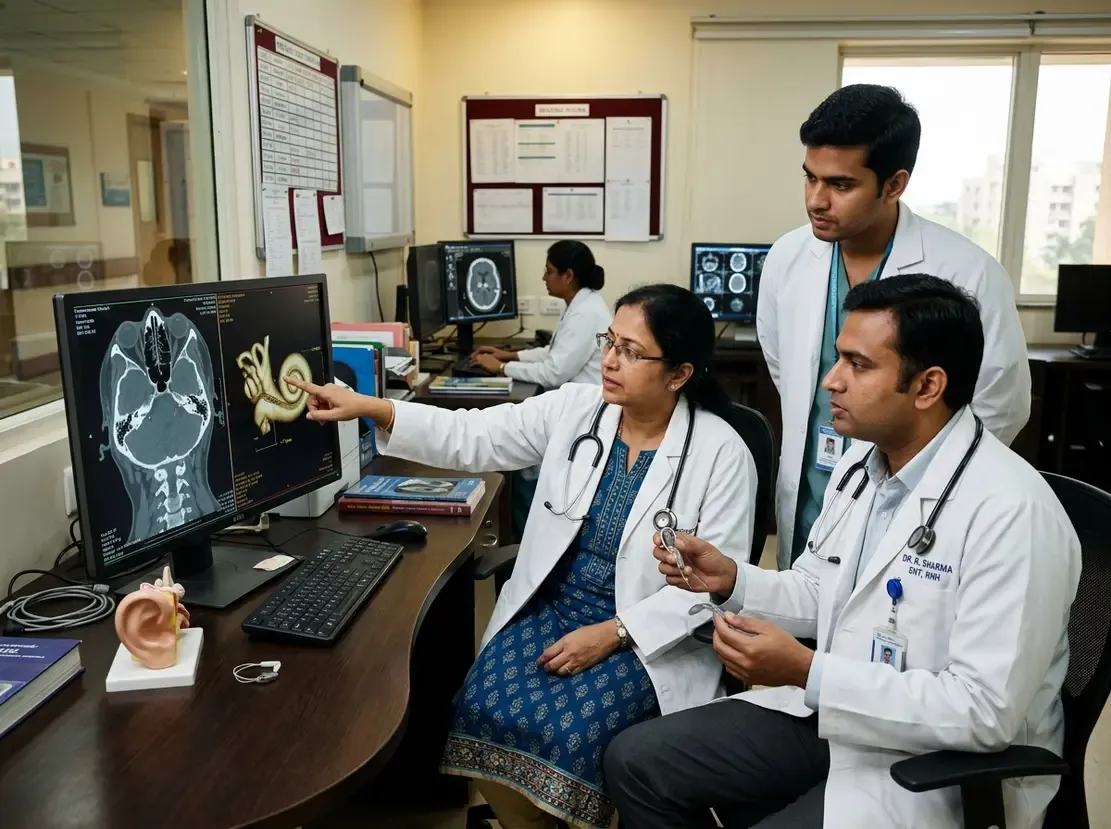
Can Routine Non-Head CT Scans Guide Cochlear Implants?
New research shows automatic cochlear morphometry using cervical spine, sinus, or carotid CT scans matches standard head CT while reducing radiation dose.
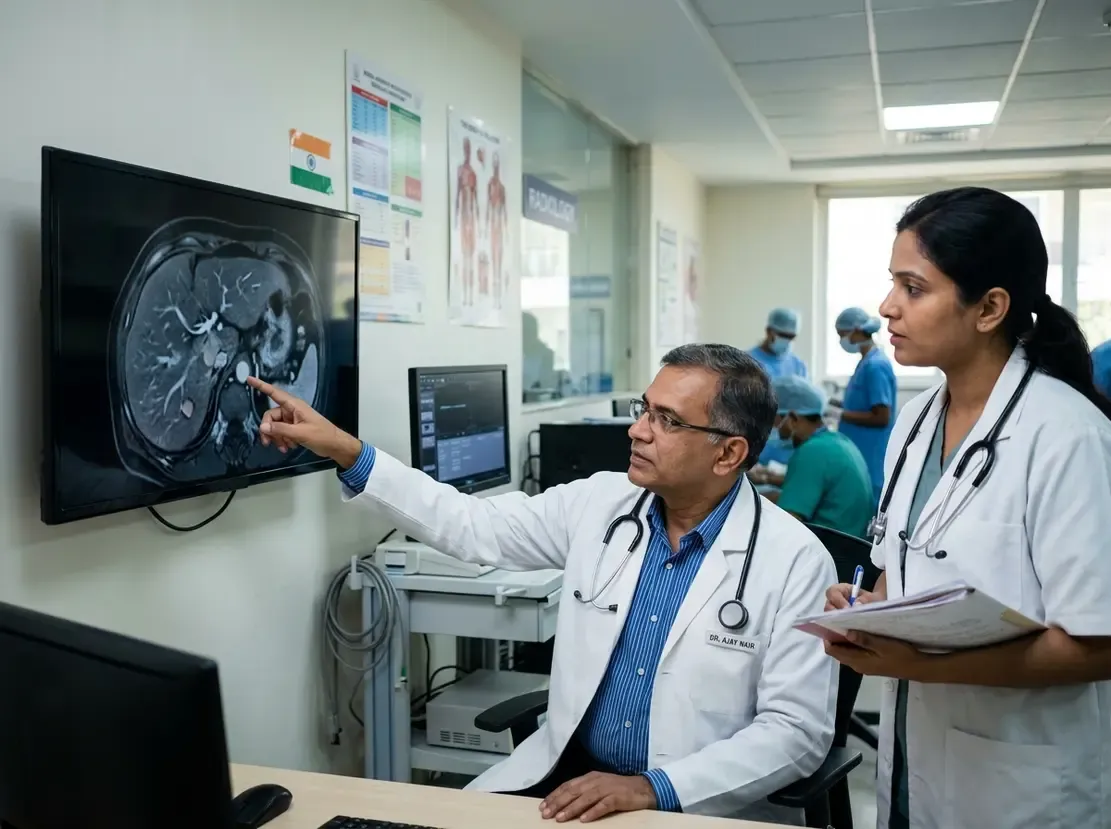
Can Liver MRI Predict Aggressive Small Tumor Recurrence?
Preoperative Gd-EOB-DTPA MRI identifies macrotrabecular-massive HCC and predicts 3-year recurrence in small tumors, guiding precision surgical management.
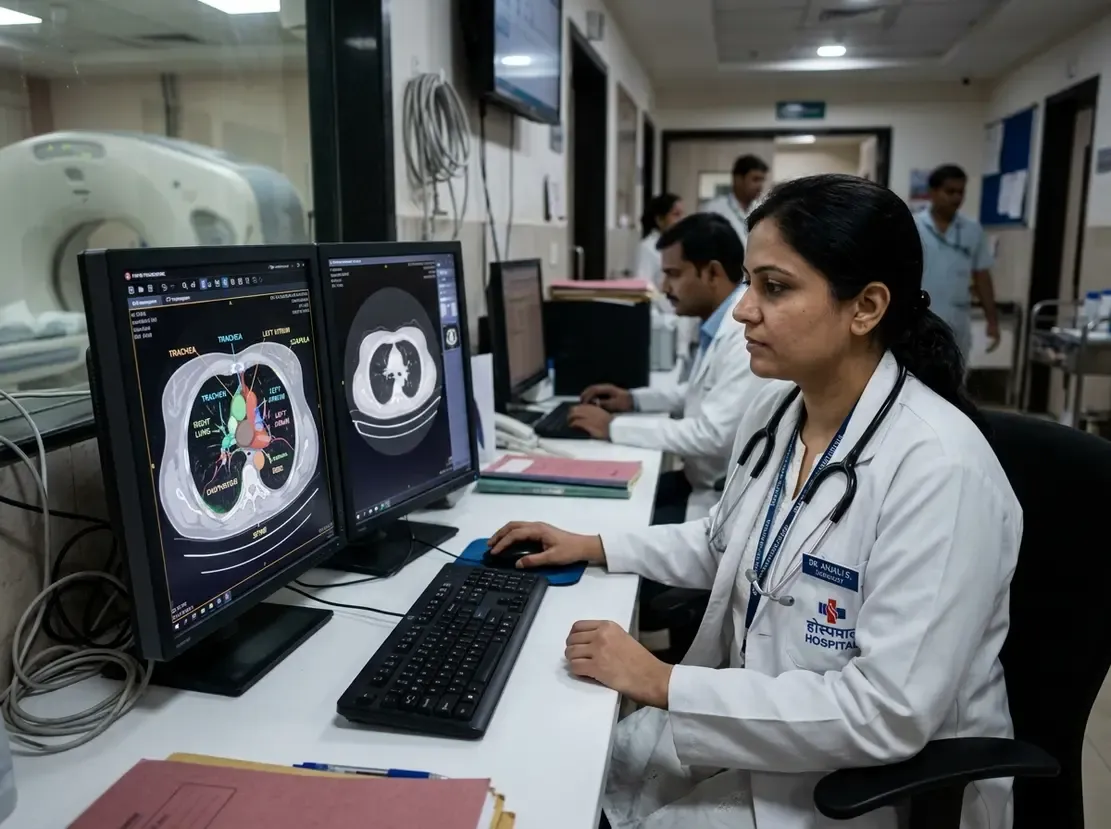
AI-Driven CT Anatomical Labelling Streamlines Imaging
Discover how the RAPID framework uses deep learning and CT topograms for automated CT anatomical labelling, eliminating reliance on messy DICOM metadata.

Ferumoxytol Improves Brachial Plexus MR Neurography
Discover how ferumoxytol enhances brachial plexus MR neurography by improving vascular suppression and nerve branch visualization in clinical practice.

Enhancing O-RADS MRI Accuracy with Intensity Curves
Discover how semi-quantitative intensity curves improve O-RADS MRI specificity and optimize surgical triage for complex adnexal masses.
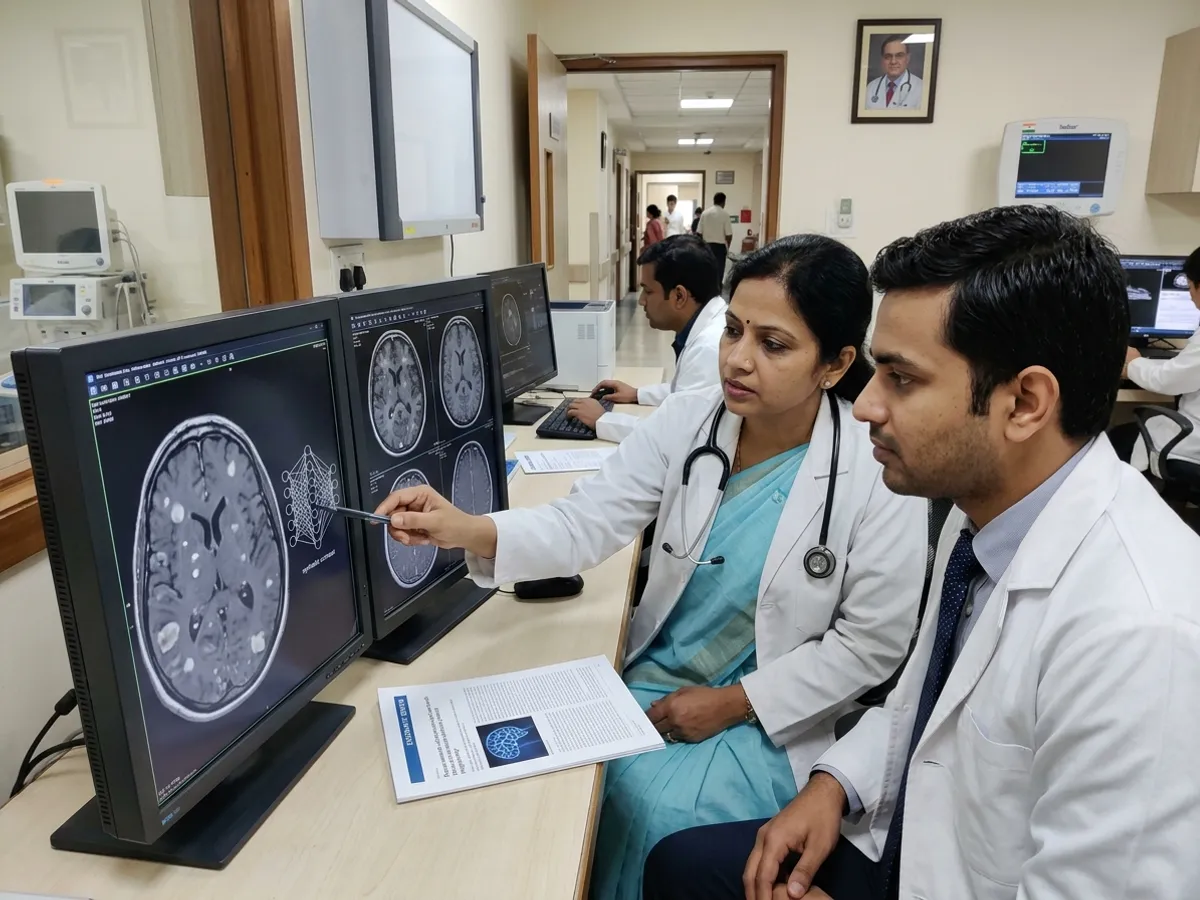
Can AI Replace Gadolinium Contrast in Routine Brain MRI?
Explore a systematic review on synthetic postcontrast MRI. Learn how deep learning models perform in brain tumor imaging and the hurdles to clinical use.
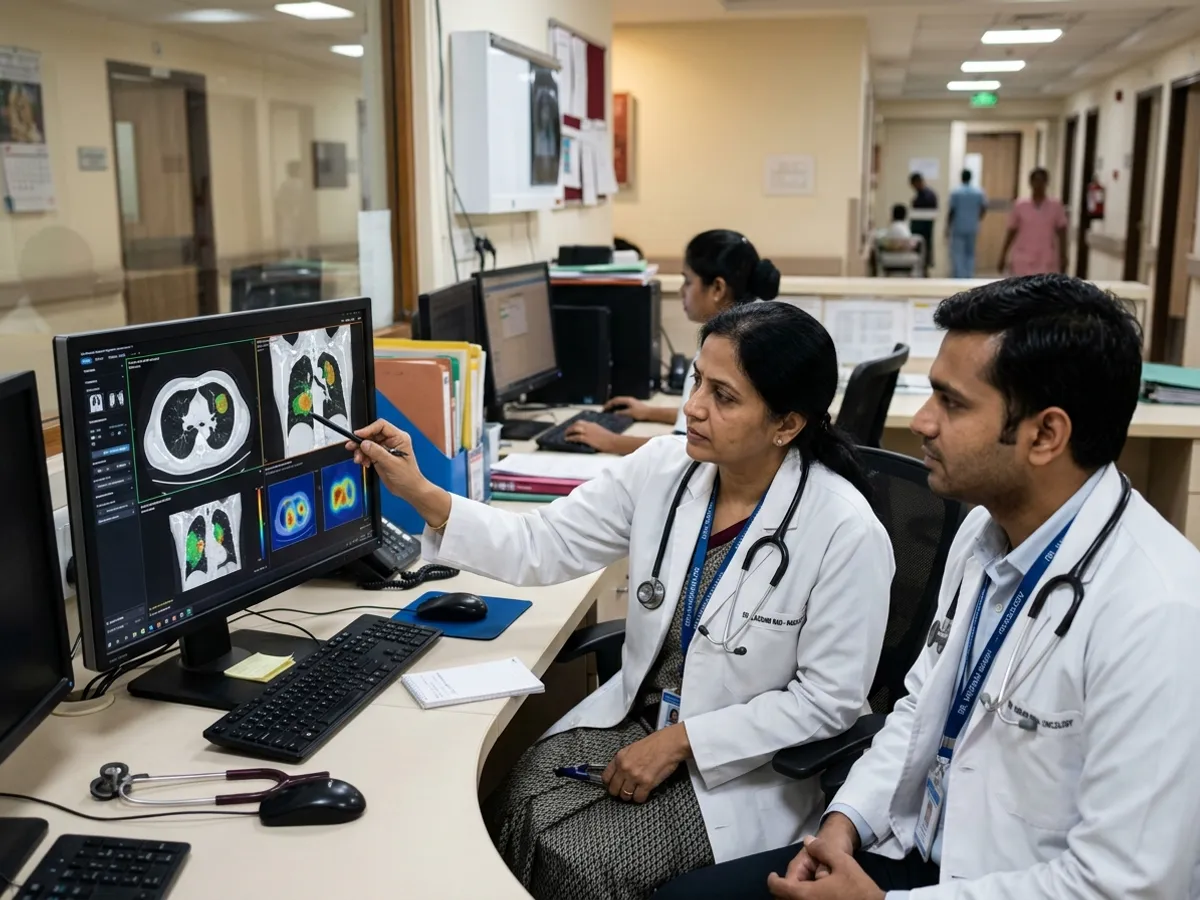
Explainable AI Framework to Bridge the Clinical Trust Gap
Learn how a new framework for explainable AI in medical imaging builds clinician trust through technical robustness, user adaptation, and task alignment.
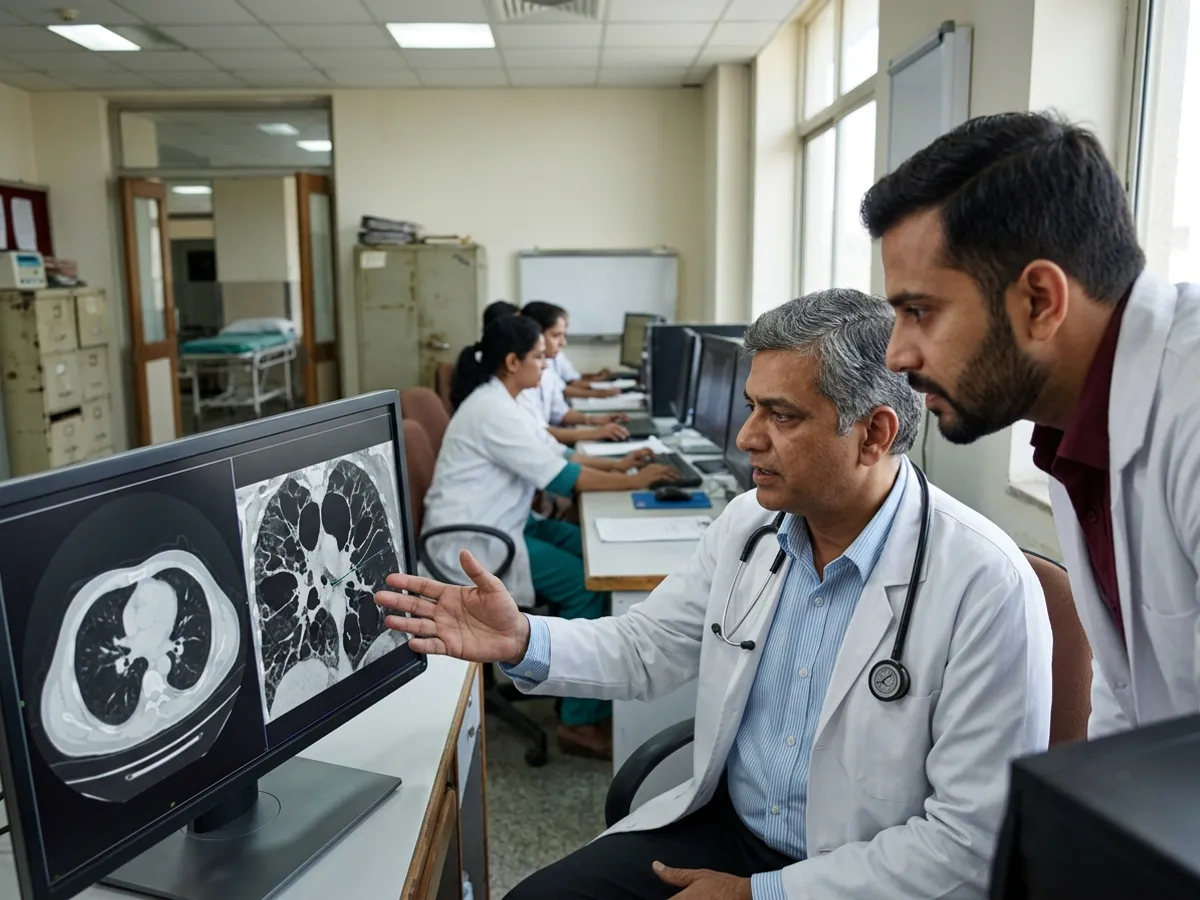
Micro-CT Uncovers Underdiagnosed Emphysema in Early COPD
Micro-CT reveals underdiagnosed emphysema missed by clinical CT scans, emphasizing automated mean linear intercept quantification in COPD.
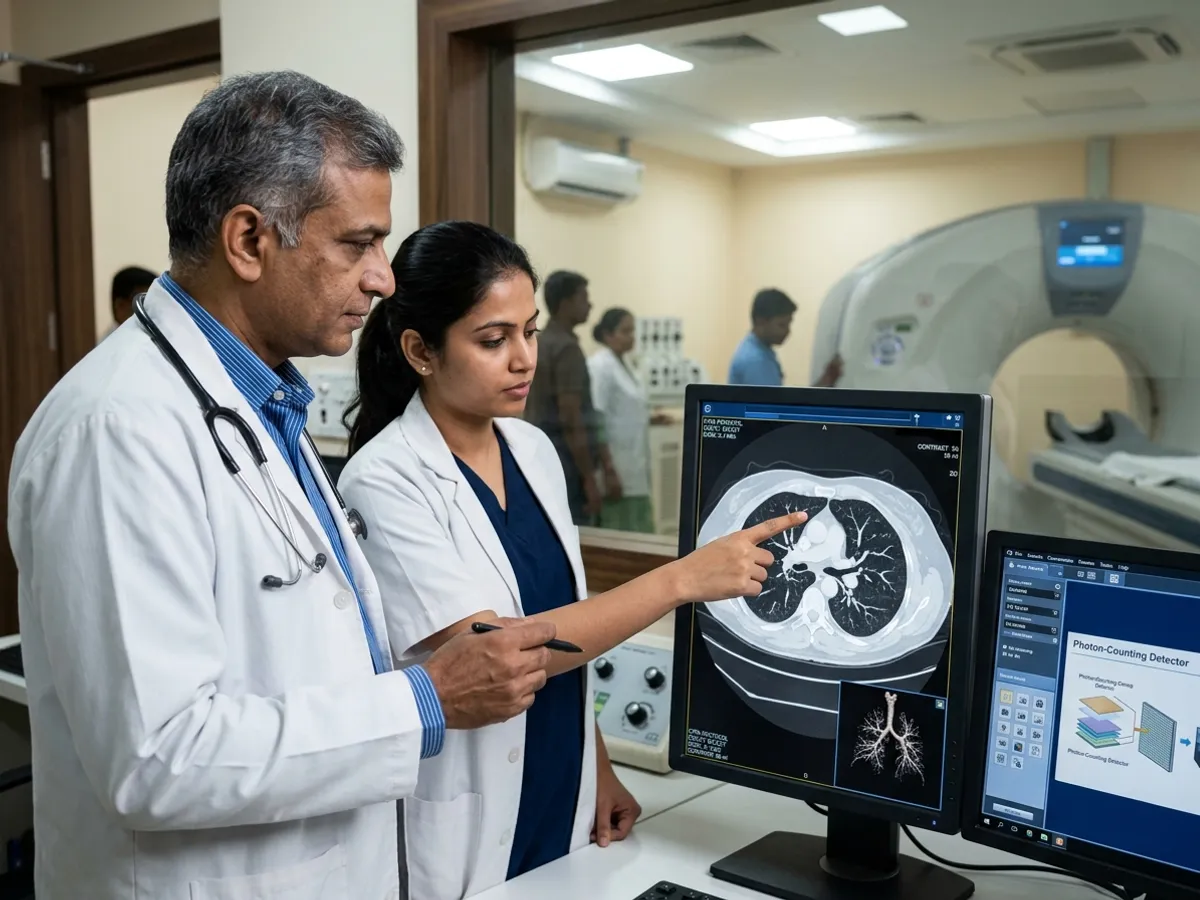
Photon-Counting CTPA: Lower Radiation and Contrast Dose
Discover how photon-counting detector CT enhances CT pulmonary angiography with lower radiation, reduced contrast load, and superior diagnostic image quality.

DCE-MRI Predicts Early Pancreatic Cancer Therapy Success
Discover how quantitative DCE-MRI with phantom correction achieves 98% accuracy in predicting early chemotherapy response in pancreatic cancer.

Pulsed Electric Field Ablation Safety for Liver Tumors
Pulsed electric field ablation offers a safe profile for high-risk liver cancer, showing low complication rates across a 10-year multicenter study.
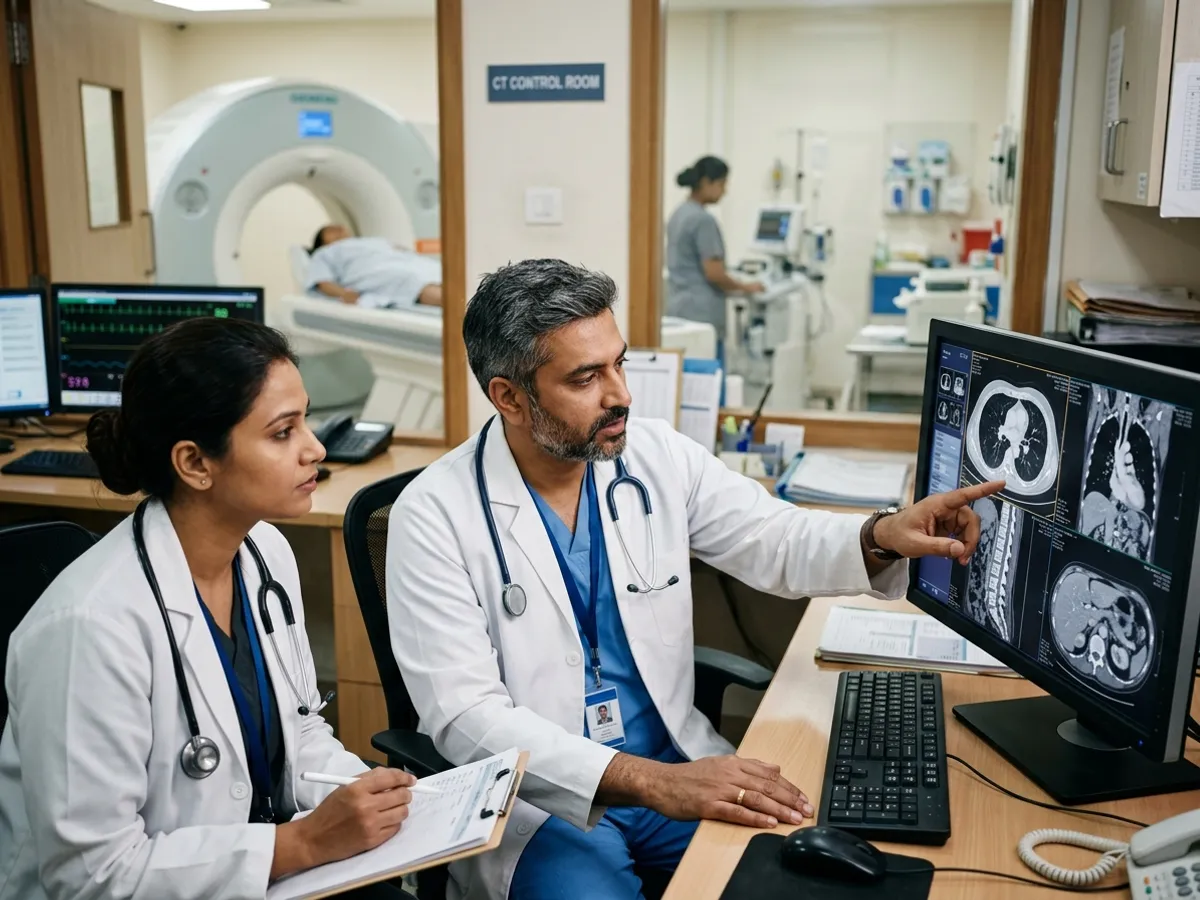
Next-Gen Dual Wide-Coverage CT: A Leap in Imaging Tech
Discover how a novel dual wide-coverage CT system with twin 16-cm detectors reduces cross-scatter artifacts while preserving spatial resolution and speed.

RaFiST: AI Radiomics Accurately Stratifies Lung Cancer
Discover how RaFiST uses CT radiomics to evaluate tumor fibrosis in NSCLC non-invasively, offering critical insights into patient survival and outcomes.

Can Sinus Dominance Predict Venous Stenting Success?
Transverse sinus dominance on MRV predicts clinical outcomes after venous sinus stenting for pulsatile tinnitus, guiding pre-procedural risk assessment.

Noncontrast Abbreviated MRI Enhances HCC Surveillance
Discover how noncontrast abbreviated MRI offers superior visualization and early-stage HCC detection for cirrhotic patients with poor ultrasound windows.
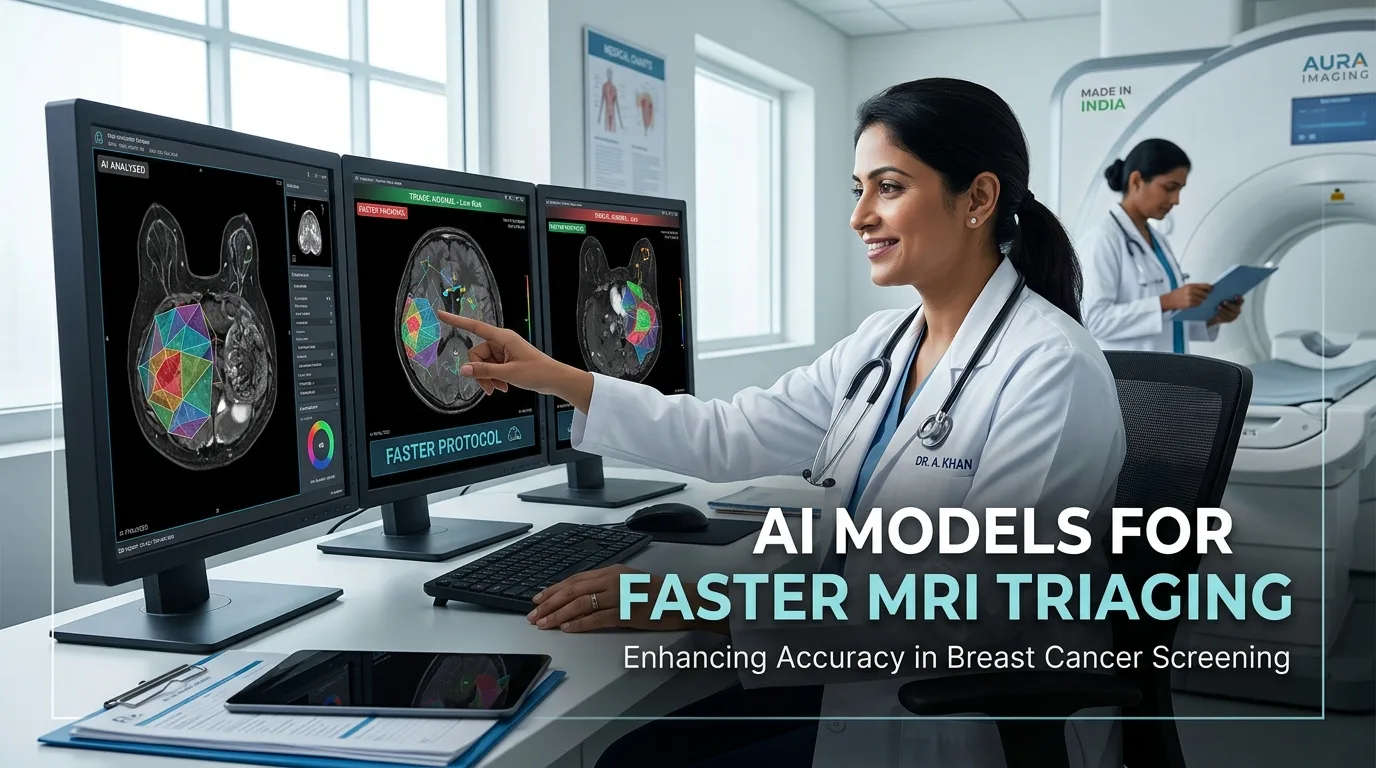
AI Foundation Models for Faster Breast MRI Triaging
Explore how AI foundation models enhance breast MRI triaging across abbreviated protocols, ruling out normal scans while preserving high diagnostic accuracy.
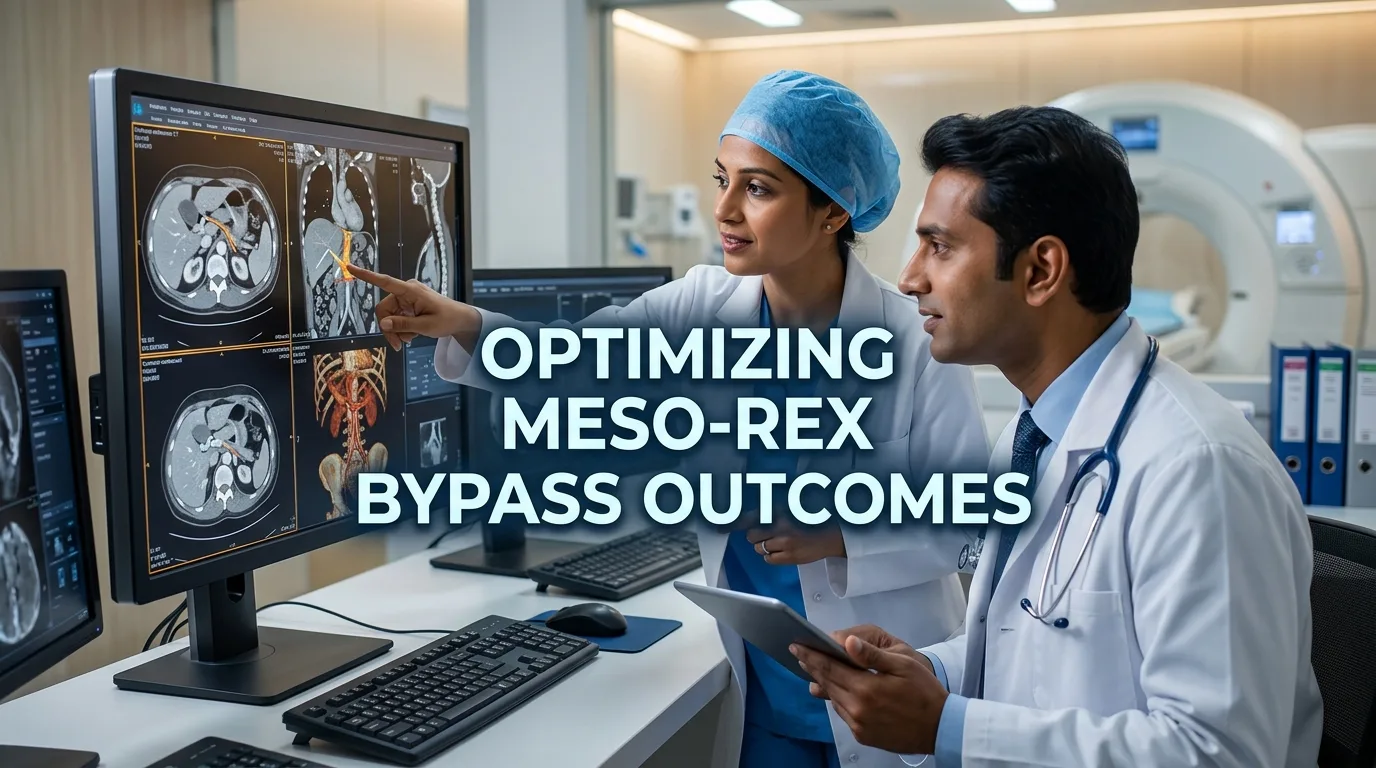
Optimizing Meso-Rex Bypass Outcomes in Pediatric EHPVO
Learn key predictors for 1-year Meso-Rex bypass surgery success in pediatric EHPVO, including anastomotic angles, graft selection, and imaging metrics.

How AI Assistance Alters Routine Mammography Outcomes
Mammography AI assistance improves cancer detection rates in routine clinical practice without increasing radiologist reading time during mammograms.
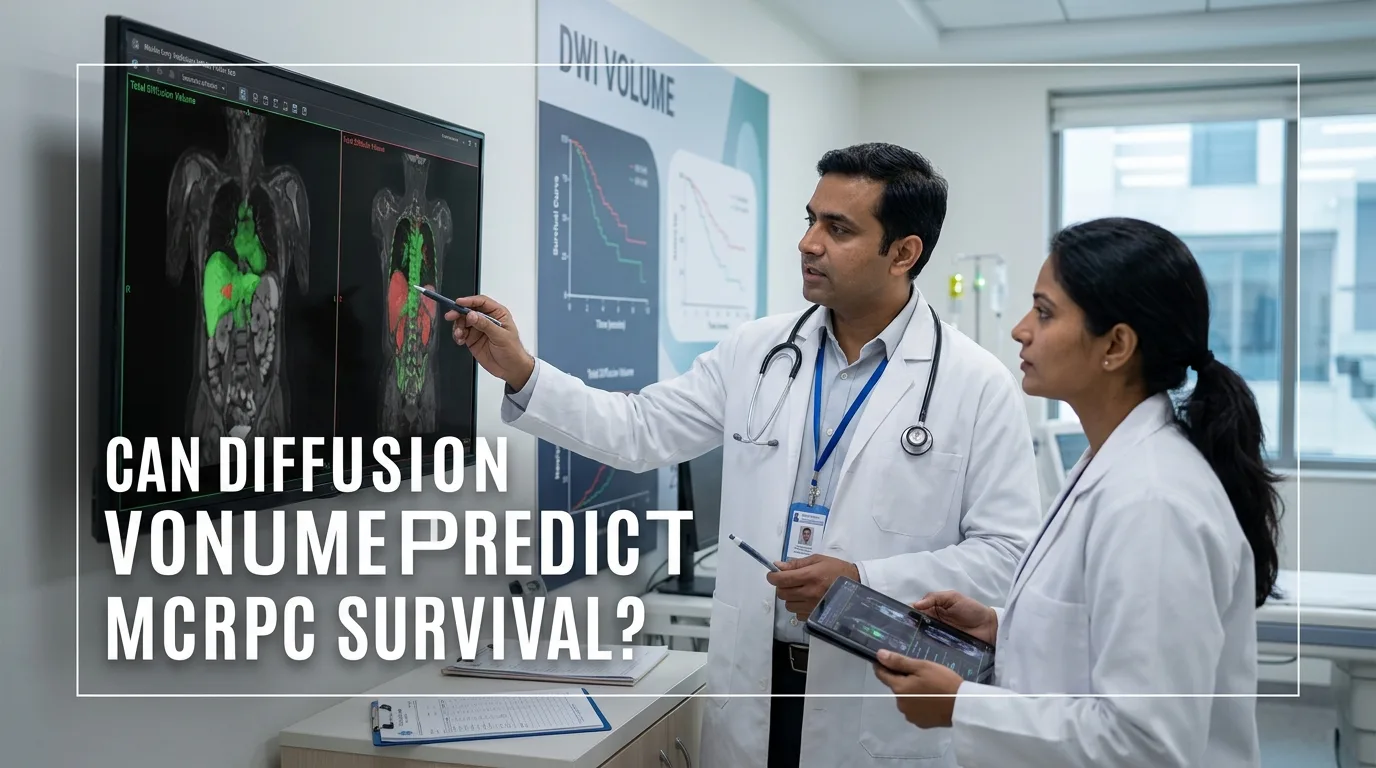
Can Total Diffusion Volume Predict Survival in mCRPC?
Total diffusion volume on whole-body DWI acts as an independent prognostic marker for overall survival in metastatic castration-resistant prostate cancer.
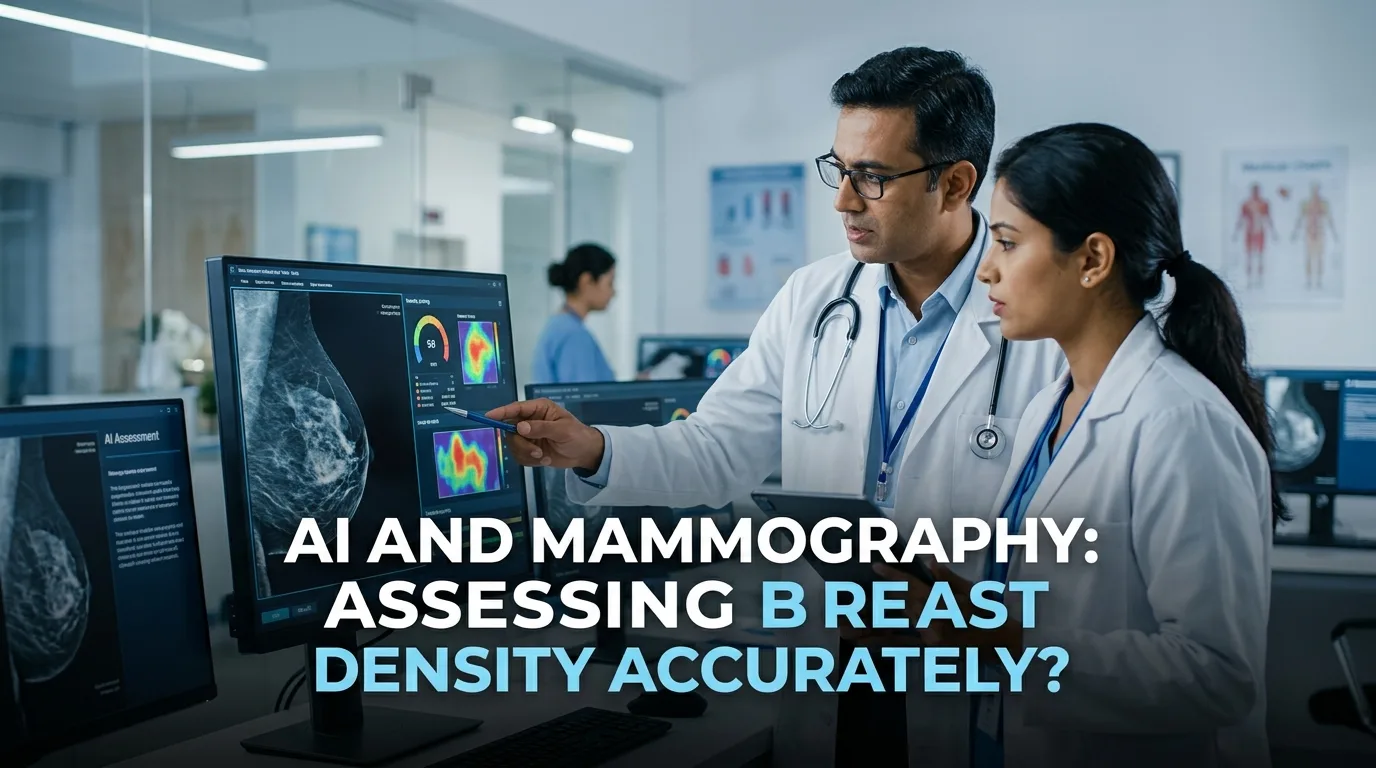
Can AI Accurately Assess Mammographic Breast Density?
Automated breast density assessment with AI aids cancer screening, but vendor differences require careful review before clinical adoption.

Longitudinal DBT AI Improves 5-Year Breast Cancer Risk
Discover how longitudinal digital breast tomosynthesis improves 5-year breast cancer risk prediction compared to traditional clinical and AI models.

Imaging CSF Shunts: Detecting Malfunctions & Complications
Explore imaging manifestations of CSF shunt complications, shunt failure rates, and diagnostic strategies for hydrocephalus in clinical practice.